To assess 18 selected over-the-counter skin products marketed online for undeclared pharmacologically active ingredients (UPAIs).
Approach:
Product selection: Products met prespecified criteria involving claims for persistent or inflammatory skin conditions, absence of listed clinically proven ingredients, consumer engagement, or prior UPAI-related indicators.
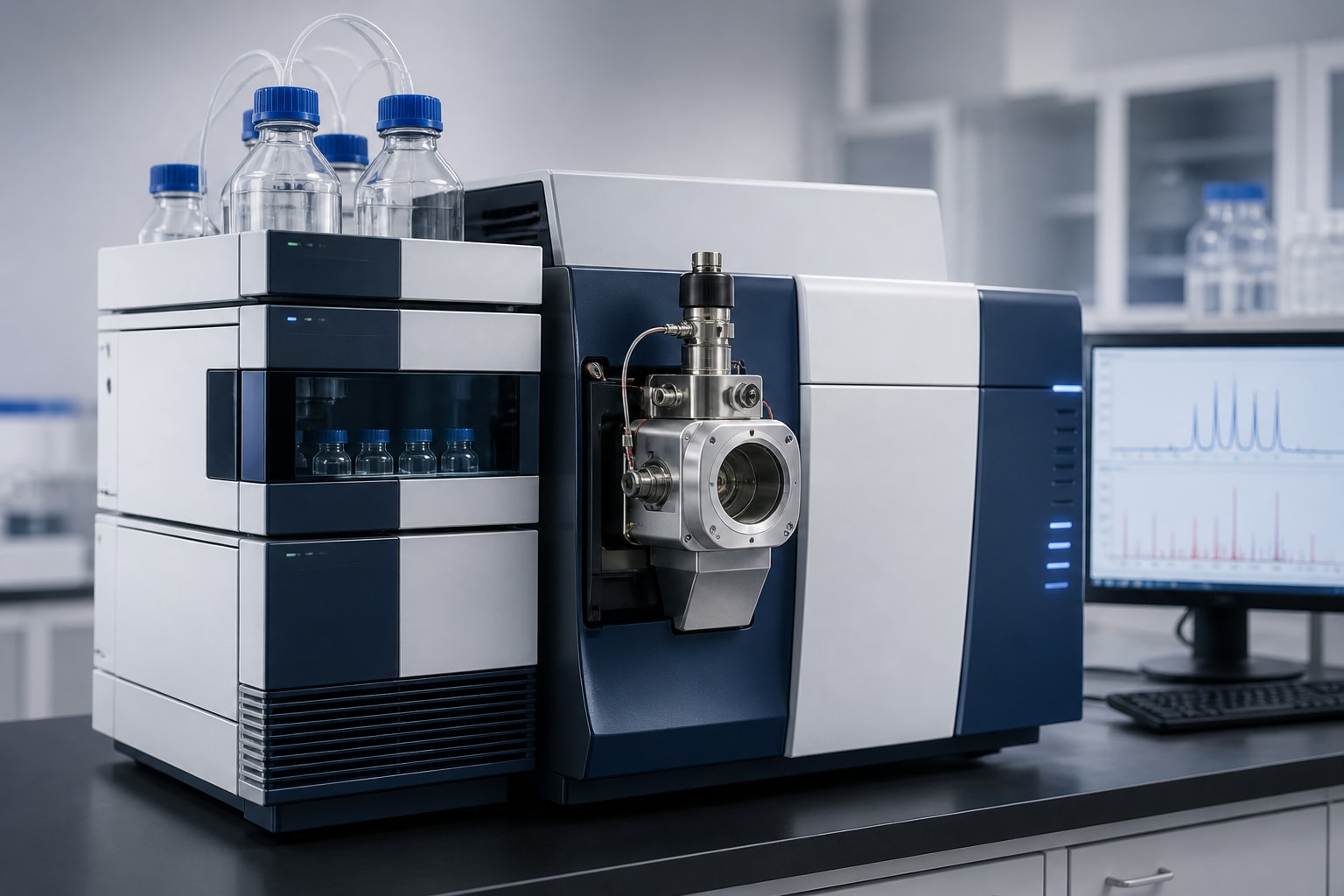
Laboratory analysis: Researchers screened for 28 corticosteroids and antifungals using high-resolution liquid chromatography–mass spectrometry, with tandem mass spectrometry confirmation. Each product with an initial detection was tested in two additional units.
Key Findings:
UPAIs were detected in 6 of 18 selected products (33.3%); all three tested units of each positive product contained an UPAI.
Clobetasol propionate, a prescription-only superpotent corticosteroid, was detected in all six positive products. Concentrations ranged from approximately 0.01% to 0.46%; the maximum was 9.2 times the 0.05% concentration in FDA-approved topical formulations.
Two clobetasol-containing products also contained miconazole or terbinafine. Product labels disclosed none of the detected active ingredients.
Positive products had more than 10,000 combined online reviews. Three skin-lightening products contained a superpotent corticosteroid.
Interpretation:
The authors report that the findings indicate existing regulatory and surveillance strategies may be inadequate. They note that chronic unsupervised exposure to potent corticosteroids may cause adverse effects, and that facial or periocular exposure is of particular concern.
Limitations:
The study examined a small, targeted sample selected for a greater likelihood of containing UPAIs; the 33.3% finding is not an estimate of prevalence across the US market.
Alternative chemical forms of UPAIs may have escaped detection.
The study did not assess actual population exposure.
Conclusion:
The authors state that targeted testing can support UPAI detection and may aid regulatory evaluation and surveillance.