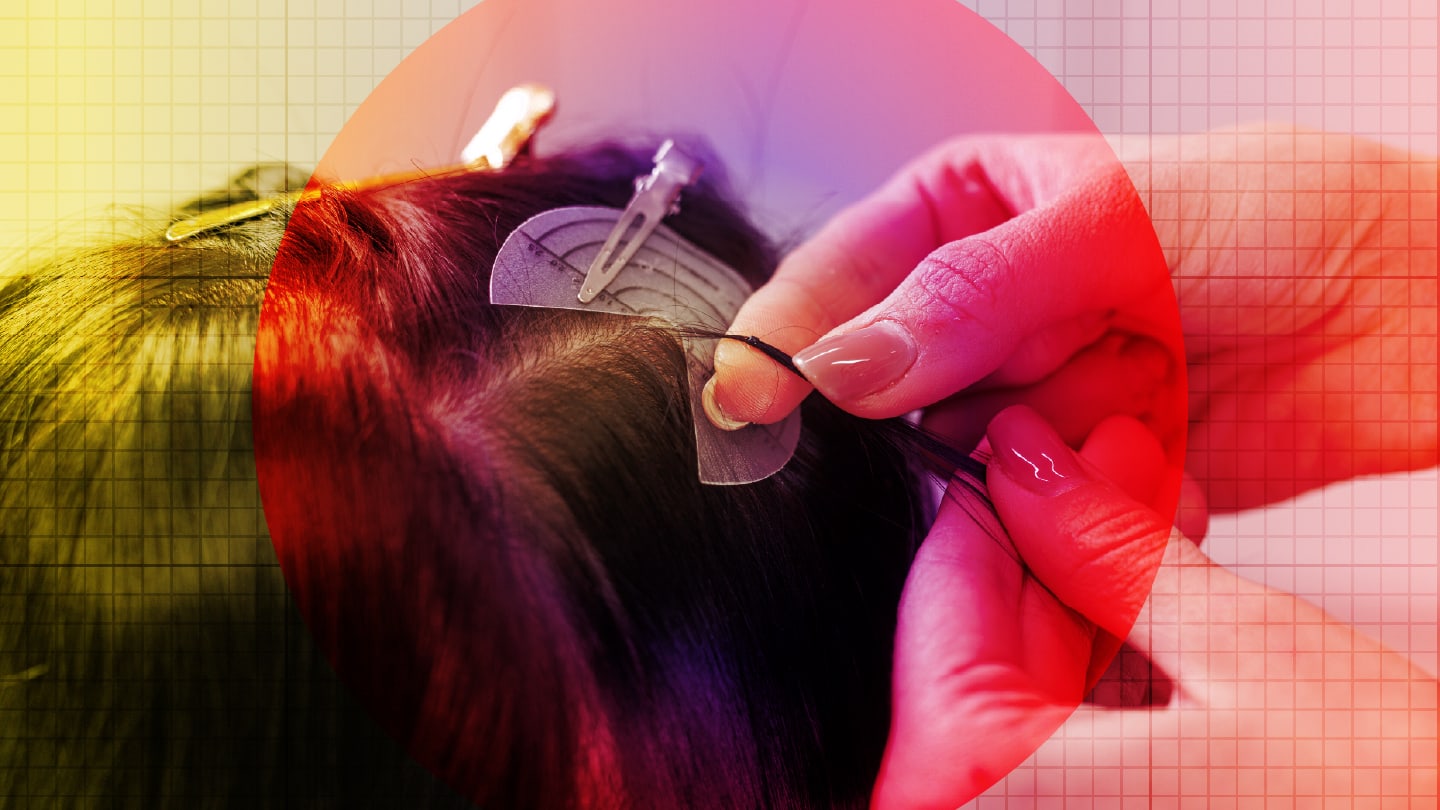
To identify and characterize the chemical composition of popular hair extensions and assess significant health risks associated with their use.
Approach:
Key Findings:
Nearly all products contained at least one chemical of concern, including flame retardants and phthalates.
More than 900 chemical signals were detected, leading to the identification of 169 compounds.
Forty-eight identified chemicals are on major hazard lists, including carcinogenic and endocrine-disrupting substances.
Organotins were found in about 10% of products, sometimes exceeding EU health limits.
Interpretation:
The presence of hazardous chemicals in both synthetic and bio-based hair extensions indicates that fiber origin does not predict chemical content, raising significant concerns about health risks for users.
Limitations:
The study does not assess the long-term health effects of exposure to these chemicals, which is crucial for understanding potential risks.
The sample size may not represent all hair extension products available in the market, limiting the generalizability of the findings.
Conclusion:
The findings highlight significant health risks associated with hair extensions, particularly for Black women, emphasizing the urgent need for industry reform and regulatory changes to prioritize consumer safety.