To report a case of bilateral microsporidial keratoconjunctivitis in a pediatric patient and highlight the need to consider microsporidial infection in persistent keratoconjunctivitis unresponsive to conventional therapy.
Approach:
Patient Presentation: A 9-year-old female presented with a 3-week history of bilateral eye redness, itching, discomfort, and foreign-body sensation after being treated for presumed allergic conjunctivitis.
Diagnostic Methods: In vivo confocal microscopy (IVCM) and anterior segment optical coherence tomography (AS-OCT) were used, followed by metagenomic next-generation sequencing (mNGS) to identify the causative agent.
Treatment: The patient was treated with chlorhexidine eye drops, levofloxacin eye drops, and ofloxacin eye ointment, with no corticosteroids administered.
Key Findings:
Microsporidial keratoconjunctivitis was confirmed through metagenomic next-generation sequencing, identifying E. hellem.
By day 7, symptoms improved significantly, and by day 14, corneal surface and visual acuity were restored.
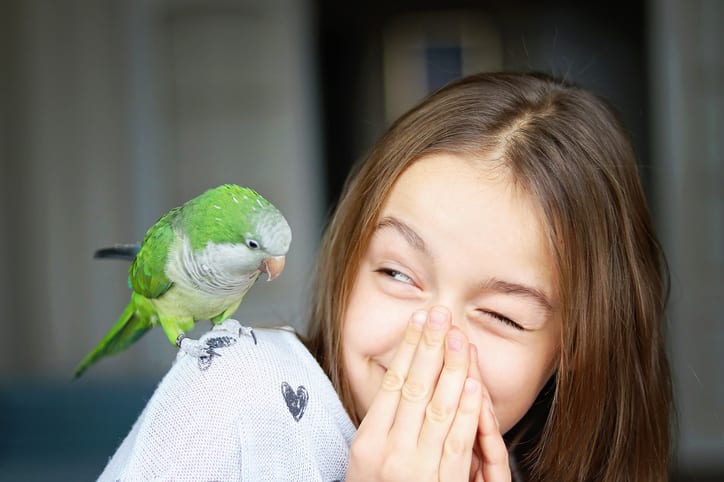
Prolonged orthokeratology lens wear and exposure to pet parrots were noted as potential risk factors.
Interpretation:
Microsporidial keratoconjunctivitis can mimic allergic conjunctivitis and may be overlooked in patients with persistent symptoms despite treatment.
Limitations:
Findings from a single patient may not be generalizable.
Microscopic confirmation using special staining was not performed.
Environmental sources were not microbiologically tested.
Conclusion:
Microsporidial infection should be considered in the differential diagnosis of persistent corneal infections in patients with orthokeratology lens wear.
A VHA study across 11 vendors finds AI-generated primary care notes score lower than clinician-written notes, with the largest deficits in thoroughness, organization, and usefulness