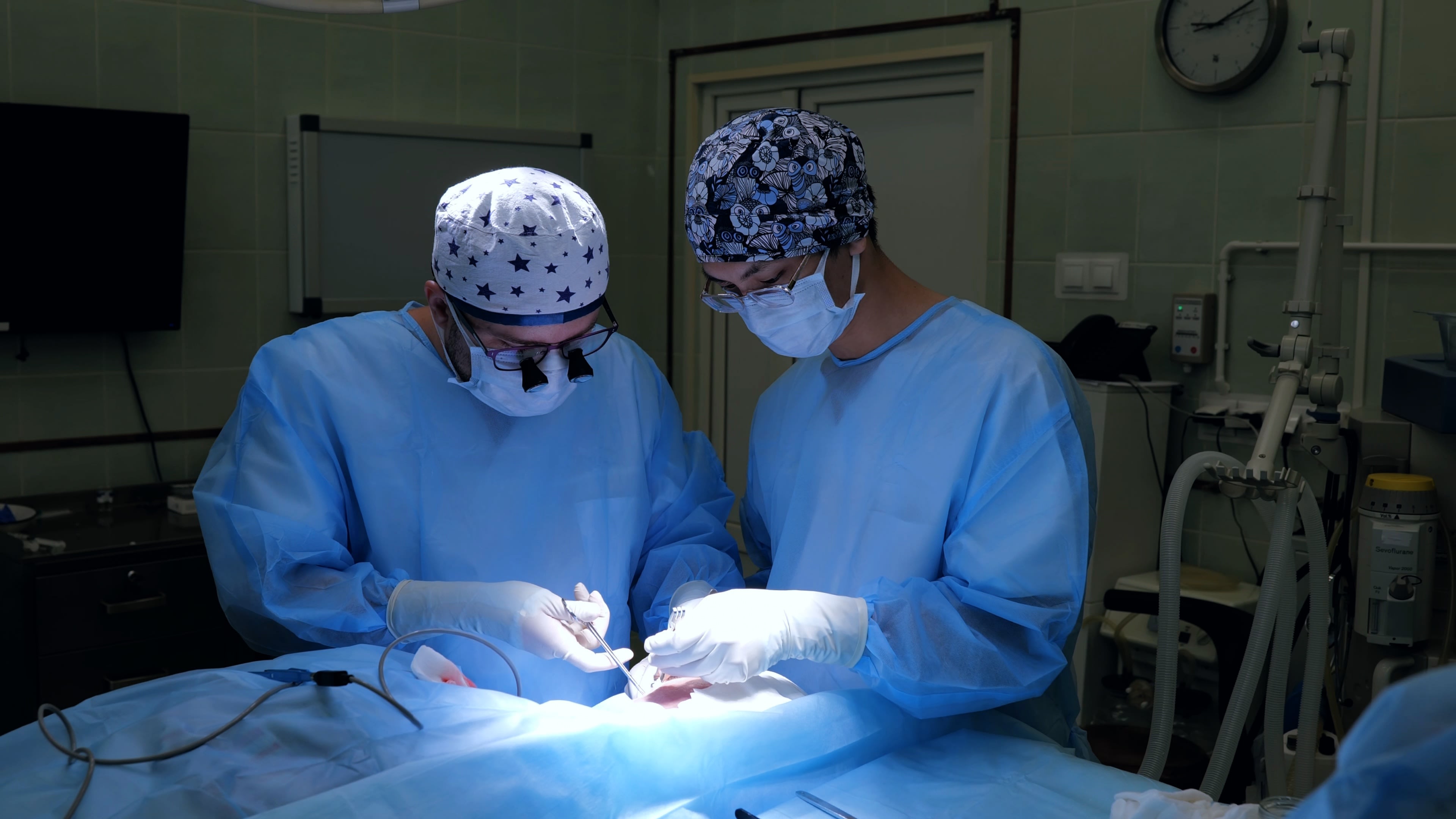
Omentopexy after laparoscopic sleeve gastrectomy in children and adolescents: is it effective in reducing post-operative complications? - Summary - MDSpire
To assess the effectiveness of omentopexy during laparoscopic sleeve gastrectomy in reducing early gastrointestinal adverse symptoms, specifically nausea and vomiting, and its impact on post-operative bleeding.
Key Findings:
Omentopexy may reduce early postoperative gastrointestinal complications such as nausea and vomiting.
Patients undergoing LSG with omentopexy had a lower incidence of specific postoperative complications compared to those without omentopexy.
The study suggests a potential mechanism where omentopexy stabilizes the gastric sleeve, preventing torsion.
Interpretation:
The findings indicate that omentopexy could be a beneficial adjunct to LSG in pediatric patients, potentially leading to improved postoperative outcomes.
Limitations:
The study had a small sample size of 48 patients.
Short follow-up duration of 12 to 18 months may not capture long-term outcomes.
Potential biases in patient selection and randomization methods should be acknowledged.
Conclusion:
Omentopexy during LSG may decrease postoperative complications in pediatric patients, warranting further research with larger sample sizes, longer follow-up, and a focus on specific complications.
Facial nerve disorders impact approximately 30 out of 100,000 adults in the U.S. annually. Common causes of damage to the facial nerve and subsequent facial paralysis include Bell’s palsy, cancerous tumors, acoustic neuromas and iatrogenic complications.
Vascular surgery continues to evolve as new endovascular technologies, hybrid procedures and emerging applications of artificial intelligence expand how physicians can approach complex vascular disease.