MSPEECH (multiple sclerosis monitoring through speech interaction in clinic and at home): a Living Lab study protocol for co-created, speech-based digital biomarkers in multiple sclerosis - Summary - MDSpire
Conexiant’s news site is now MDSpire News. Learn more
Advertisement
MSPEECH (Monitoring Multiple Sclerosis Through Speech Interaction in Clinical and Home Settings): A Study Protocol for Developing Co-Created, Speech-Driven Digital Biomarkers in Multiple Sclerosis
To develop, refine, and evaluate a speech assessment app (Mili) for monitoring multiple sclerosis (MS) through structured co-creation and iterative cycles.
Approach:
Study Design: A single-center, prospective, non-interventional Living Lab study at the MS Center Dresden, involving co-creation with people with MS (pwMS) and clinicians.
Demonstrator Cycles: Three demonstrator cycles involving co-design feedback, implementation, usability evaluation, and documentation of changes.
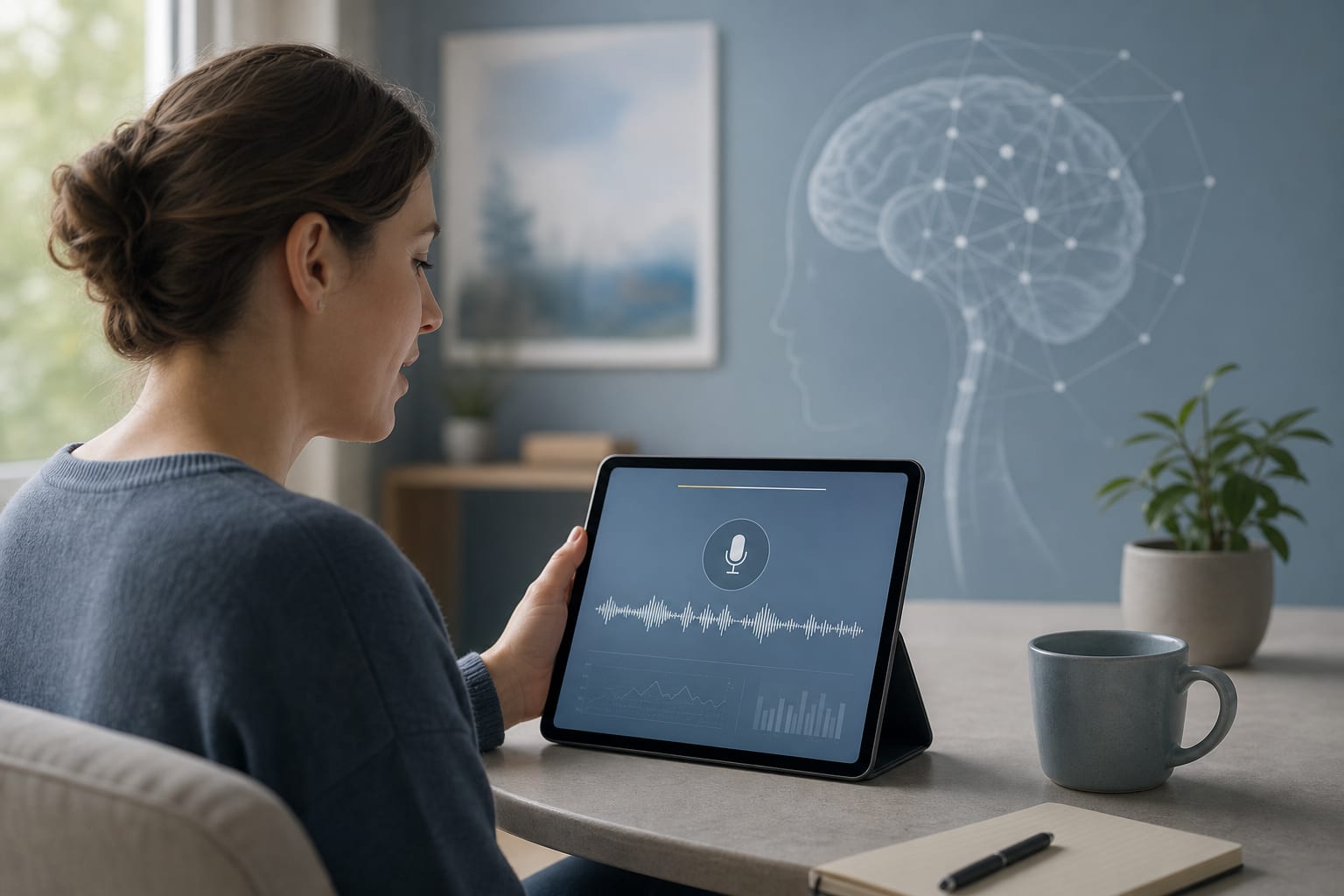
Speech Assessment: The app includes multiple speech tasks and a dual-task module, focusing on usability, acceptability, and engagement.
Ethical Oversight: A dedicated Ethical, Legal and Social Issues (ELSI) board provides continuous oversight throughout the study.
Key Findings:
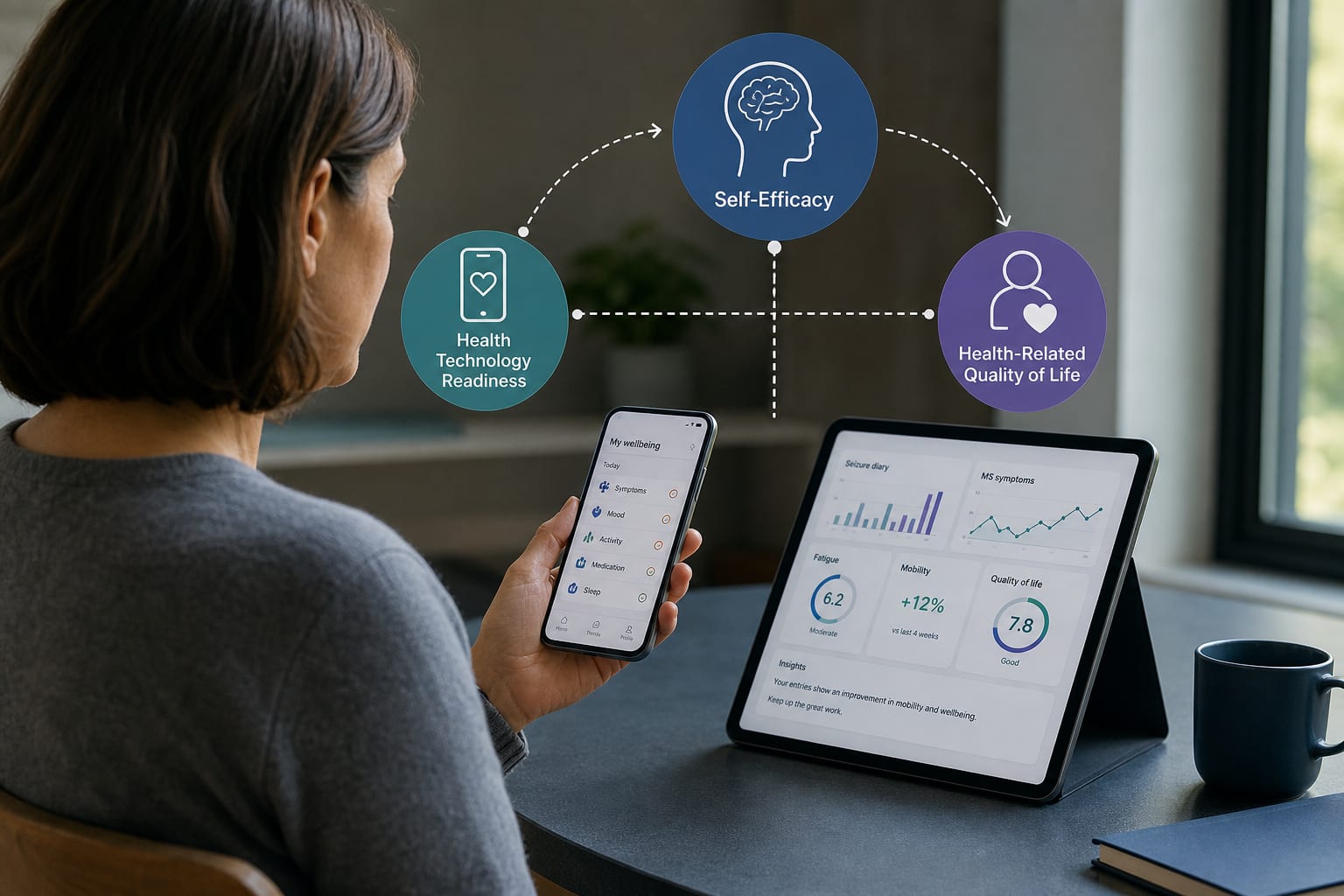
Digital health tools can provide frequent, low-burden measurements for MS monitoring.
Speech metrics may align with symptom severity and clinically relevant domains in MS.
Iterative usability refinement and stakeholder engagement are crucial for developing clinically useful digital biomarkers.
Interpretation:
The study aims to bridge the gap between technical feasibility and clinical usefulness of speech-based digital biomarkers in MS.
Limitations:
The study is limited to a single center and may not be generalizable.
Focus on development and usability rather than clinical efficacy or final validation of digital biomarkers.
Conclusion:
MSPEECH represents a structured approach to developing speech-driven digital biomarkers for MS, emphasizing co-creation and ethical governance.