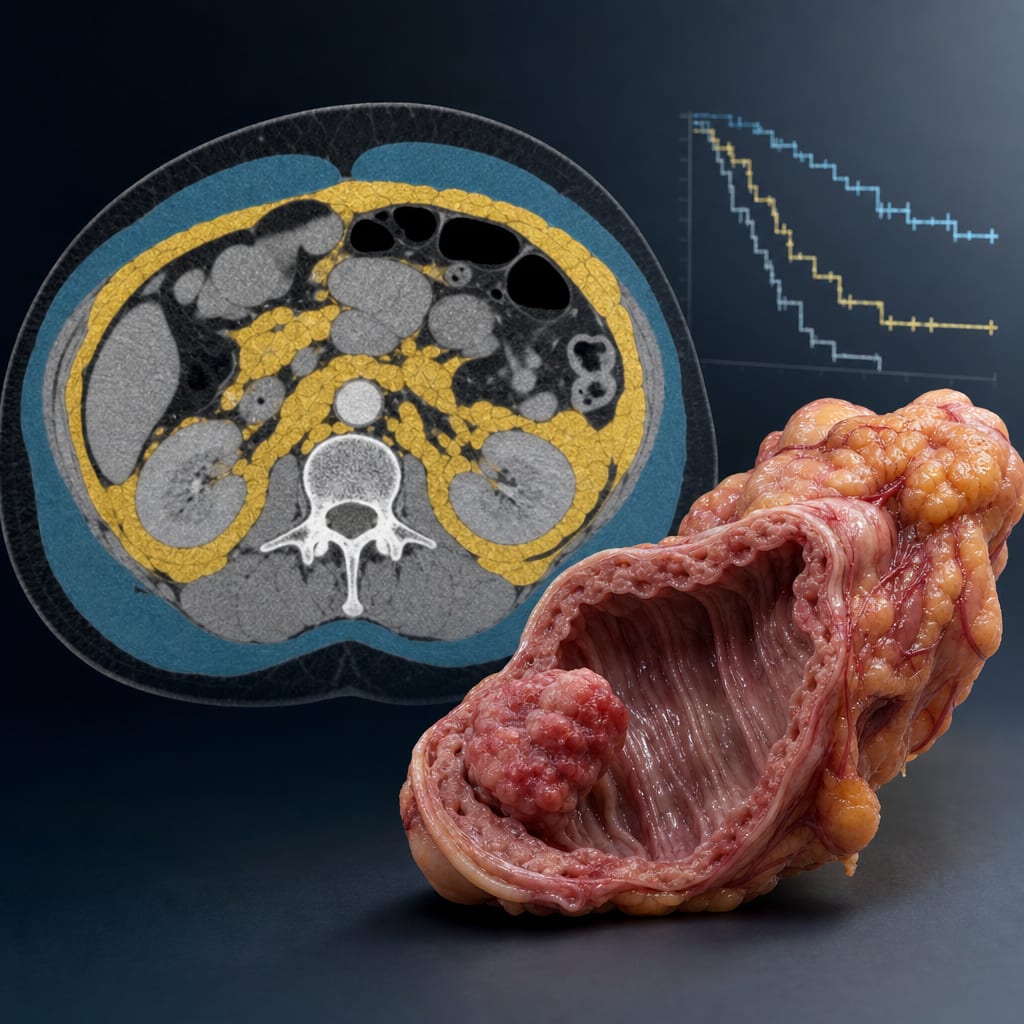
To demonstrate the relationship between waist-to-height ratio (WHtR) and obstructive sleep apnea (OSA) risk by analyzing data from NHANES and clinical cases.
Key Findings:
WHtR was positively associated with OSA risk in both NHANES and clinical datasets.
Each 0.1-unit increase in WHtR was linked to higher odds of OSA (NHANES: OR 2.780; clinical: OR 11.998; both P < 0.001).
RCS analysis indicated a significant non-linear relationship with risk increasing rapidly beyond WHtR thresholds of 0.589 (NHANES) and 0.523 (clinical).
WHtR achieved an AUC of 0.727 in NHANES and 0.883 in clinical data, outperforming BMI in the clinical setting.
Subgroup analyses showed WHtR maintained superior predictive value across sex and age strata.
Interpretation:
Remove unsupported claims about WHtR's predictive value.
Limitations:
The study is based on cross-sectional data, limiting causal inferences.
The clinical dataset is limited to a specific population, which may affect generalizability.
Conclusion:
Revise to avoid unsupported claims about WHtR as a screening tool.
These 10 states make it more practical for physicians to participate in hospital ownership by aligning statutory structure, corporate practice of medicine rules, and population trends.