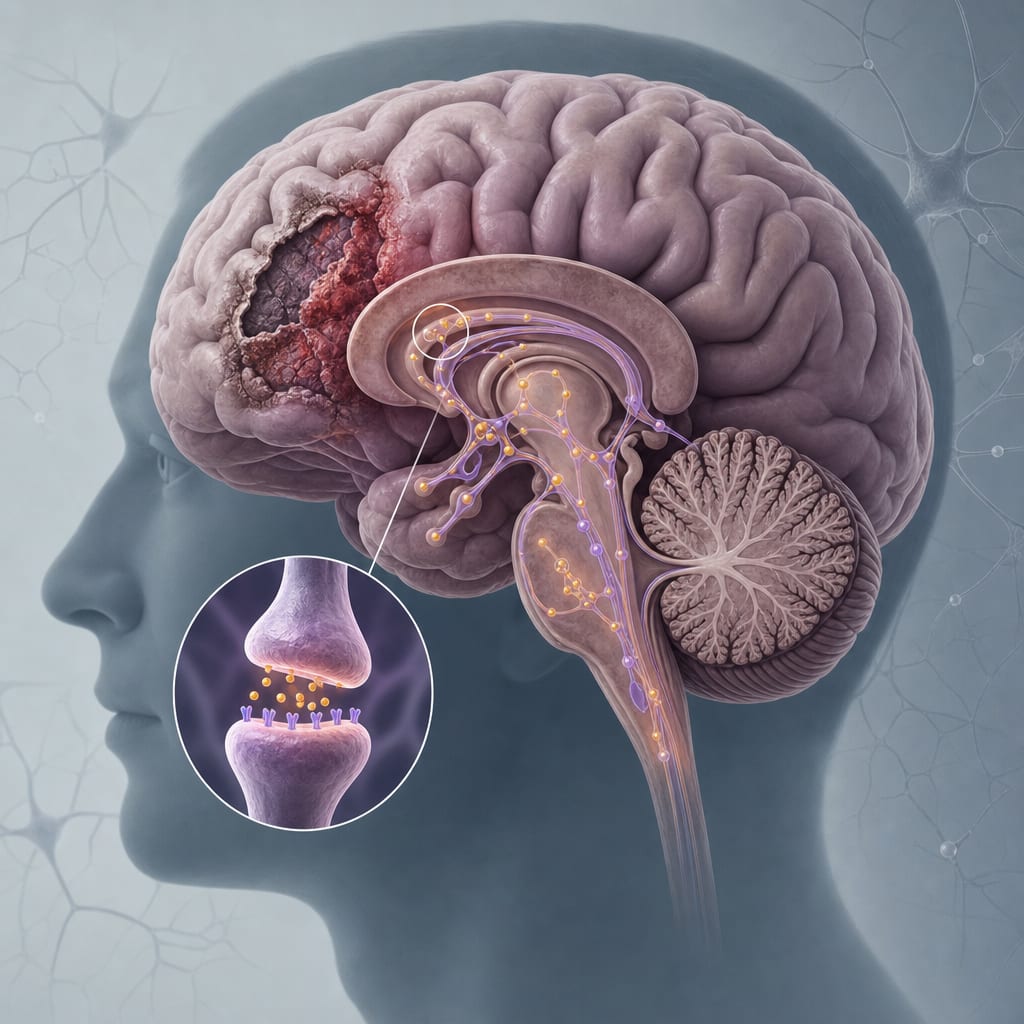
To create and validate a straightforward, acute-phase clinical phenotyping methodology to categorize the risk of long-term cognitive and functional outcomes in patients with CVST, thereby improving prognostic accuracy.
Key Findings:
Cognitive impairment rates were 27.0%, 59.5%, and 90.3% for Benign, Focal, and Diffuse phenotypes respectively (p < 0.001), indicating a significant gradient of risk.
Return to employment rates were 89.2%, 66.7%, and 32.3% for Benign, Focal, and Diffuse phenotypes respectively (p = 0.002), highlighting the impact of phenotype on functional recovery.
Focal and Diffuse Brain Injury phenotypes were independent predictors of cognitive impairment compared to the Benign phenotype, underscoring the need for tailored interventions.
Interpretation:
The study demonstrates that acute-phase clinical phenotyping can effectively predict long-term cognitive and functional outcomes in CVST patients, highlighting the need for targeted interventions for all phenotypes, particularly those with Diffuse Brain Injury.
Limitations:
Retrospective design may introduce bias, potentially affecting the reliability of the findings.
Incomplete documentation of treatment variables due to the study's duration may limit the understanding of treatment impacts.
Limited follow-up imaging data for recanalization status could affect the assessment of long-term outcomes.
Conclusion:
A bedside-accessible clinical phenotyping framework can efficiently categorize long-term risk in CVST patients, necessitating prompt intervention for those with Diffuse Brain Injury.