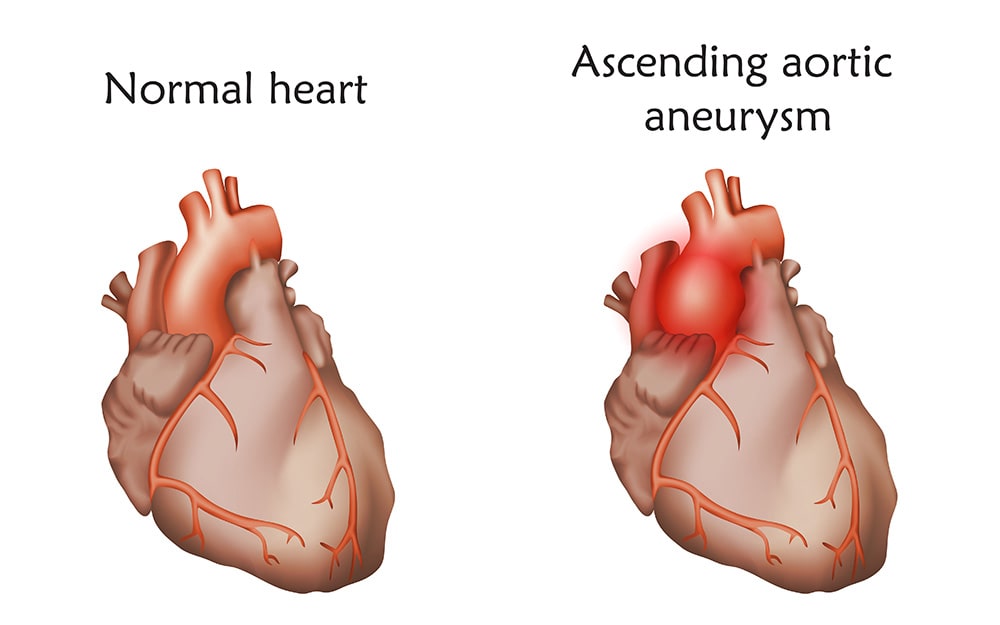
The article examines the objective, findings, and clinical context described in Aortic Aneurysm Risk: When Is the Right Time to Refer to a Specialist?.
Approach:
Referral and surveillance: Fleischman recommends specialist referral when an aneurysm is detected. Referral is especially important when it measures 4.5 cm or more or grows by 0.5 cm over 6–12 months. Providers should share imaging, not only the radiology report; he identifies CT as the…
Family history: Assess family history of aneurysms and sudden deaths, which may have been misclassified without an autopsy. Fleischman notes that smoking, high blood pressure, high cholesterol, obesity, and age over 65 are additional risk factors.
Treatment and shared care: Treatment planning considers aneurysm shape and location. Root or arch aneurysms may require open surgery; descending aneurysms are typically treated with an endovascular stent. Local providers handle preoperative steps and resume care after discharge, while s…
Key Findings:
The article recommends early specialist involvement and continued monitoring of aortic aneurysms.
Fleischman says saccular aneurysms are more likely to rupture sooner than fusiform aneurysms.
The surgical approach depends on aneurysm location; the article describes open repair for some root or arch aneurysms and endovascular repair for descending aneurysms.
Fleischman says aneurysms require lifelong follow-up and describes collaboration between specialists and local providers.
Interpretation:
The article presents specialist referral, imaging-based surveillance, family-history assessment, and coordination between specialists and local providers as components of aortic aneurysm care.
Limitations:
This is an expert interview and provider-facing article, not a clinical study or formal guideline.
The article does not provide evidence citations or detailed criteria for all aneurysm types and patient circumstances.