High-dose accelerated intermittent theta burst stimulation targeting the primary motor cortex for gait and cognitive functions in cerebral small vessel disease: a randomized controlled trial - Summary - MDSpire
Advertisement
High-dose accelerated intermittent theta burst stimulation targeting the primary motor cortex for gait and cognitive functions in cerebral small vessel disease: a randomized controlled trial
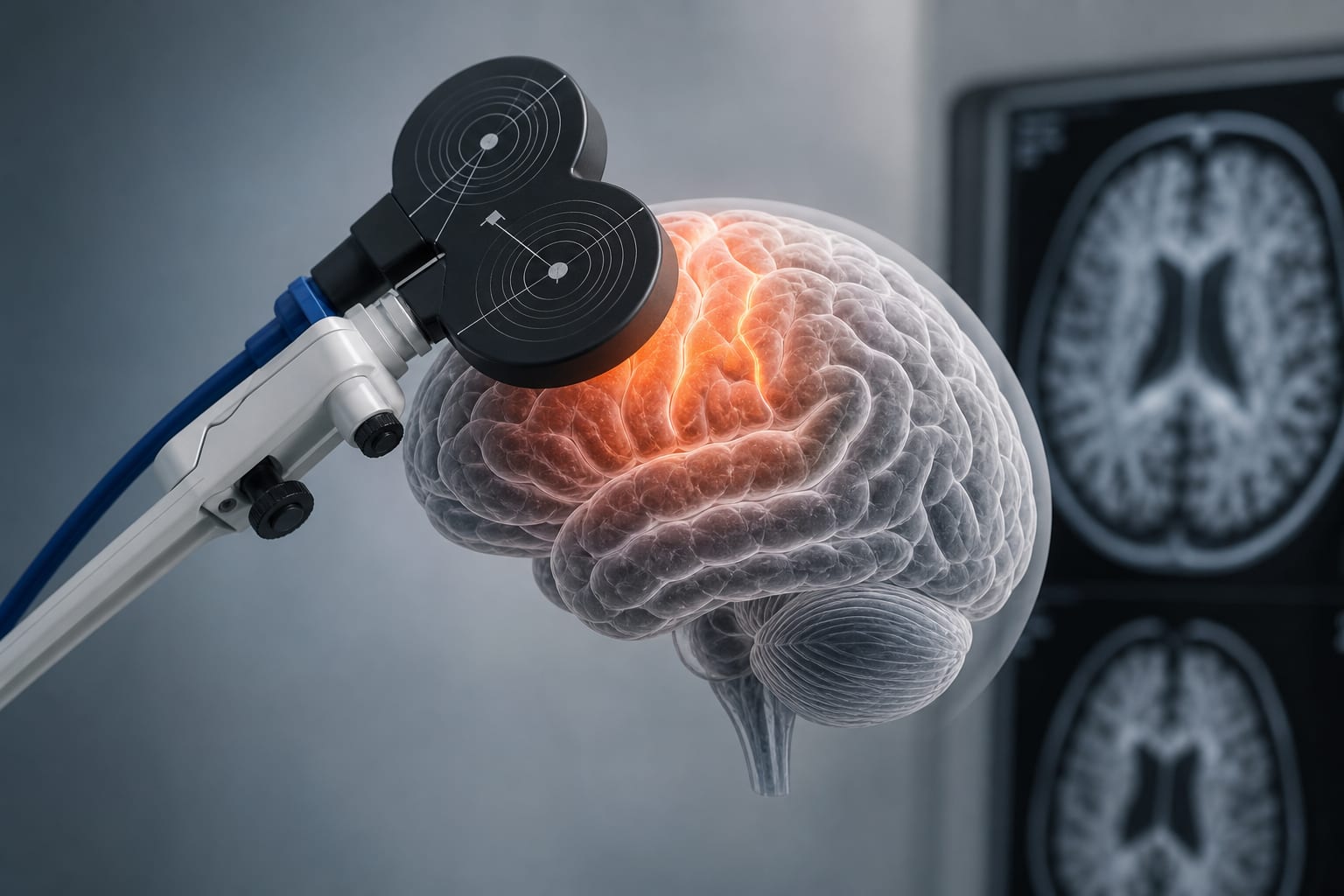
To investigate the efficacy and safety of high-dose accelerated intermittent theta burst stimulation (aiTBS) targeting the primary motor cortex for treating gait disorder and cognitive dysfunction in patients with cerebral small vessel disease (CSVD).
Key Findings:
Real-aiTBS group showed significantly greater improvements in multidimensional gait, cognitive, affective, and autonomic function assessments compared to sham-aiTBS group.
Statistically significant time effects were observed for 3mTUG duration, Tinetti, CMMS, and MoCA scores at the 4-week follow-up.
No significant differences were found for MoCA scores between groups.
Therapeutic response to aiTBS correlated with CSVD neuroimaging features.
Interpretation:
High-dose aiTBS targeting the M1 area improved clinical symptoms such as gait and cognitive disorder in patients with CSVD, with responses related to neuroimaging phenotypes.
Limitations:
Small sample size of 36 patients.
Single-blind design may introduce bias.
Conclusion:
aiTBS holds promise as a therapeutic approach for improving gait and cognitive function in patients with CSVD.
In a multicenter registry study, genetic diagnoses were associated with substantially lower cognitive, language, and motor scores; while birth weight, surgical timing, hospitalization burden, and caregiver education were also associated with outcomes.