Gastroenterologically relevant high alert medications prescribed to children with chronic diseases—a consensus-driven single-center pilot study - Summary - MDSpire
Advertisement
Gastroenterologically relevant high alert medications prescribed to children with chronic diseases—a consensus-driven single-center pilot study
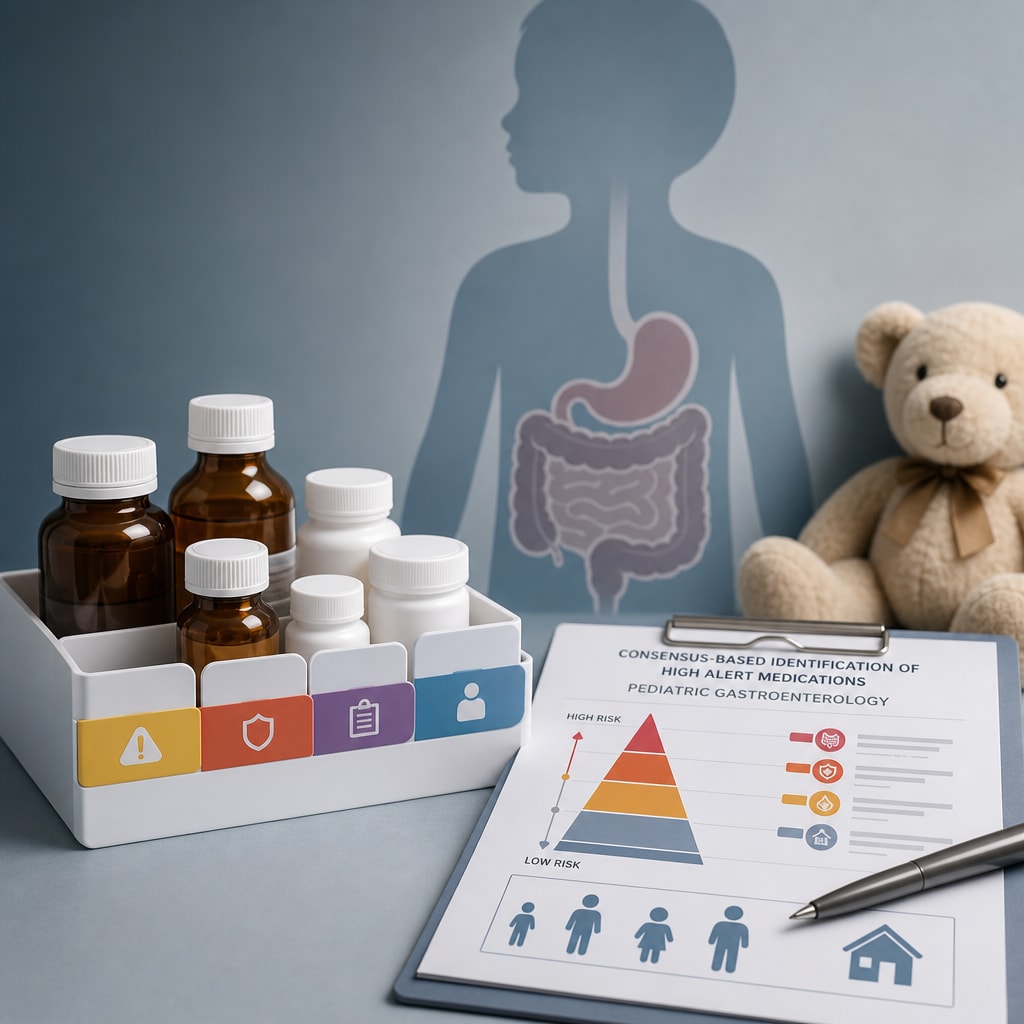
To identify High Alert Medications (HAMs) in the pediatric gastroenterological population using a consensus approach and a new scale designed to measure medication risk and potential patient harms, which differs from existing measures by [insert specific differences].
Key Findings:
32 medications categorized into the highest medication risk categories, highlighting the need for careful monitoring.
16 medications identified in the highest potential patient harm group, indicating significant safety concerns.
12 medications defined as HAMs, primarily immunosuppressants, which require special attention in management.
50% of identified HAMs appeared in only one other published list; one-third were not previously classified as High Alert, underscoring the uniqueness of this study's findings.
Interpretation:
Immunosuppressants pose significant risks due to narrow therapeutic windows and complex interactions. The study highlights the need for localized HAM lists tailored to specific patient populations, which could enhance medication safety and reduce adverse events.
Limitations:
Findings are based on a single center and may not be generalizable, potentially introducing biases that could affect the results.
Validation studies and empirical data are needed to confirm results.
Conclusion:
The study emphasizes the importance of identifying HAMs in pediatric gastroenterology to enhance medication safety in home care settings.