Blood-activating, depression-relieving formula alleviates post-stroke depression: mechanistic insights from network pharmacology and microglial validation - Summary - MDSpire
Advertisement
Blood-activating, depression-relieving formula alleviates post-stroke depression: mechanistic insights from network pharmacology and microglial validation
To evaluate the effects of a Blood-Activating, Depression-Relieving (BADR) herbal formula on post-stroke depression (PSD) by targeting molecular hubs and microglial phenotypes, which are critical in the pathophysiology of PSD.
Approach:
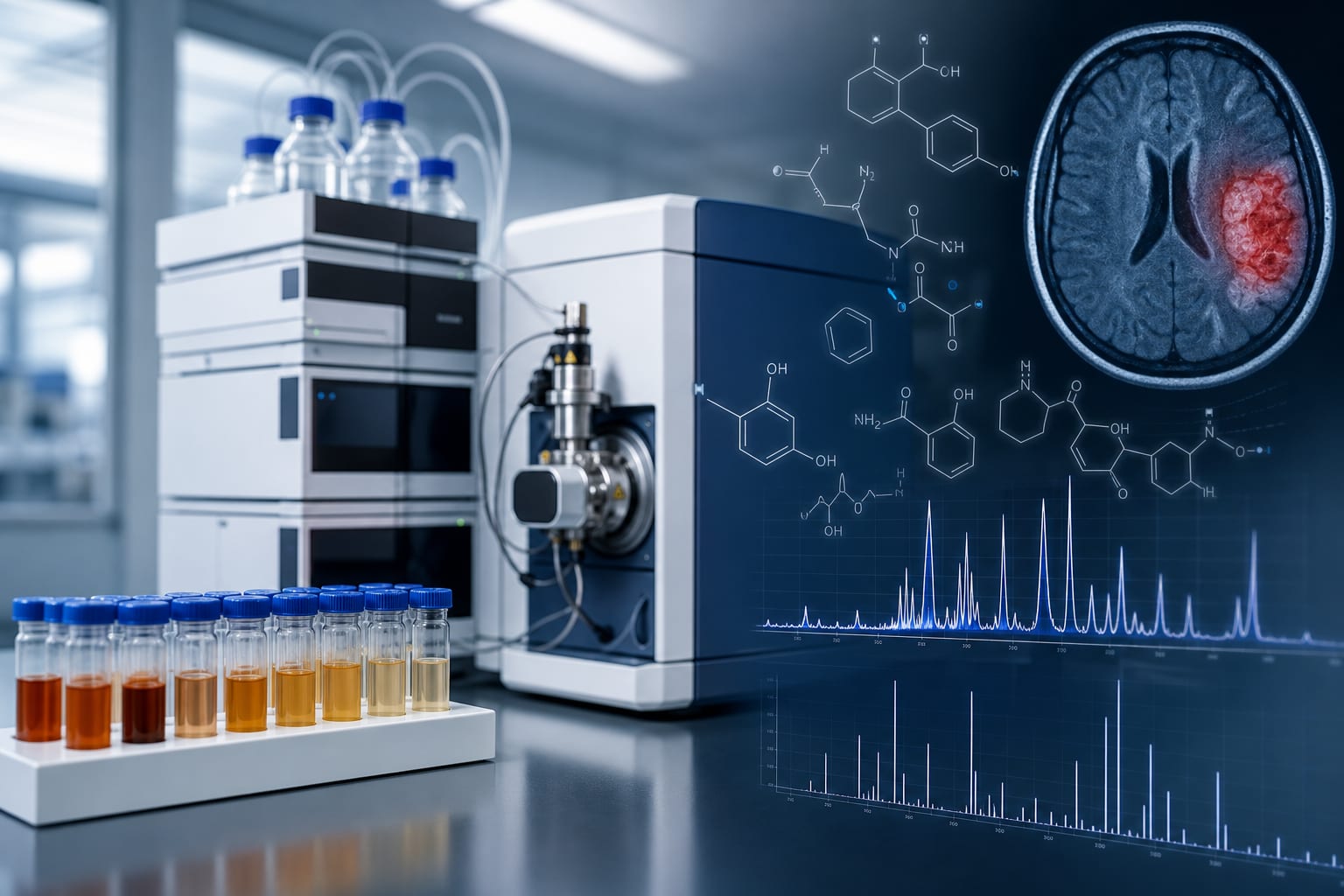
Network Pharmacology Analysis: BADR constituents were mapped to human protein targets using the Traditional Chinese Medicine Systems Pharmacology Database, and target-disease interaction networks were assembled and functionally annotated using KEGG and GO.
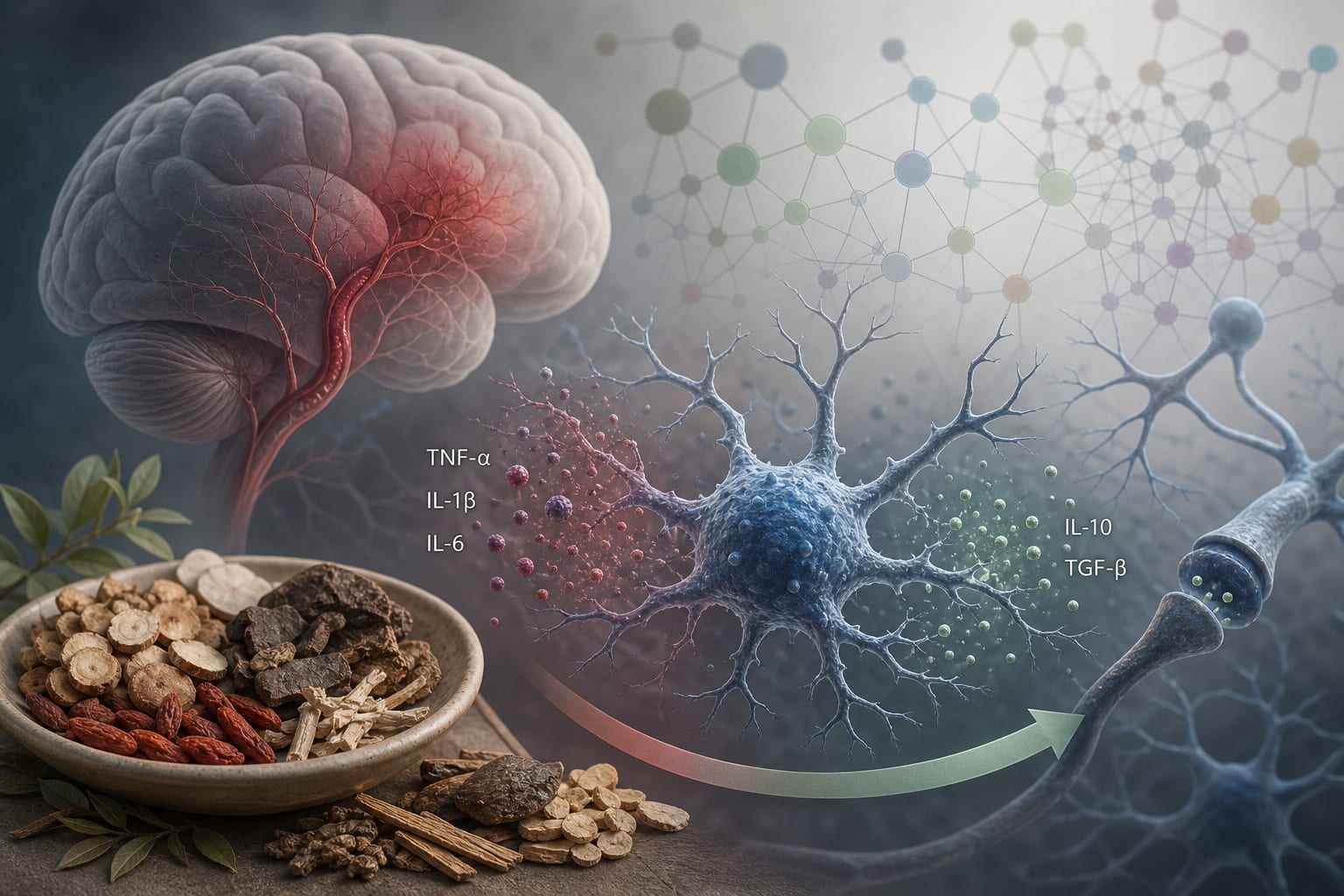
Experimental Validation: BV2 microglia were activated with lipopolysaccharide (LPS) and co-treated with BADR to assess cytokine levels (IL-1β, TNF-α, IL-6), cell viability, and apoptosis, with dexamethasone as a comparator.
Key Findings:
Network analysis identified dense modules enriched for PI3K-AKT, JAK-STAT, and neuroactive-ligand signaling, with specific hubs including EGFR, AKT1, STAT3, JUN, PIK3CA, and BCL2.
BADR significantly attenuated LPS-induced cytokine surges (IL-1β, TNF-α, IL-6), improved cell viability, and reduced apoptosis compared to controls.
BADR down-regulated EGFR/JUN/STAT3/PIK3CA and restored BCL2 expression at both transcript and protein levels, indicating a multifaceted mechanism of action.
Interpretation:
The BADR formula demonstrates coordinated anti-inflammatory and pro-survival effects in a PSD-relevant context, targeting key molecular pathways without implying broader conclusions.
Conclusion:
The findings support further investigation of BADR for its potential as a multi-target therapeutic approach in treating post-stroke depression.