Sport: The Precision Medicine Vanguard - Summary - MDSpire
Advertisement
Sport: The Precision Medicine Vanguard
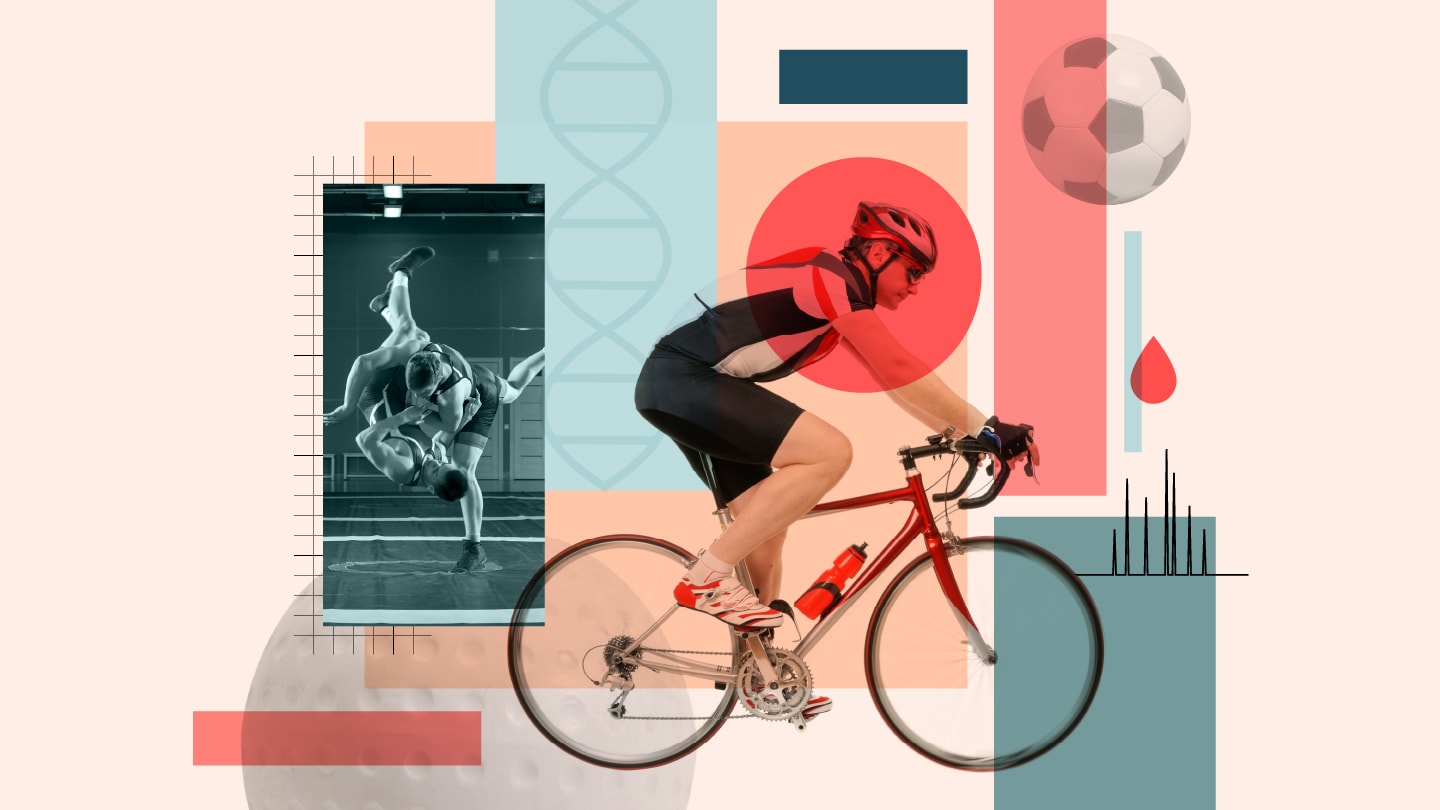
Armed with ever-more practical and powerful sampling devices, omics workflows, and wearable tech, could elite athletes pioneer a more precise approach to sport – and health?
To explore how precision medicine and bioanalytical approaches can enhance athletic performance and health monitoring.
Approach:
Case Study of Britton Needham: Britton Needham, a competitive wrestler with type-1 diabetes, utilized disciplined blood sugar monitoring and dietary adjustments to succeed in sports.
Research on Elite Athletes: Researchers collected samples from elite cyclists and ultra-endurance runners to analyze metabolic signatures and physiological responses during training and competition.
Metabolomic Analysis: Studies utilized mass spectrometry to measure thousands of molecules, identifying performance-related metabolic differences among athletes.
Key Findings:
Metabolomic signatures can distinguish between varying levels of athletic performance.
Top-performing cyclists maintained fat-burning capacity better than others during races.
Ultra-endurance athletes exhibited significant inflammatory responses and red blood cell damage.
Interpretation:
Identifying biochemical markers could help athletes optimize training and recovery, potentially preventing overtraining.
Limitations:
Current research primarily focuses on elite athletes, limiting generalizability.
The complexity of metabolic responses may require further investigation to establish practical applications.
Conclusion:
Precision medicine approaches in sports may lead to personalized training and nutrition strategies, enhancing athlete performance and health.
In a pooled analysis of two randomized crossover trials, reducing nightly sleep by about 1.5 hours for 6 weeks was associated with modest increases in body weight and waist circumference without measurable changes in body composition.
Single-nucleus sequencing of menstrual fluid identified epithelial gene signatures and prioritized five candidate biomarkers that warrant validation in larger studies.