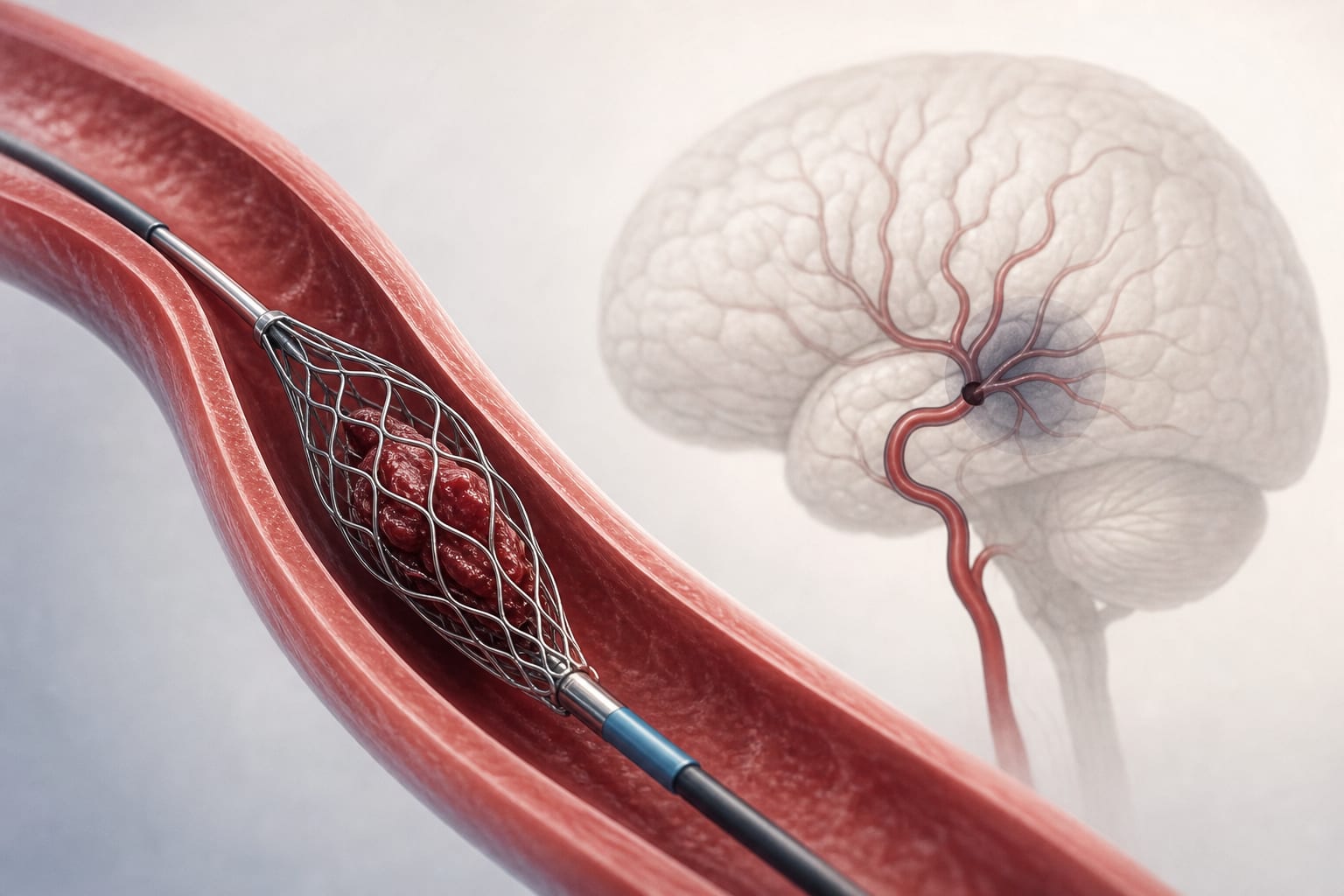
To establish an overview of hospital care for ischemic stroke and identify therapeutic pathways, including their characteristics, in France.
Key Findings:
In 2023, 171,674 patients were hospitalized for stroke, with 57.4% for ischemic stroke, reflecting significant regional disparities.
70% of ischemic stroke hospitalizations were managed in stroke units (SU), which represent only 13% of facilities in France, indicating a need for improved access.
78 distinct therapeutic pathways were identified, with 11 pathways accounting for 90% of the study population, underscoring the concentration of care.
Interpretation:
The organization of stroke care facilities, particularly stroke units, significantly influences the management of ischemic stroke, affecting costs, length of stay, patient outcomes, and public health policy.
Limitations:
The study is based on secondary data, which may have inherent biases, particularly in capturing the full scope of regional variations in stroke care.
Regional variations in stroke care may not be fully captured, potentially affecting the generalizability of the findings.
Conclusion:
Optimizing the territorial organization of stroke care can improve management efficiency and patient outcomes.
Over two days, specialists across neurology, neurosurgery and related subspecialties came together to discuss advances in stroke care, epilepsy, movement disorders, neurodegenerative disease, neuro-oncology, brain and spine surgery, interventional pain management and emerging technologies.