Feeding the gut-immune axis: dietary, prebiotic, and probiotic strategies to target persistent inflammation in ART-treated HIV: a narrative review - Summary - MDSpire
Conexiant’s news site is now MDSpire News. Learn more
Advertisement
Nourishing the Gut-Immune Connection: Dietary, Prebiotic, and Probiotic Approaches to Address Chronic Inflammation in HIV Patients Under Antiretroviral Therapy: A Narrative Review
To examine evidence on nutritional and microbiome-based interventions aimed at reducing inflammation in people living with HIV (PWH) undergoing antiretroviral therapy (ART).
Approach:
Study Types: The review evaluates randomized controlled trials, mechanistic studies, systematic reviews, and meta-analyses.
Key Findings:
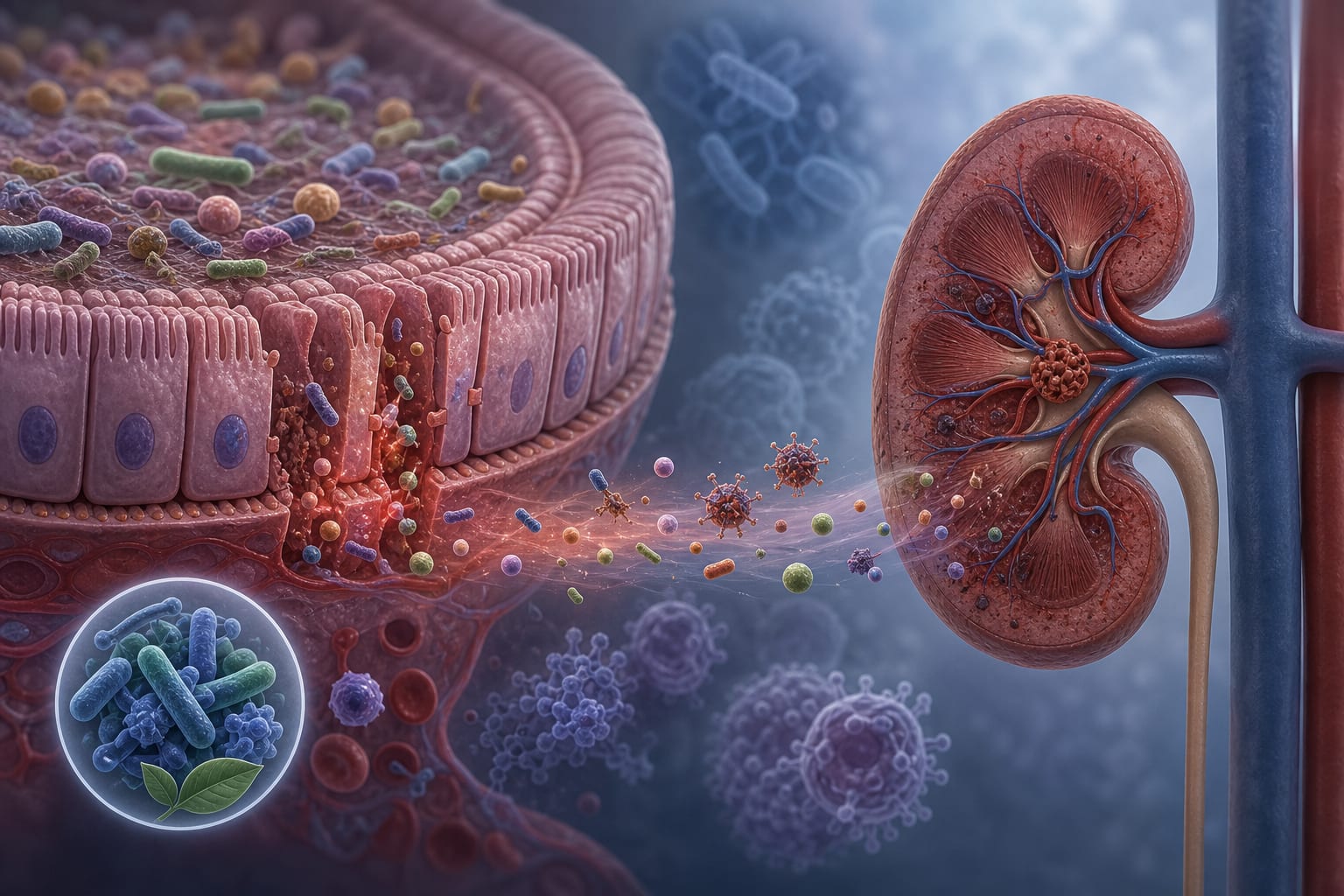
Reduced production of short-chain fatty acids (SCFAs), particularly butyrate, is linked to morbidity and mortality in PWH, with SCFAs exerting immunomodulatory effects through promoting regulatory T-cell differentiation and enhancing epithelial tight junction integrity.
Probiotics, prebiotics, synbiotics, and fecal microbiota transplantation have shown reductions in inflammatory biomarkers such as soluble CD14 (sCD14), lipopolysaccharide-binding protein (LBP), and high-sensitivity C-reactive protein (hsCRP).
The Mediterranean diet, omega-3 fatty acids, and polyphenol-rich foods may modulate gut microbiota and SCFA production but are underexplored.
Gaps exist in the literature regarding optimal probiotic strains, doses, and trials with clinically meaningful endpoints.
Interpretation:
The review examines the role of gut dysbiosis and inflammation in PWH despite ART, highlighting the need for targeted dietary and microbiome interventions.
Limitations:
Lack of trials with clinically meaningful endpoints.
Insufficient data on optimal probiotic strains and doses.
Few randomized trials evaluating anti-inflammatory dietary patterns in PWH.
Conclusion:
The review proposes a research agenda focusing on Mediterranean diet intervention trials, precision microbiome interventions, and combination approaches integrating dietary modifications with microbiome-targeted therapies.