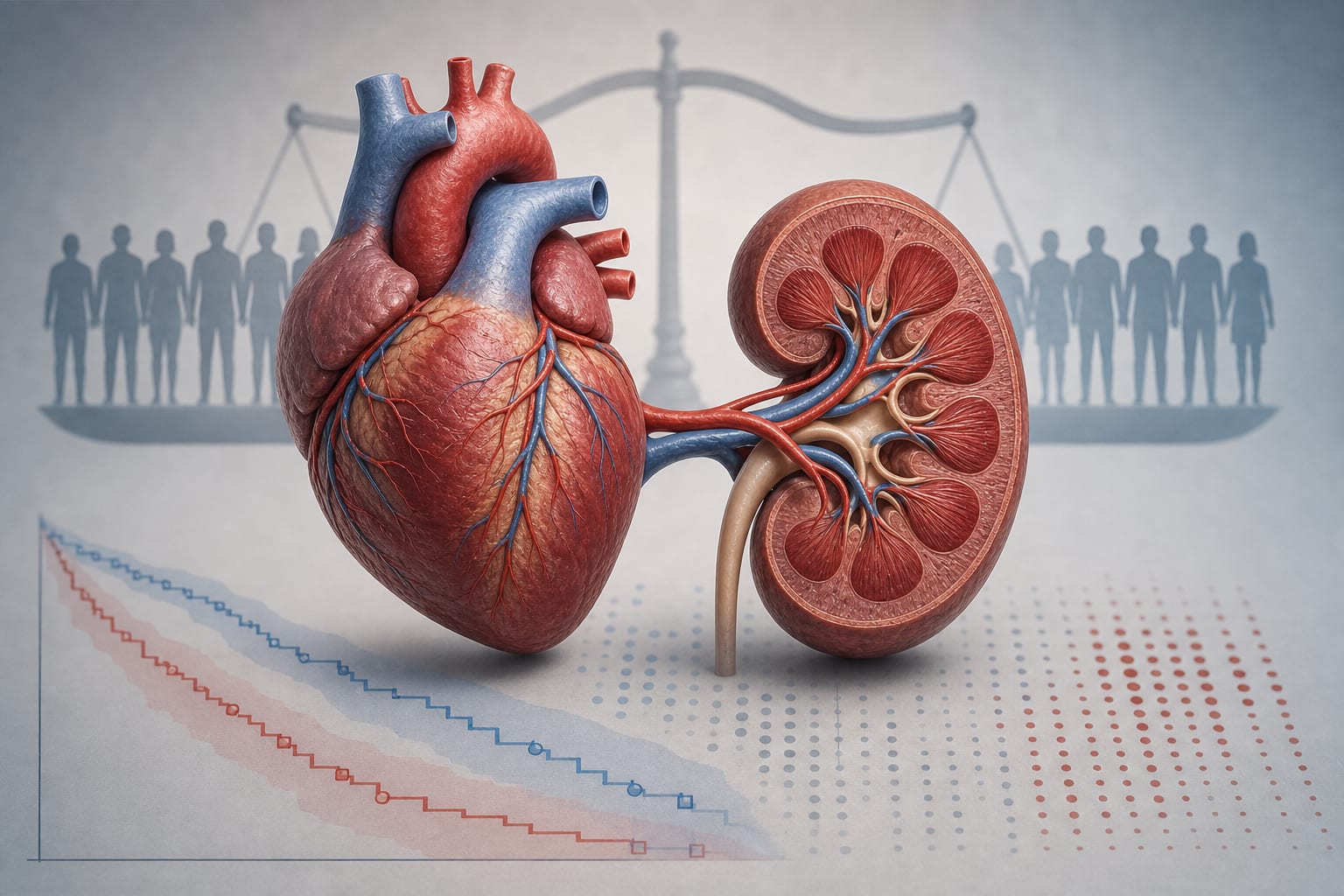
To explore the immune-mediated mechanisms underlying cardiovascular sequelae in Long COVID and potential therapeutic strategies targeting persistent inflammation and immune dysregulation, emphasizing their significance for patient outcomes.
Approach:
Key Findings:
Long COVID is associated with a range of cardiovascular complications including myocarditis, ischemic and non-ischemic heart disease, arrhythmias, heart failure, and thrombotic events, with prevalence varying significantly based on vaccination status.
Immune dysregulation and persistent inflammation are central drivers of cardiovascular injury in Long COVID.
The prevalence of Long COVID varies widely based on disease severity and vaccination status, with unvaccinated hospitalized patients showing higher rates.
Immune dysregulation in Long COVID may manifest as two types: immune activation leading to persistent inflammation and impaired immune function.
Findings on immune dysfunction are inconsistent, with some studies showing gradual normalization of immune dysregulation over time, while others indicate persistent issues.
Interpretation:
The article emphasizes the complexity of immune dysregulation in Long COVID and its implications for cardiovascular health, suggesting that immune-mediated injury may vary among individuals, which is crucial for tailoring clinical interventions.
Limitations:
Heterogeneity in study designs, populations, and outcome measures contributes to inconsistent findings on immune dysregulation, and potential biases in study selection may affect results.
The prevalence estimates of Long COVID are sensitive to definitions and methodologies used in different studies.
Conclusion:
Understanding the immune-mediated pathways contributing to cardiovascular complications in Long COVID is crucial for developing targeted therapeutic strategies, particularly those tailored to individual immune profiles.