To assess the radiomic characteristics of tumoral and peritumoral T2/FLAIR hyperintensity (PTBE) in patients undergoing surgery for intracranial meningiomas and to develop a preliminary classification model to predict PTBE resolution.
Key Findings:
PTBE is prevalent in 38-67% of meningioma cases and correlates with worse postoperative outcomes.
Preoperative T2/FLAIR hyperintensity may represent gliosis rather than edema, complicating PTBE assessment.
Machine learning models can potentially differentiate between reversible edema and irreversible gliosis.
Interpretation:
The study suggests that radiomic features extracted from preoperative MRI can provide insights into the likelihood of PTBE resolution post-surgery, potentially improving preoperative assessments and patient outcomes.
Limitations:
The study is retrospective and may be subject to selection bias, which could affect the generalizability of the findings.
The inability to visually distinguish between edema and gliosis on MRI limits the predictive accuracy.
Conclusion:
Radiomics and machine learning approaches hold promise for predicting PTBE resolution after meningioma surgery, which could enhance preoperative planning and patient management.
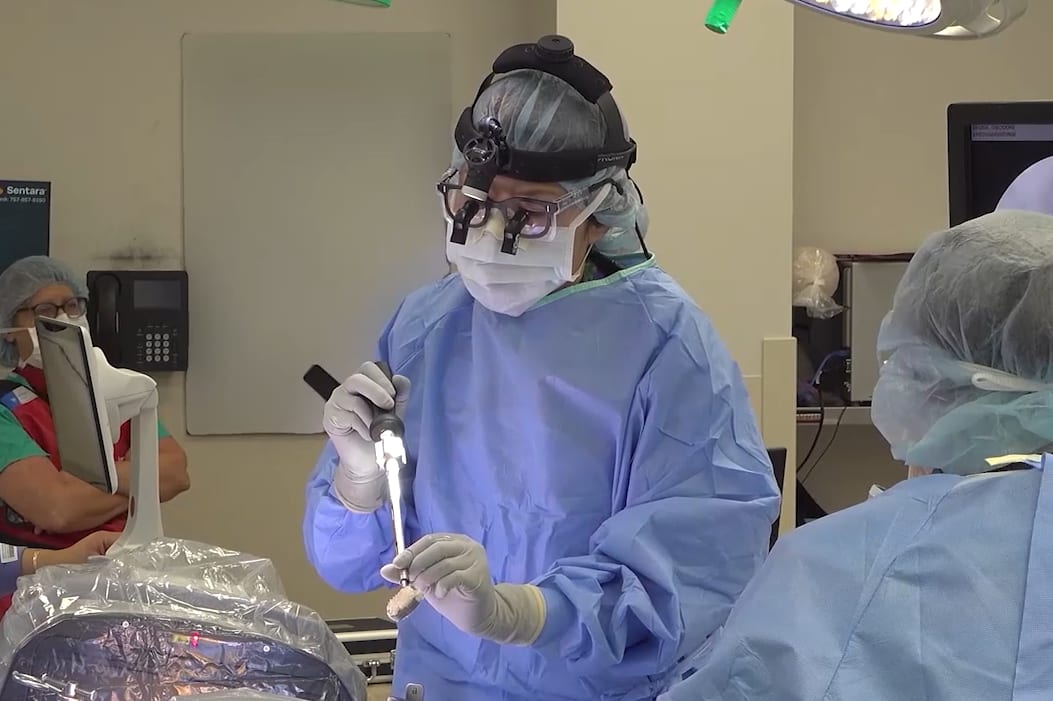
In this procedural case review, vascular surgeon Dr. Samuel Steerman and neurosurgeon Dr. Shannon Clark collaborate to perform an anterior lumbar interbody fusion (ALIF).
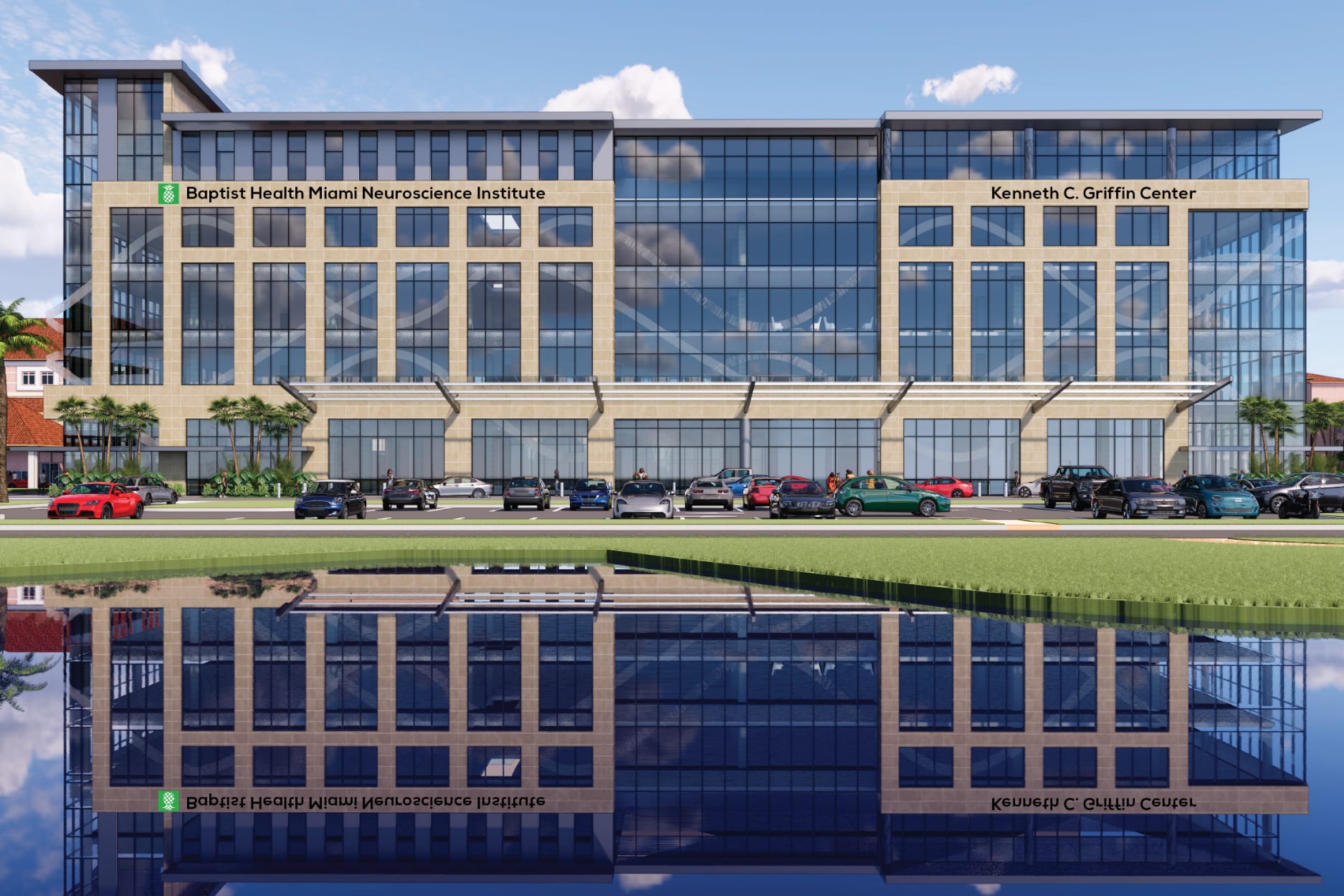
Baptist Health Foundation announced that it has received a $2 million donation from Anthony and Joyce Esernia to establish a new endowed chair at Baptist Health Miami Neuroscience Institute.