Risk factors of nasogastric tube removal failure in acute ischemic stroke patients: a 3-months follow-up cohort study at a single institute - Summary - MDSpire
Advertisement
Risk factors of nasogastric tube removal failure in acute ischemic stroke patients: a 3-months follow-up cohort study at a single institute
To identify risk factors for failure of nasogastric tube (NGT) removal at discharge and 3 months post-discharge in acute ischemic stroke patients.
Approach:
Study Design: Retrospective analysis of 290 patients admitted from January 2022 to November 2023, utilizing a standardized dysphagia evaluation protocol.
Data Collection: Data on demographics, clinical characteristics, stroke-related factors, and rehabilitation-related factors were extracted and analyzed using logistic regression.
Key Findings:
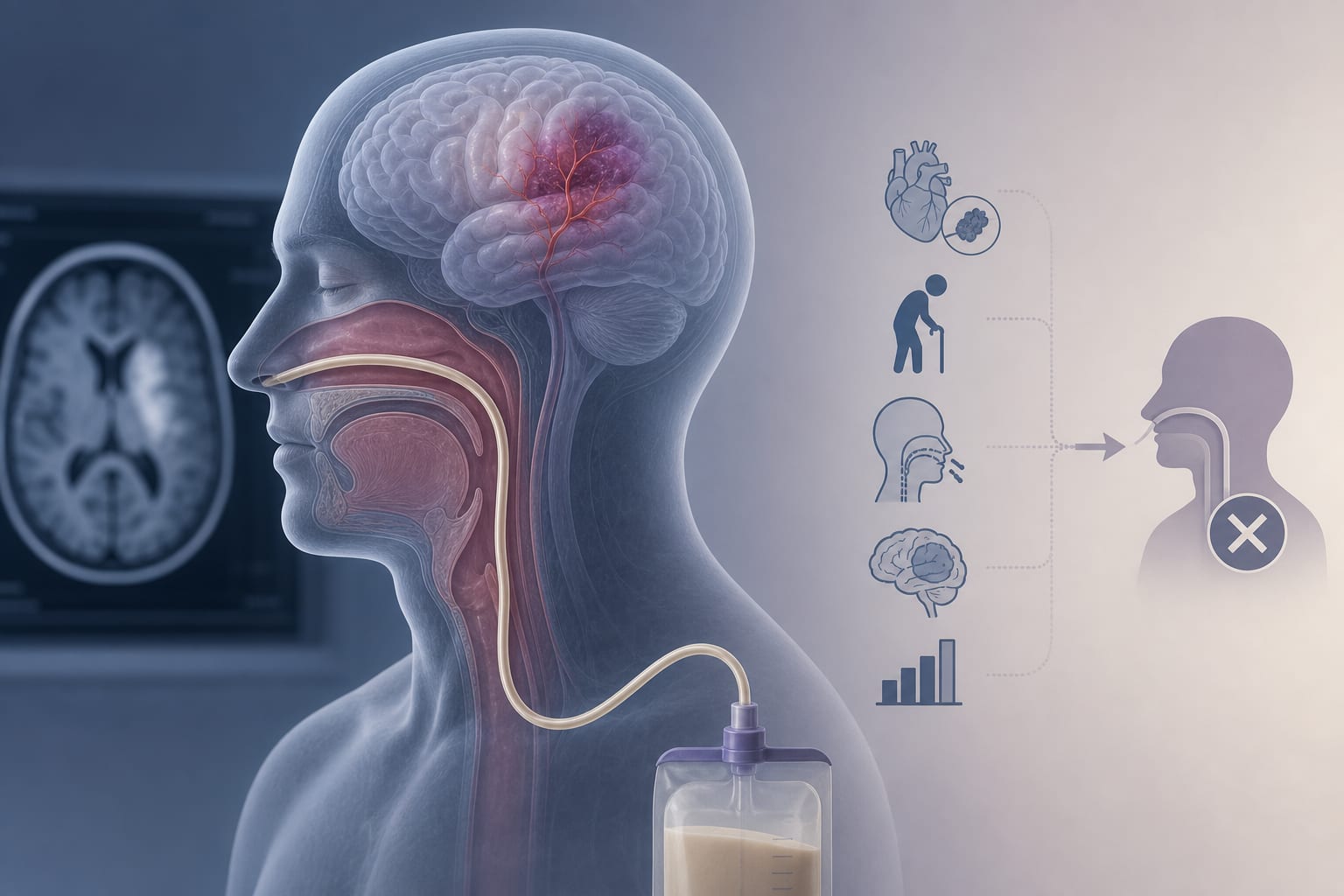
Age, pre-existing comorbidities, modified Rankin Scale score, stroke location, stroke etiology (cardioembolic type), severity, consciousness level, hand and lower limb Brunnstrom stage, ICU stay length, post-discharge rehabilitation setting, and number of speech therapy sessions during admission were statistically significant risk factors for NGT removal failure at 3 months post-discharge.
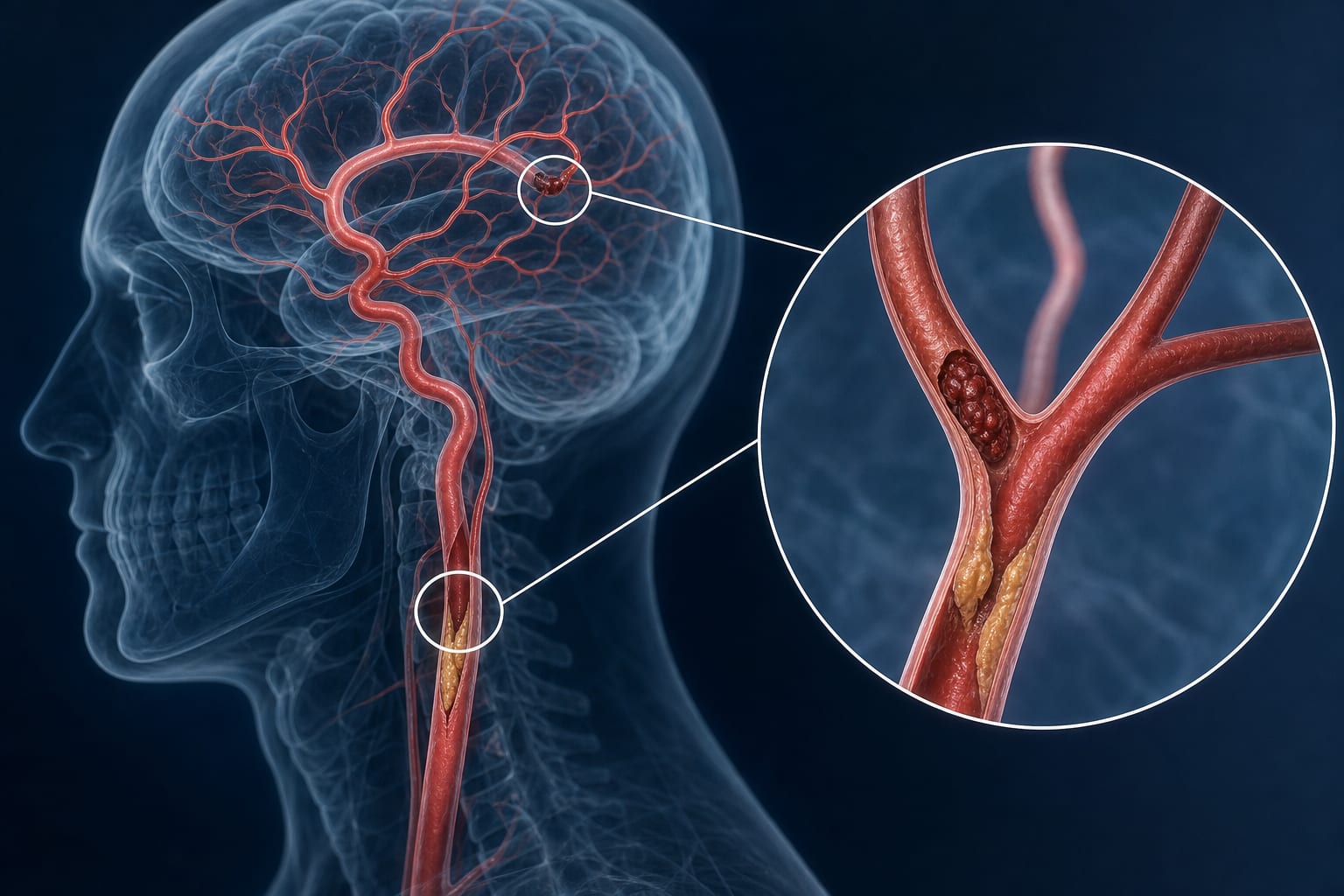
Cardioembolic stroke was identified as the most significant independent predictor of NGT removal failure (OR 10.31, p = 0.024), though with a wide confidence interval (95% CI 1.35–78.63).
Interpretation:
The findings indicate an association between functional status, stroke etiology, and NGT removal outcomes.
Limitations:
The study is retrospective and exploratory, limiting the ability to establish definitive causal relationships.
Sparse data within specific subcategories may affect the precision of findings.
Conclusion:
Further prospective research is needed to establish definitive causal relationships regarding NGT removal outcomes in stroke patients.