Prevention and management of anastomotic leakage after colorectal resection: evolving trends among Italian surgeons. A SICCR survey - Summary - MDSpire
To appraise actual clinical practice in anastomotic leakage (AL) prevention, diagnosis, and management among Italian surgeons in the early 2020s.
Approach:
Survey Design: An online questionnaire was distributed to general surgery residents and certified surgeons, focusing on AL management in elective and emergency settings.
Data Collection: Responses were collected from December 2023 to March 2024, with a total of 26 items covering various aspects of AL management.
Statistical Analysis: Data were analyzed using frequencies and percentages, with stratification based on the number of colectomies performed.
Key Findings:
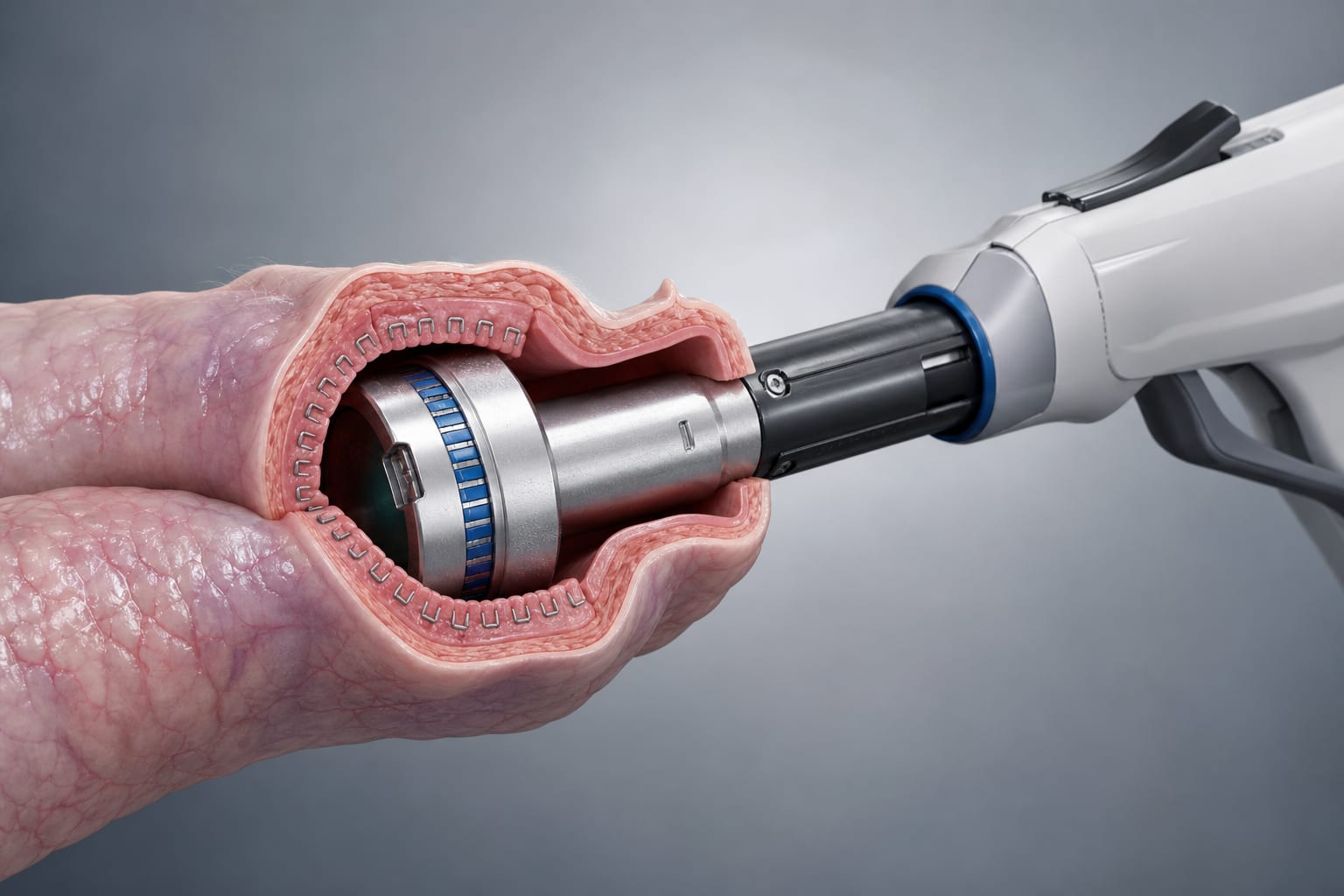
Anastomotic leakage remains a significant complication in colorectal surgery, with rates reported between 3-8%.
Factors influencing AL include surgical technique, patient comorbidities, and operative setting.
Recent advancements in techniques and management strategies have not led to a definitive reduction in AL rates.
Interpretation:
Despite the introduction of new techniques and guidelines, the management of anastomotic leakage has not significantly improved, indicating a gap between recommended practices and actual clinical behavior.
Limitations:
The survey may not fully capture the diversity of practices across all Italian hospitals.
Responses may be influenced by the self-reported nature of the survey.
Conclusion:
The survey highlights the need for improved adherence to guidelines and the adoption of effective practices in the management of anastomotic leakage.