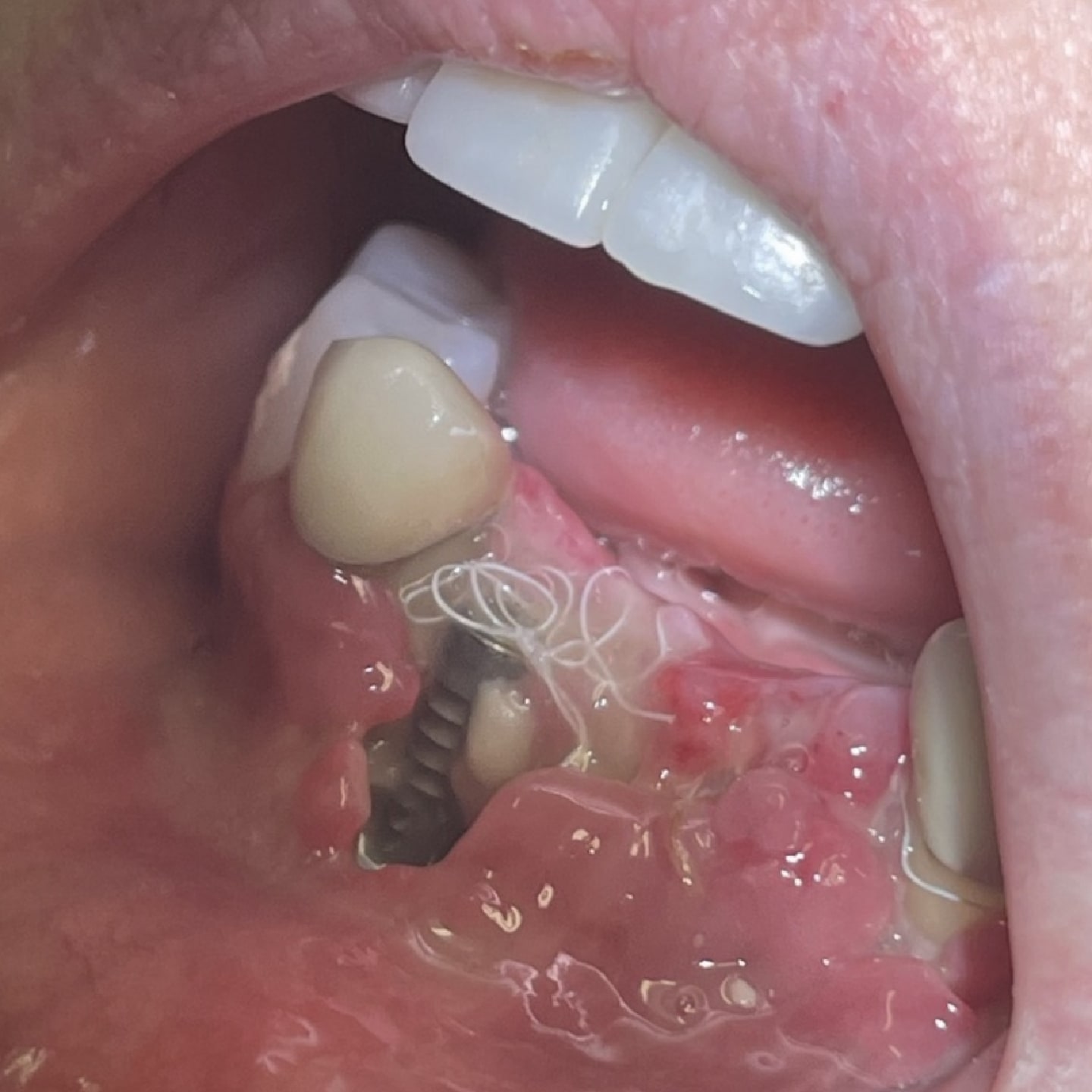
To evaluate the long-term outcomes of alveolar ridge preservation (ARP) on soft tissue morphology and correlate these outcomes with underlying bone changes.
Key Findings:
Control group showed significantly greater bone resorption in height (1.3 mm) and width (1.7 mm) compared to ARP group (0.7 mm and 1.1 mm, respectively; P < 0.001).
Soft tissue contours were significantly better in the ARP group with 50% smooth contours versus 33.3% margin disruption in the control group (P < 0.001).
ARP group achieved higher soft tissue color (7.8 ± 0.5) and morphological scores (7.7 ± 0.6) compared to control group (6.1 ± 0.6 and 5.9 ± 0.7; P < 0.001).
Interpretation:
Immediate ARP significantly reduces alveolar bone resorption and better maintains soft tissue aesthetics, providing a superior foundation for future implant rehabilitation.
Limitations:
Study not registered at ClinicalTrials.gov due to institutional requirements.
Limited to patients aged 18-60, which may affect generalizability to older populations.
Conclusion:
ARP using β-TCP and a collagen membrane demonstrates substantial clinical value in preserving bone and soft tissue aesthetics post-extraction.