Successful management of life-threatening acute pulmonary embolism during anesthesia induction for comminuted intertrochanteric fracture surgery: a case report - Summary - MDSpire
Advertisement
Successful management of life-threatening acute pulmonary embolism during anesthesia induction for comminuted intertrochanteric fracture surgery: a case report
To report the emergency management and successful recovery of an 85-year-old female who experienced acute perioperative pulmonary embolism (APE) during anesthesia induction for surgery related to a comminuted intertrochanteric fracture.
Approach:
Key Findings:
The patient had a profound hypercoagulable state identified prior to anesthesia induction.
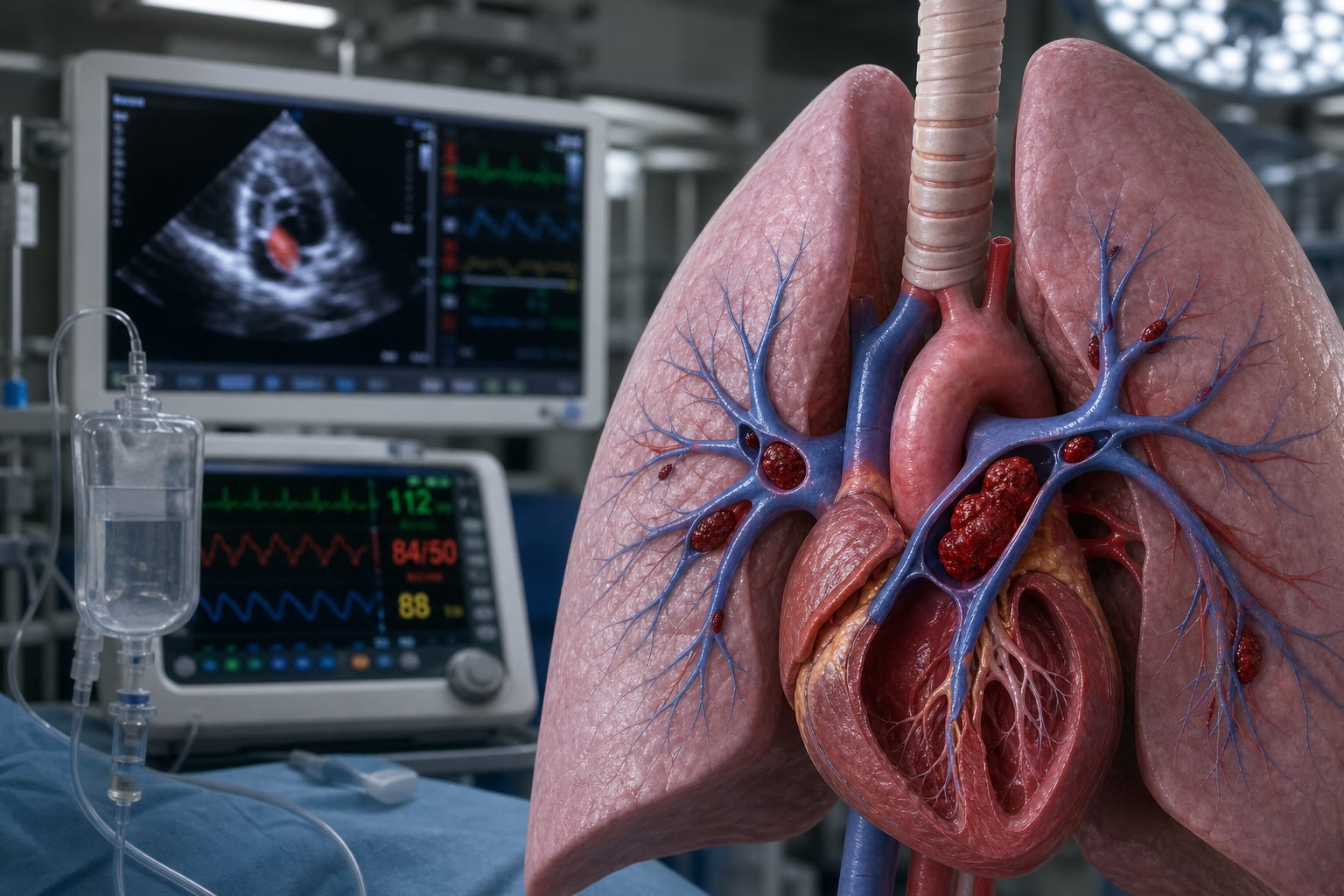
Sudden cardiovascular collapse occurred post-induction, confirmed as massive APE via echocardiography.
Emergency low-dose thrombolysis (50 mg alteplase) was successfully administered.
Interpretation:
Intraoperative ultrasound and ECG monitoring are crucial for fragile geriatric patients. Low-dose systemic thrombolysis can reverse acute obstructive shock when mechanical options are unavailable.
Limitations:
The generalizability of low-dose thrombolysis findings requires cautious interpretation due to the specific patient context and the unique circumstances of the case.
Conclusion:
The case highlights the importance of rapid intervention and monitoring in managing APE during anesthesia induction.