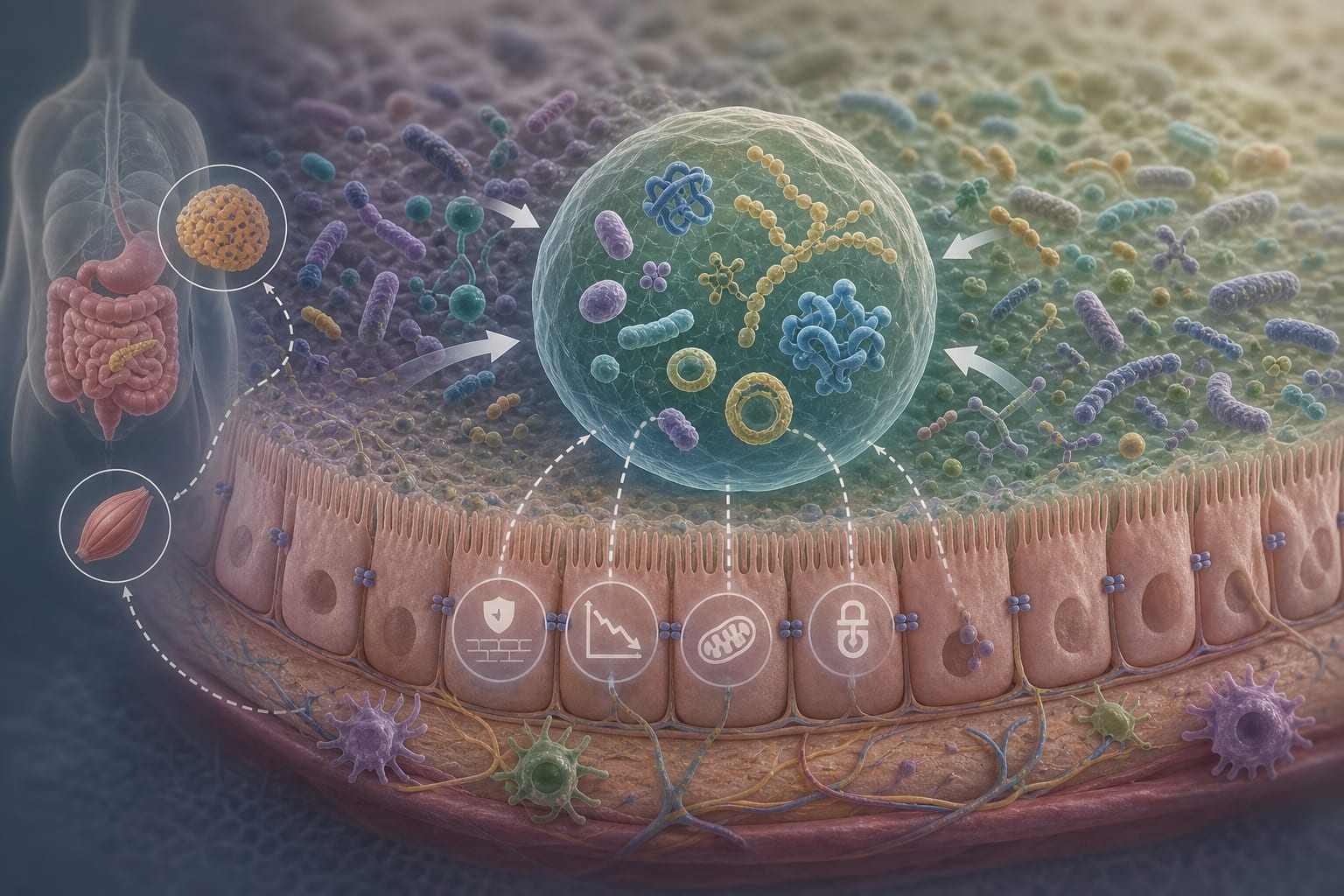
To explore the role of oxytocin (OXT) in regulating skeletal muscle plasticity and metabolism.
Approach:
Literature Review: A comprehensive review of existing literature on oxytocin signaling in skeletal muscle was conducted using databases such as PubMed, Web of Science, and Google Scholar.
Key Findings:
OXT influences myogenesis, regeneration, and protein metabolism in skeletal muscle.
Variations in circulating OXT levels are associated with changes in muscle mass, with anabolic steroids increasing OXT and aging/diabetes reducing it.
OXT activates its receptor (OXTR), engaging Gαq signaling and downstream pathways that inhibit proteolysis and stimulate protein synthesis.
Skeletal muscle synthesizes and secretes OXT, suggesting its role as a myokine.
Interpretation:
OXT may integrate local muscle signaling with systemic neuroendocrine actions, operating through autocrine, paracrine, and endocrine mechanisms.
Limitations:
Key aspects of OXT biology in skeletal muscle, including its synthesis, degradation, and secretion, remain poorly understood.
The relative contributions of local and systemic actions of OXT are unresolved.
Conclusion:
Understanding OXT's role in skeletal muscle could reveal novel regulatory mechanisms and potential therapeutic applications.