To review the impact of chemotherapy exposure on the viability of cells of origin in chemotherapy-curable malignancies.
Approach:
Key Findings:
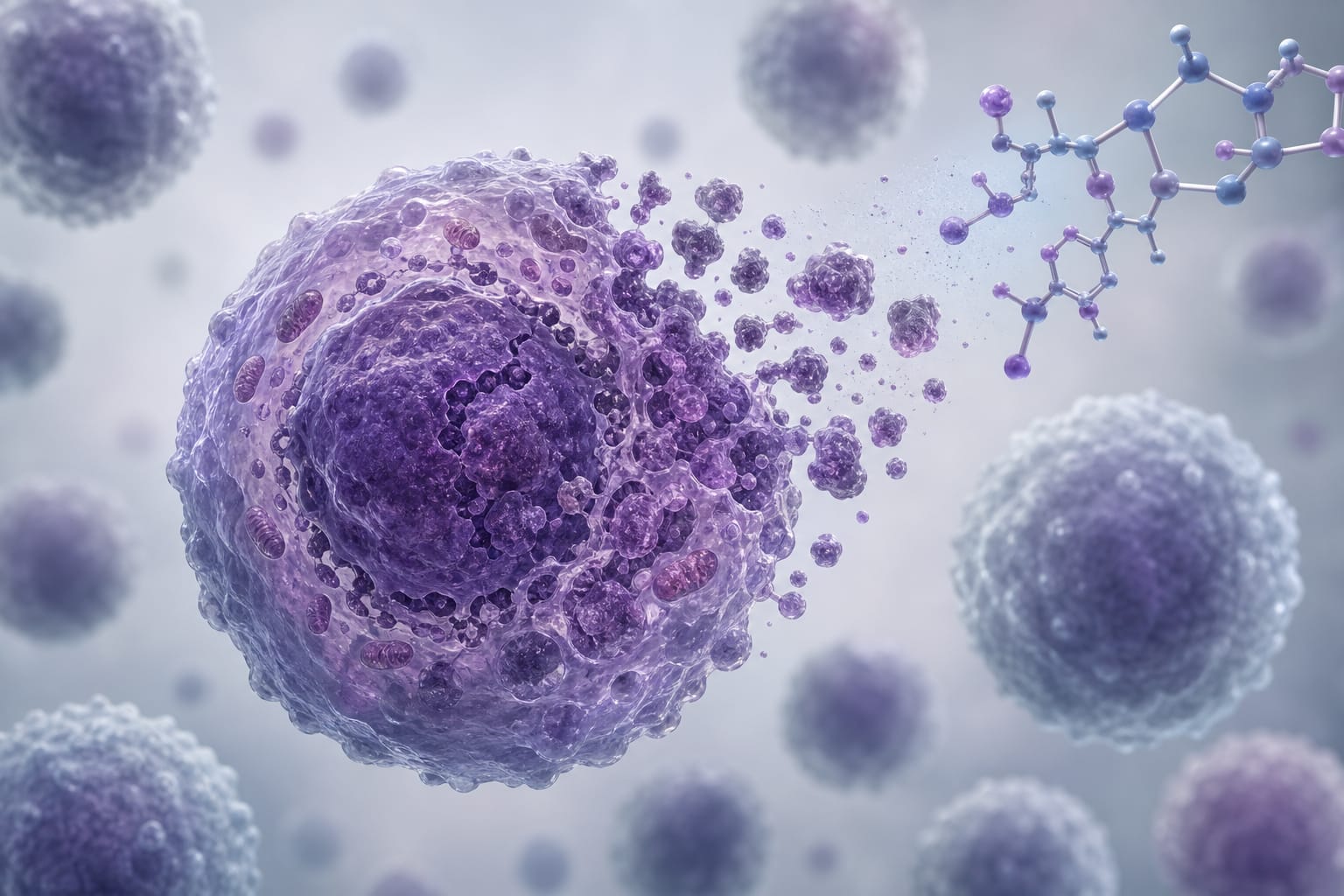
Cells of origin in chemotherapy-curable malignancies exhibit high sensitivity to cytotoxic chemotherapy.
In B-cell and T-cell acute lymphoblastic leukaemia, exposure to chemotherapy results in near total loss of pro-B cells and double-positive thymocytes within 2 days.
Germinal centre cells of origin in diffuse large B-cell lymphoma have a short half-life of approximately 6 hours.
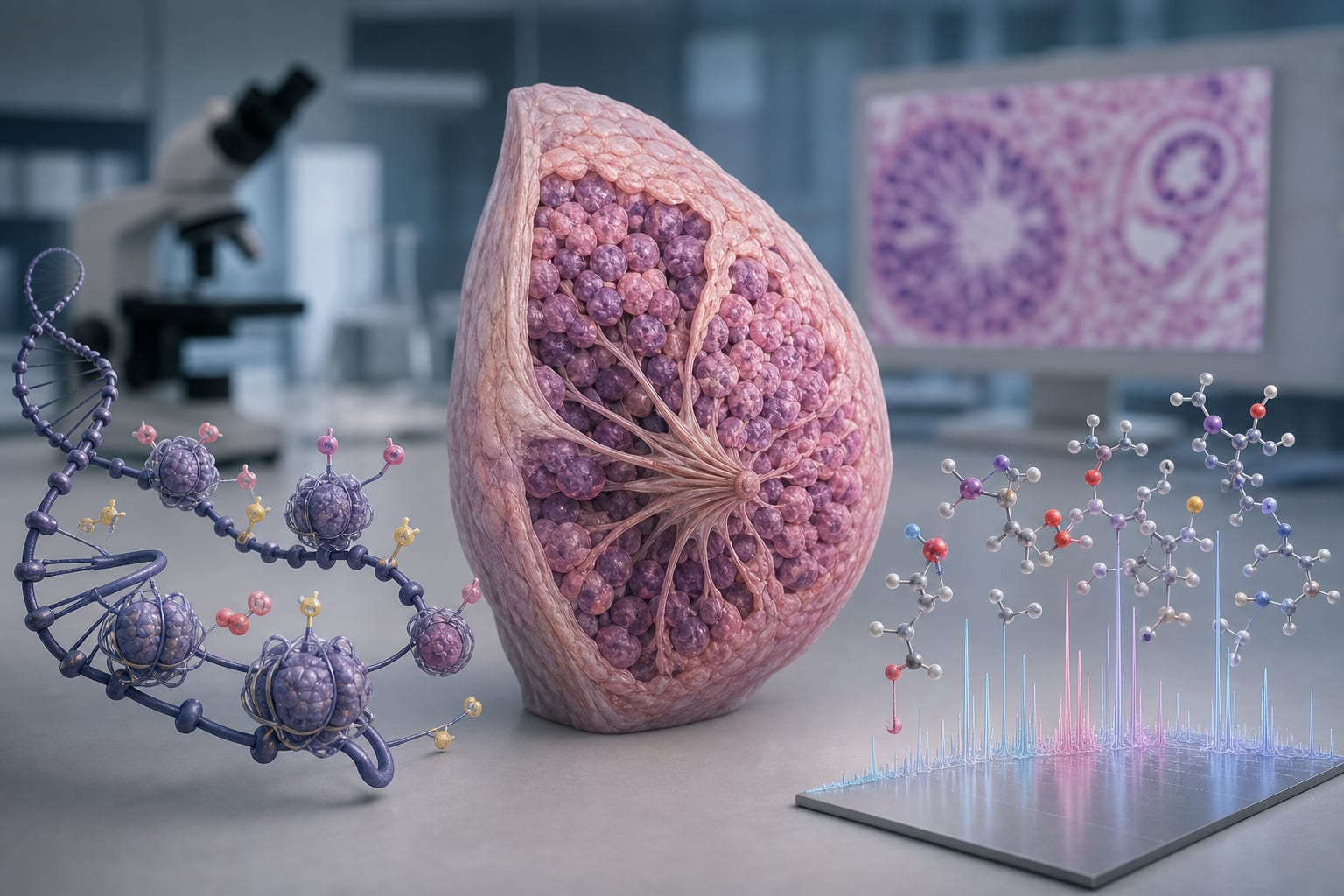
OCT4+ stem cells in testicular cancer show similar sensitivity to chemotherapy as malignant cells.
Interpretation:
Chemotherapy-curable malignancies maintain the high sensitivity of their cells of origin rather than acquiring it upon malignant transformation.
Limitations:
Cells of origin are transient and difficult to study ex vivo.
Anatomical inaccessibility limits routine characterization and experimentation.
Conclusion:
The findings suggest that the heightened sensitivity to chemotherapy in certain malignancies is linked to the intrinsic properties of their cells of origin.