To systematically review factors influencing collateral circulation formation after cerebral revascularization in moyamoya disease.
Approach:
Review of Evidence: The article reviews current evidence on factors associated with collateral circulation formation after cerebral revascularization in patients with moyamoya disease.
Key Findings:
Cerebral revascularization improves cerebral perfusion and may reduce stroke recurrence risk.
Postoperative collateral circulation formation varies significantly among individuals.
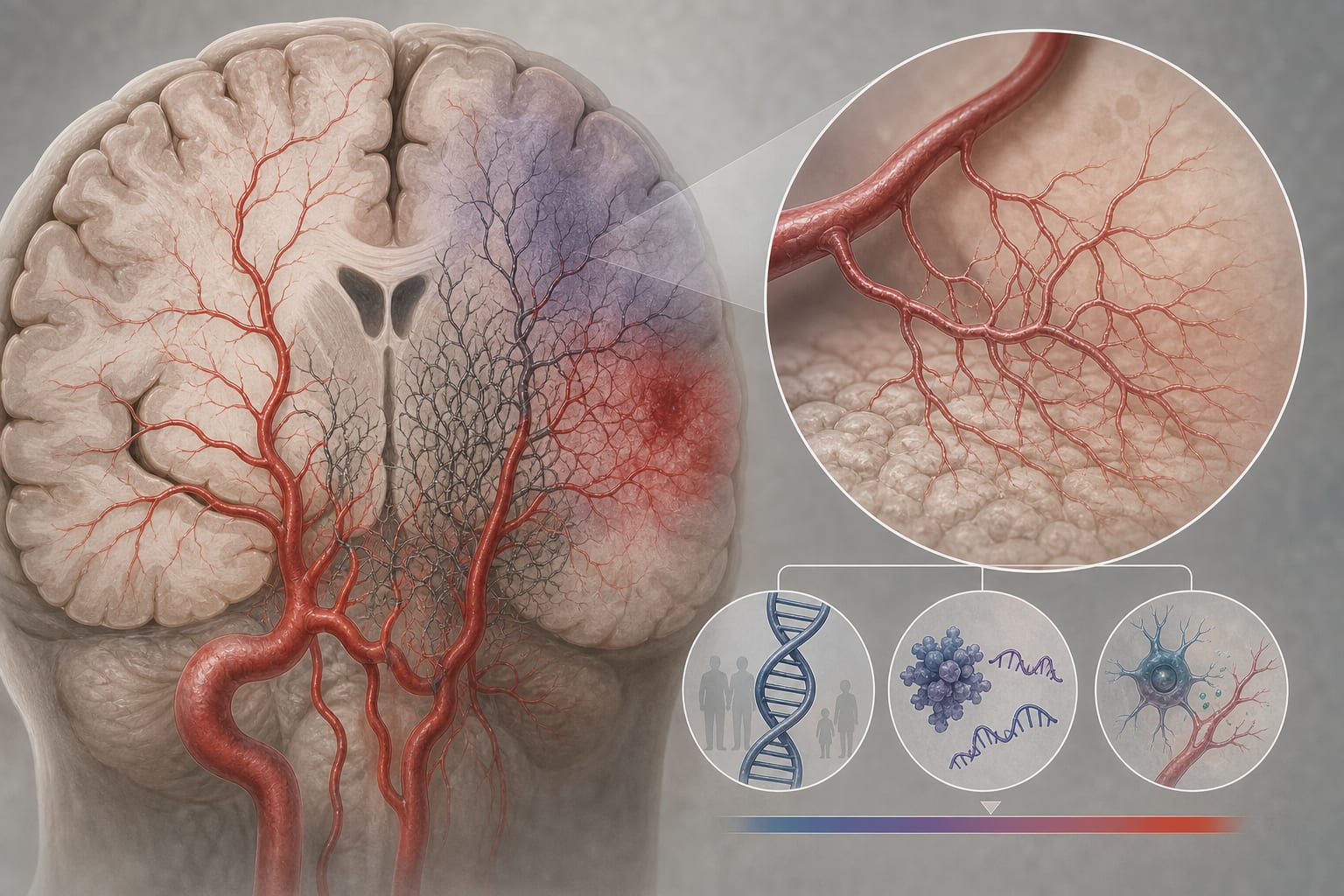
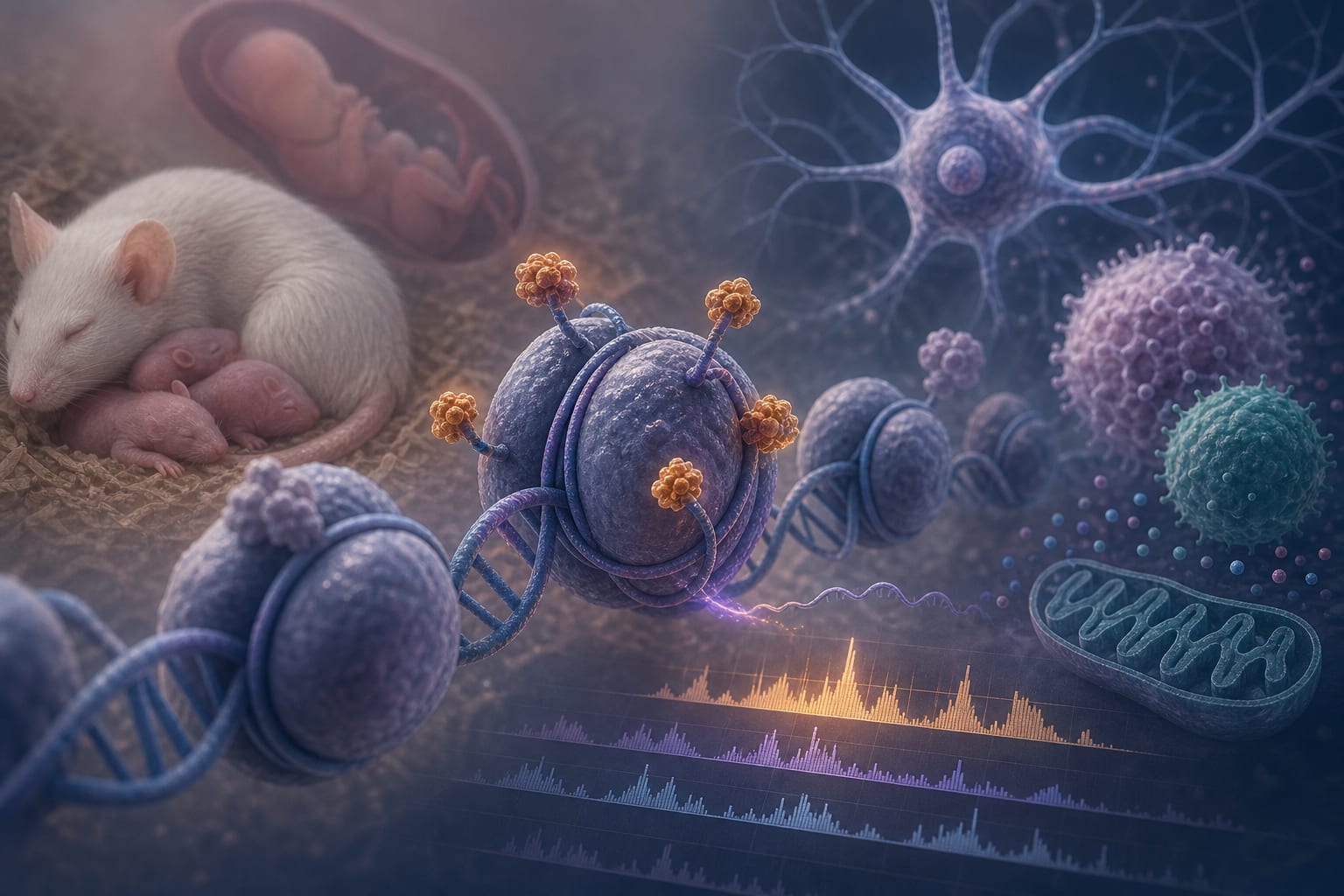
Factors influencing collateral vessel formation include genetic susceptibility (such as the RNF213 p. R4810K variant and microRNA regulation), angiogenic growth factors (such as VEGF, PDGF, and TGF-β1), soluble receptors (e.g., sTie-2), cellular components (including circulating endothelial progenitor cells and mesenchymal stem cells), structural regulators (such as Caveolin-1), and clinical variables (including surgical modality, patient age, and superficial temporal artery blood flow).
Interpretation:
Limitations:
The mechanisms influencing collateral circulation formation remain incompletely understood.
Variability in efficiency of collateral neovascularization among patients is observed.