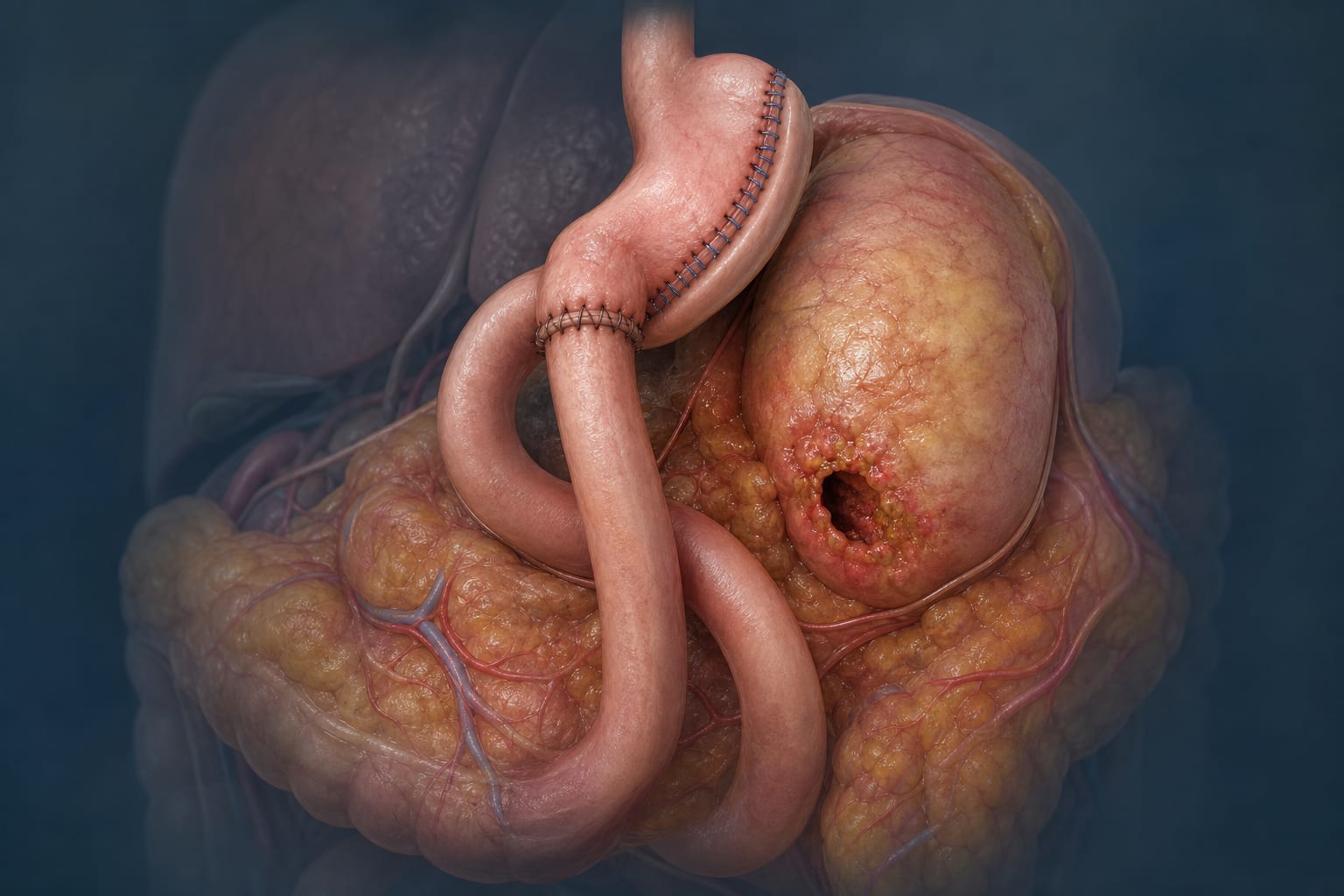
To describe how women undergoing bariatric surgery perceived contraceptive counseling and to determine patterns of contraceptive use before and after surgery, emphasizing the importance of effective counseling.
Key Findings:
563 women responded, yielding a 57% response rate.
67% of women used some form of contraception preoperatively, with 80% satisfied with their method, indicating a need for better post-surgery counseling.
Post-surgery, the use of oral contraceptives significantly declined, with only 10% still using them over a year after surgery, raising concerns about unintended pregnancies.
Intrauterine contraception remained the most common method used before and after surgery.
24.8% of women reported not receiving advice to avoid pregnancy postoperatively, highlighting a gap in counseling.
Interpretation:
The study highlights a significant decline in oral contraceptive use after gastric bypass and indicates gaps in contraceptive counseling for women post-surgery, suggesting a need for further investigation into the reasons behind this decline.
Limitations:
Self-reported data may introduce bias, potentially affecting the reliability of contraceptive use reports.
The study may not represent all women undergoing bariatric surgery due to the response rate, limiting generalizability.
Conclusion:
There is a need for improved contraceptive counseling for women undergoing gastric bypass to prevent unintended pregnancies, with specific recommendations for counseling practices.