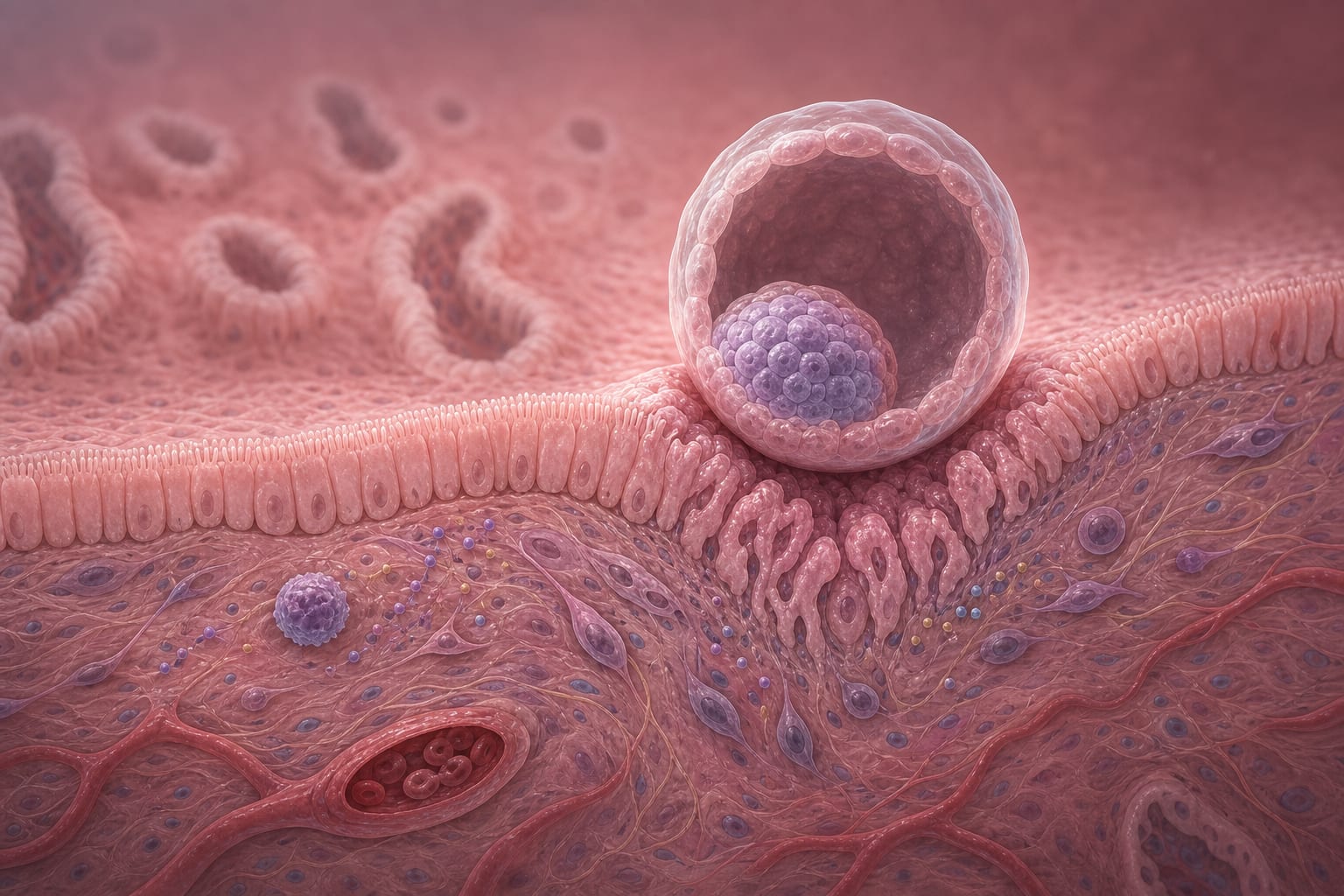
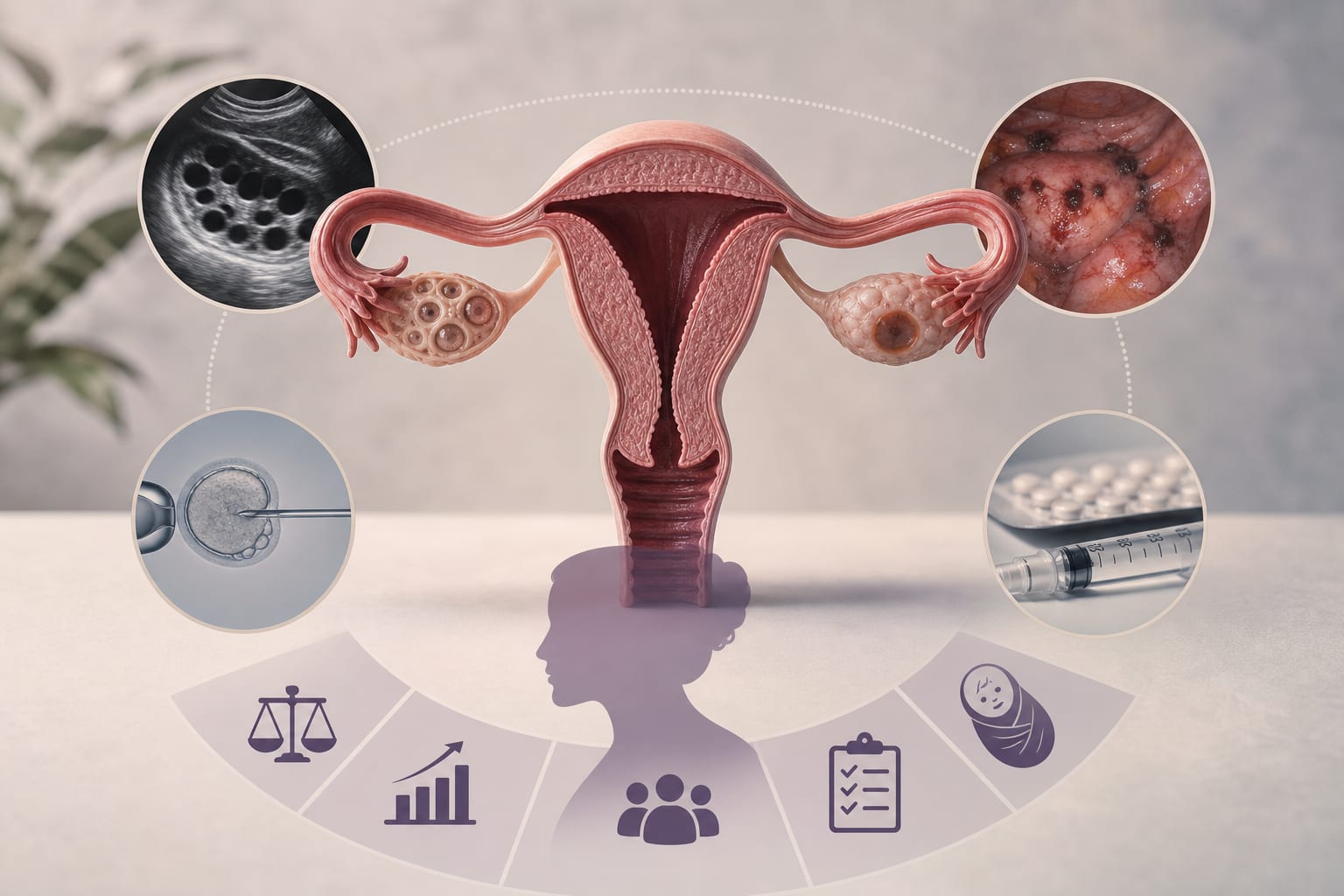
To explore the molecular and cellular mechanisms by which endometrial dysfunction impairs embryo implantation and to review current therapeutic interventions aimed at improving endometrial function, including specific treatments such as PRP and G-CSF.
Key Findings:
Endometrial dysfunction is a major factor in recurrent implantation failure and infertility.
Key pathogenic drivers include cellular senescence, chronic inflammation, iatrogenic injury, endometriosis, and microbiome dysbiosis.
Common mechanistic pathways affected by these drivers include decidualization impairment, immune dysregulation, epigenetic alterations, and mechanosensing defects.
Intrauterine platelet-rich plasma (PRP) infusion shows promise but requires further validation in large trials.
Other therapies like G-CSF, PBMCs, growth hormone, and stem cell-based therapies also show potential but need more rigorous studies.
Interpretation:
The review provides a theoretical foundation for understanding the relationship between endometrial dysfunction and embryo implantation failure, alongside a practical reference for clinical treatment strategies.
Limitations:
The review highlights the need for large, standardized, head-to-head randomized trials to confirm the efficacy of proposed interventions.
Evidence limitations were noted for various therapeutic strategies, particularly those with limited published data, including the need for more robust study designs.
Conclusion:
The synthesis of current knowledge on endometrial dysfunction and its impact on embryo implantation offers insights for personalized clinical approaches and highlights the need for further research to validate these findings.