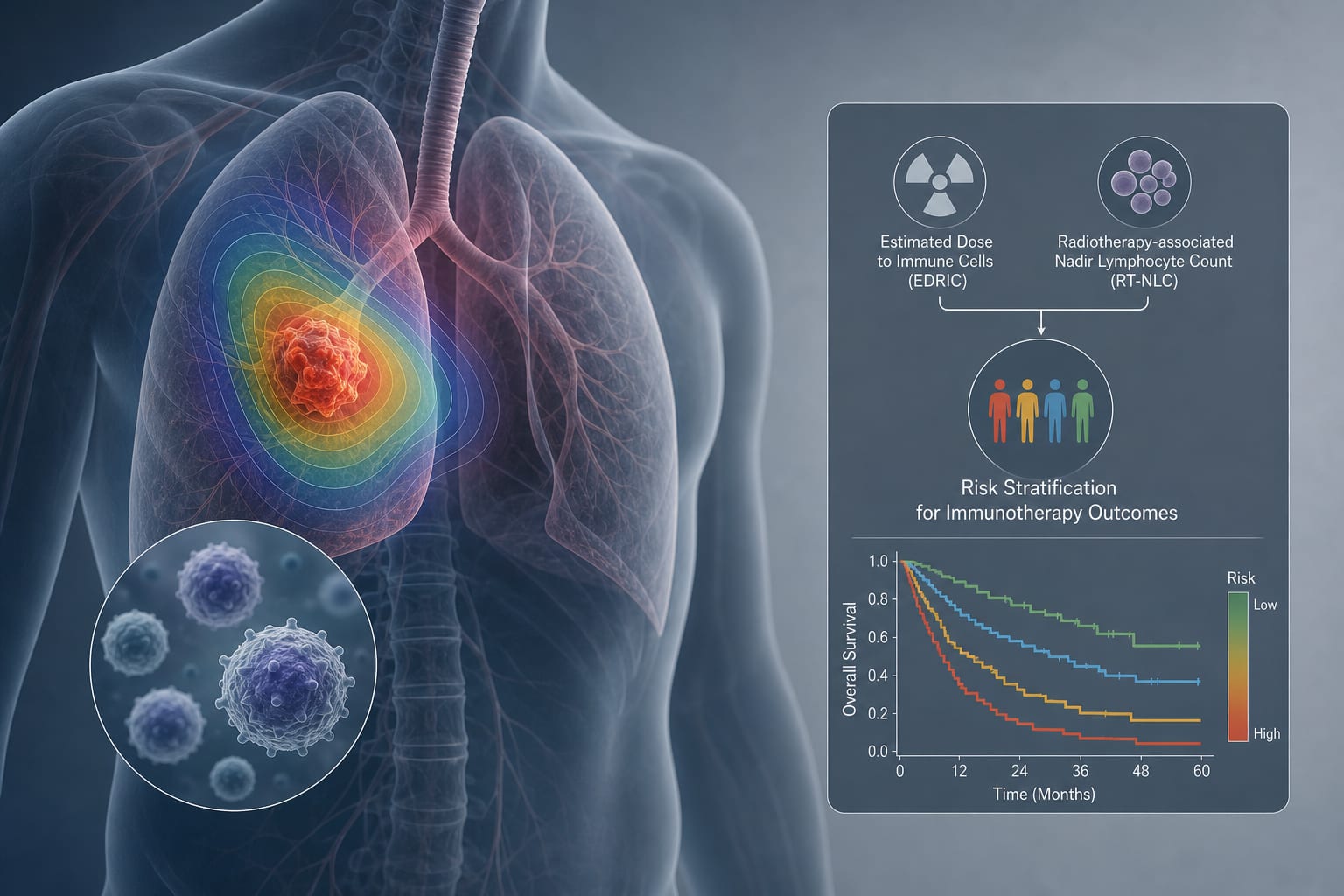
To systematically evaluate ICI efficacy and safety profiles concerning renal and multi-organ outcomes in cancer patients, focusing on underlying mechanisms and protective interventional approaches.
Approach:
Literature Search: Comprehensive systematic literature search across multiple databases (PubMed, Cochrane Library, Embase, Web of Science, Scopus) from January 2000 to December 2025.
Narrative Synthesis: Integration of evidence from diverse study designs to generate mechanistic hypotheses and clinical insights, rather than estimating pooled effect sizes.
Quality Appraisal: Structured study selection and quality appraisal using established tools (Cochrane RoB 2.0, ROBINS-I, GRADE) to enhance transparency and evaluate evidence certainty.
Key Findings:
ICIs are associated with acute kidney injury, particularly acute tubulointerstitial nephritis.
Multi-organ immune-related adverse events (irAEs) include myocarditis.
Mechanistic investigations highlight PD-1/PD-L1 pathway disruption, metabolic dysregulation, and immune cell heterogeneity as central pathways.
Tumor immunotherapy significantly impacts renal and multi-organ homeostasis, with moderate-certainty evidence supporting the need for immune microenvironment-targeted protective strategies.
Existing literature predominantly focuses on isolated organ systems, lacking a holistic perspective.
Variable efficacy of glucocorticoids remains unexplained at a molecular level.
Conclusion:
Future investigations should prioritize biomarker-guided precision approaches to balance efficacy and safety considerations, with a focus on tissue-specific immune microenvironment interactions.