To explore the role of prehabilitation in optimizing the physical, nutritional, and psychological condition of cancer patients before treatment.
Approach:
Prehabilitation Definition: Prehabilitation is the systematic optimization of patients’ conditions before cancer treatment.
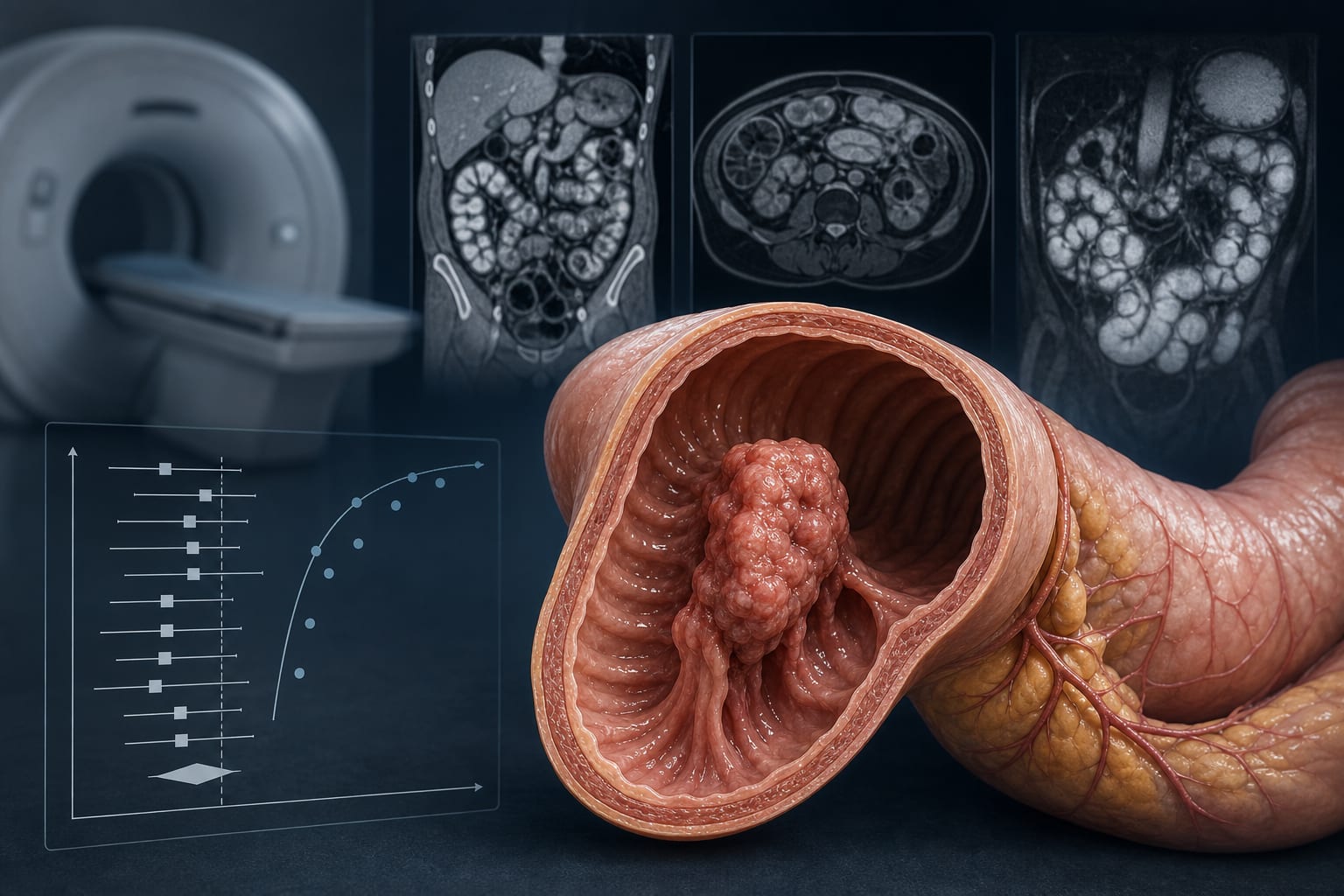
Evidence Base: A network meta-analysis and various trials provide evidence on the effectiveness of prehabilitation in reducing complications and improving recovery.
Challenges and Barriers: Institutional funding and access disparities, especially in low-income regions, hinder the implementation of prehabilitation.
Key Findings:
Preoperative functional capacity predicts postoperative outcomes across cancer types.
Only 21% of hospitals offer prehabilitation to all cancer patients.
Prehabilitation may reduce complications and improve recovery, but overall certainty of benefit is low.
Higher-risk patients, such as those with frailty or malnutrition, may benefit most from prehabilitation.
Interpretation:
The evidence supports supervised, multimodal prehabilitation for high-risk surgical cancer patients, but the findings are complex and implementation challenges remain.
Limitations:
Most trials have focused on high-income settings, limiting generalizability.
Evidence for prehabilitation in non-surgical oncology contexts is underdeveloped.
Conclusion:
Further research is needed to refine prehabilitation programs and ensure equitable access across diverse healthcare settings.