Conexiant’s news site is now MDSpire News. Learn more
Advertisement
Innovative, Minimally Invasive Treatment for Drug-Resistant Epilepsy
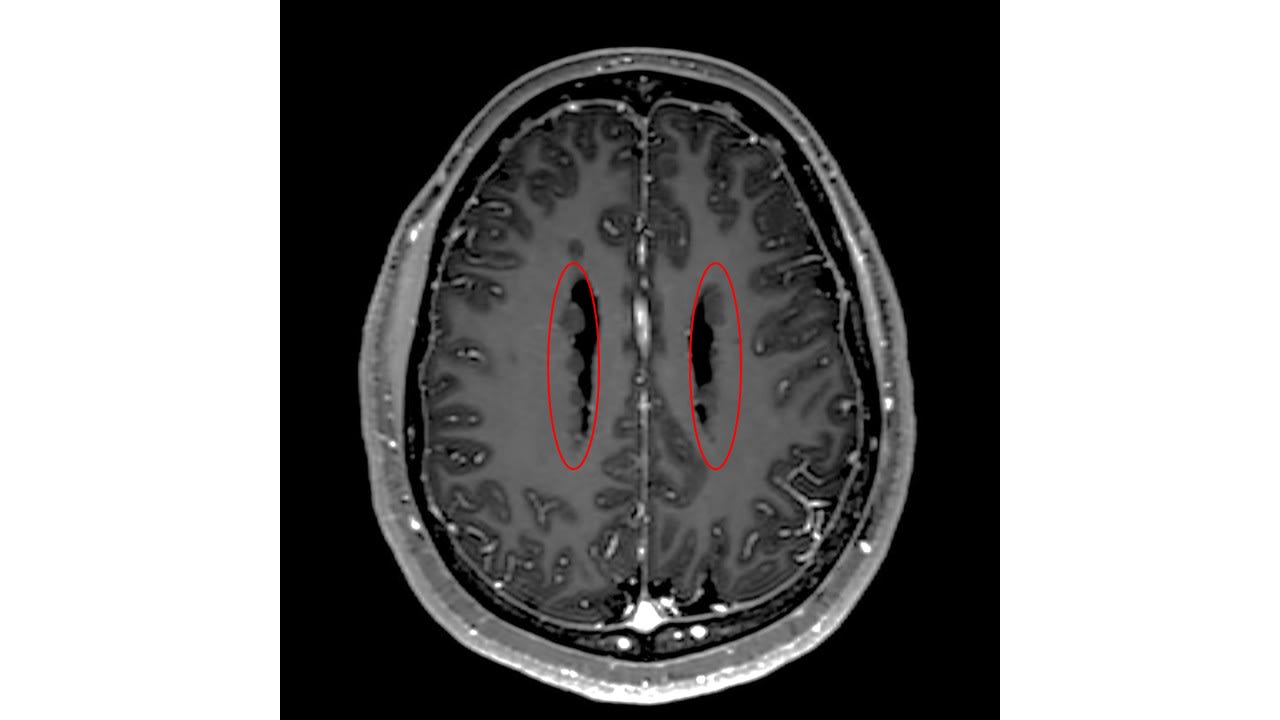
Epilepsy remains a life-altering condition, particularly due to the unpredictable nature of seizures and their cumulative impact on cognition, independence and quality of life.
To highlight a case of drug-resistant epilepsy and the application of a minimally invasive treatment approach, emphasizing its significance in improving patient outcomes.
Key Findings:
The patient achieved sustained seizure freedom after RF-TC, significantly improving her quality of life.
Multidisciplinary collaboration is essential for optimal outcomes in complex epilepsy cases, allowing for individualized treatment strategies.
Minimally invasive techniques like RF-TC are underutilized despite their effectiveness, highlighting a need for increased awareness and integration into clinical practice.
Interpretation:
The case illustrates the potential of advanced, minimally invasive treatments in managing drug-resistant epilepsy, emphasizing the need for timely referrals to specialized centers to improve patient outcomes.
Limitations:
The adoption of RF-TC and similar techniques is limited by awareness and integration into clinical practice, with specific challenges in standardizing treatment and predicting outcomes in complex cases.
Conclusion:
Innovative approaches in epilepsy care, including minimally invasive techniques, are transforming treatment options for patients with drug-resistant epilepsy, highlighting the importance of early referral to specialized centers for optimal care.