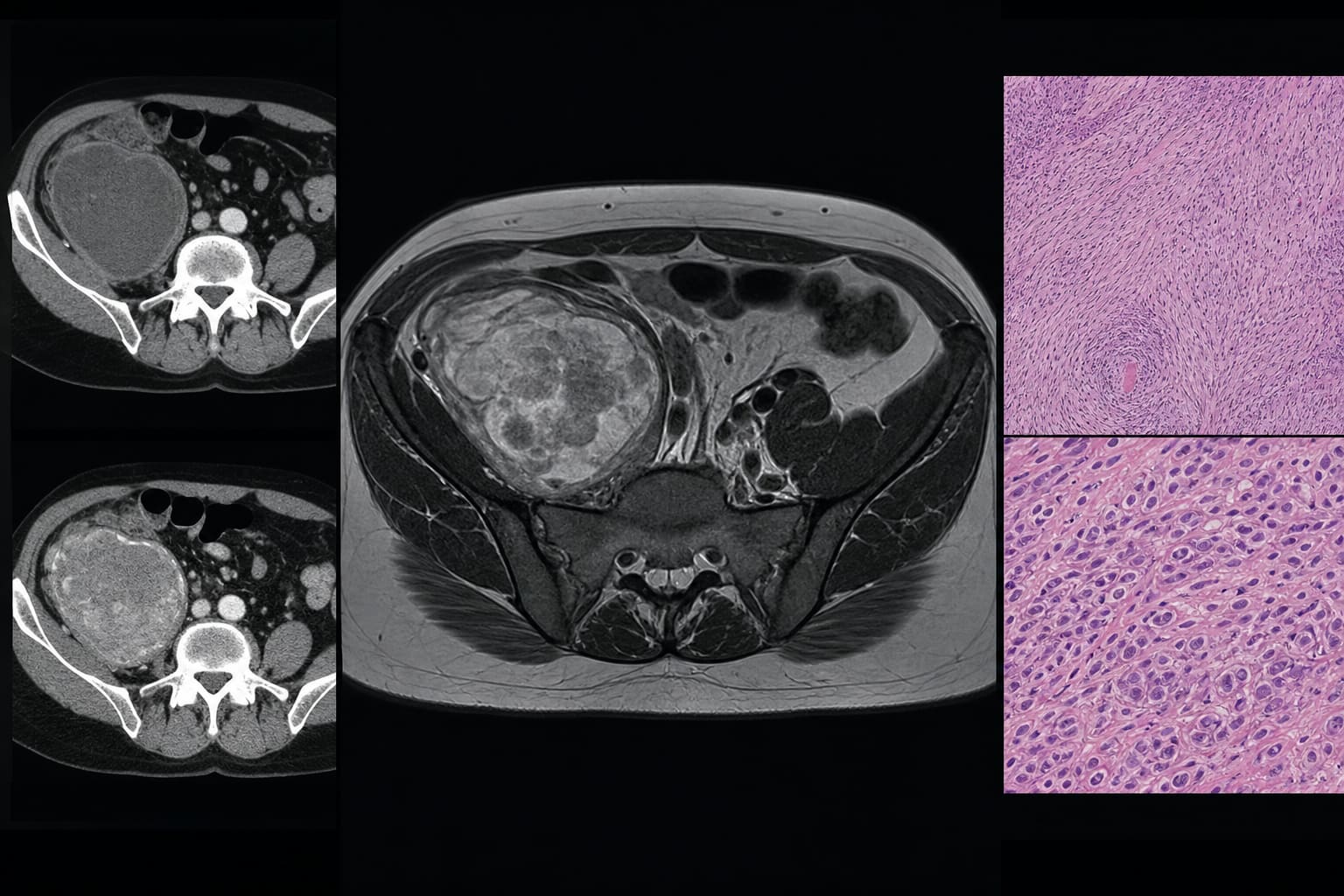
To summarize imaging features associated with molecular and pathological subtypes of hepatocellular carcinoma (HCC) and their relevance to clinical practice, emphasizing the role of imaging in therapeutic decision-making.
Key Findings:
Proliferative HCCs are associated with chronic HBV infection and worse clinical outcomes, highlighting the need for aggressive management.
Non-proliferative HCCs are linked to alcohol-related liver disease and have better prognoses, suggesting different treatment approaches.
The relationship between molecular and pathological classifications is not fully established, indicating a gap in current understanding that needs addressing.
Interpretation:
Understanding imaging features related to HCC subtypes may enhance noninvasive prognostication and treatment predictions, aiding individualized management and improving patient outcomes.
Limitations:
Invasive tissue sampling is often required for accurate subtype classification, which can delay treatment.
Current imaging methods may not fully capture the complexity of HCC heterogeneity, potentially leading to misclassification.
Conclusion:
Integrating imaging features with molecular and pathological classifications could improve HCC management, but further research is urgently needed to clarify these relationships and enhance clinical application.