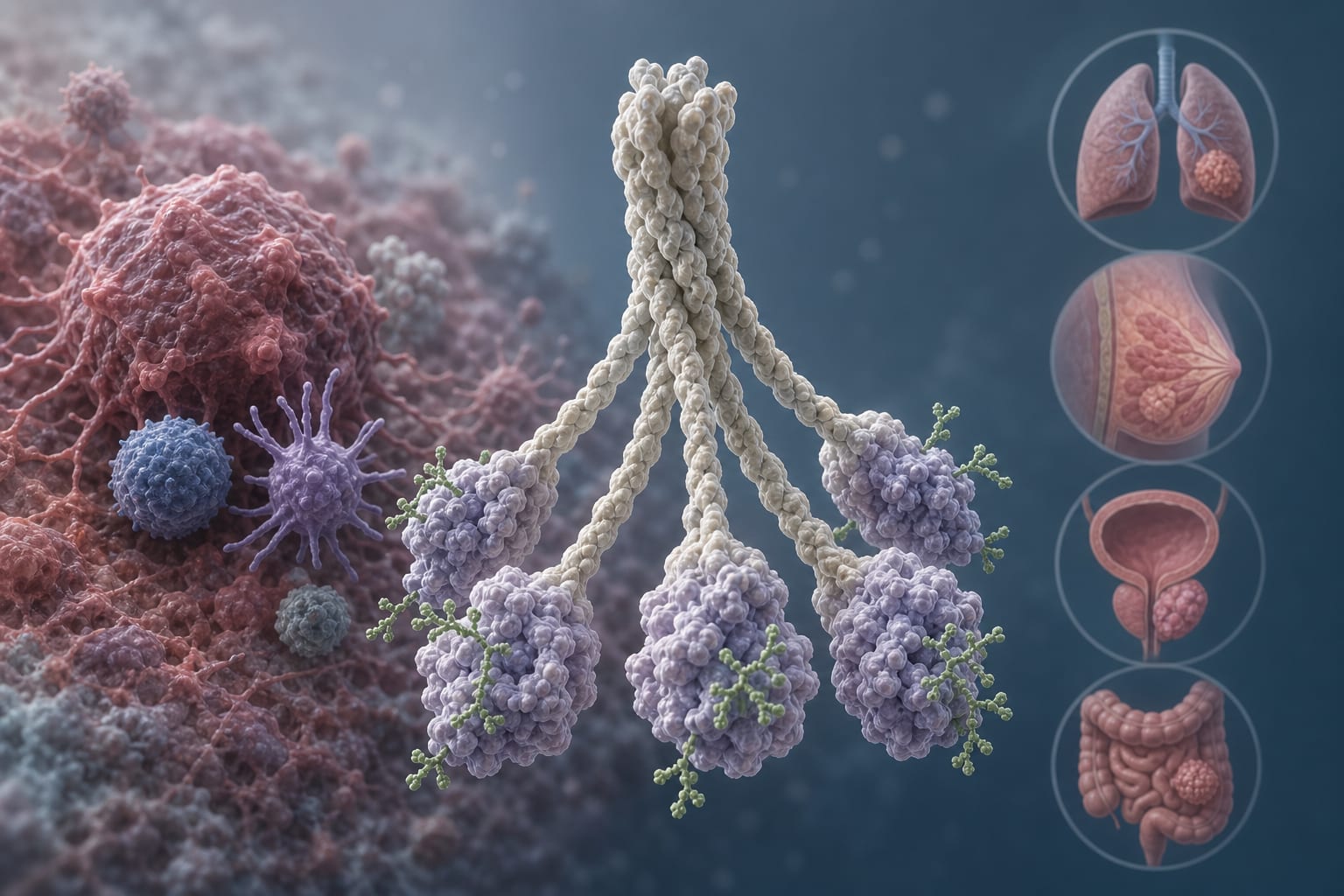
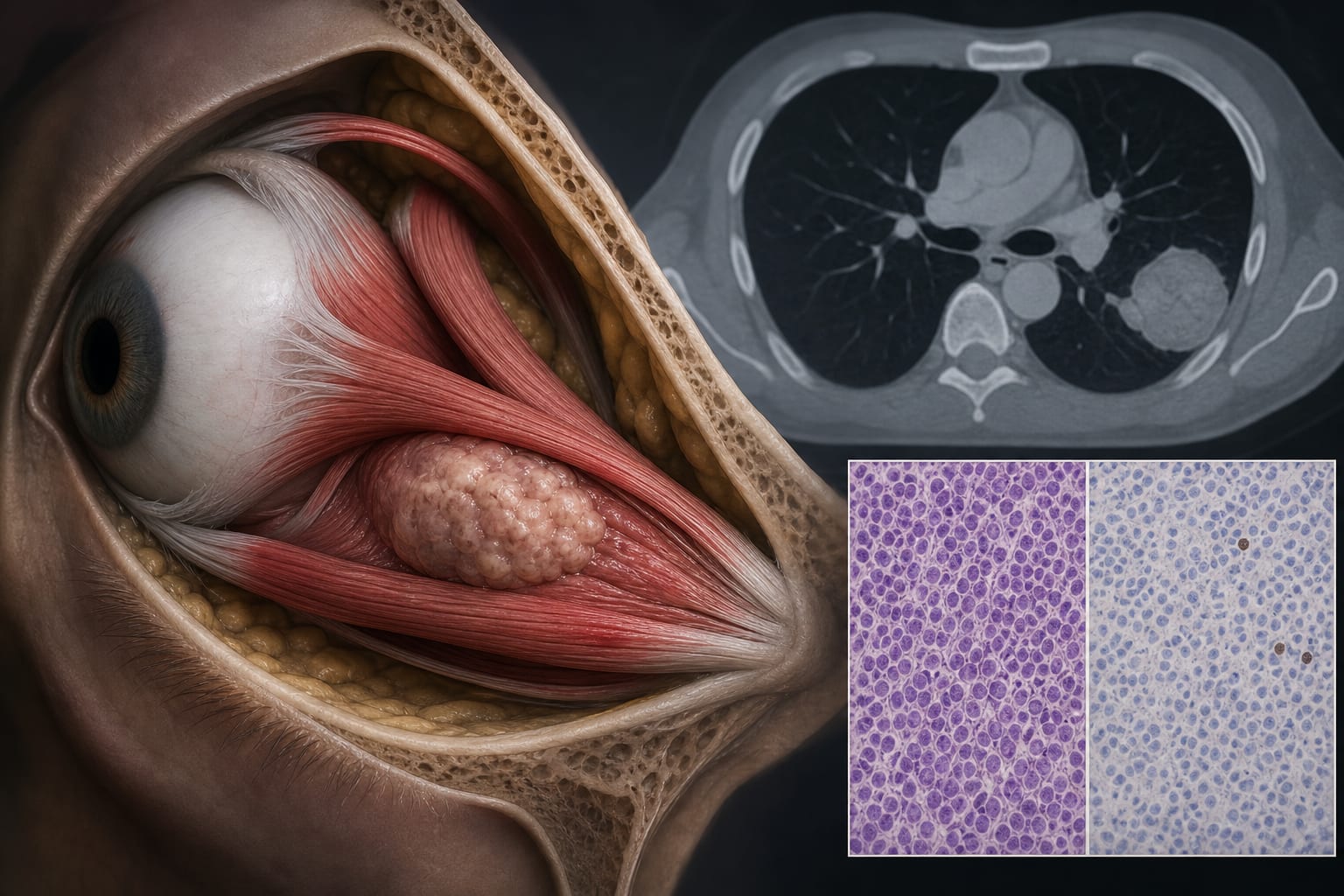
To discuss the role of surfactant protein D (SP-D) as a prognostic marker in various cancers and explore its therapeutic potential.
Approach:
Role in Cancer: Examined differential expression of SP-D in lung adenocarcinoma and metastases, and its implications for diagnosis and prognosis.
Therapeutic Potential: Investigated the direct anti-tumor effects of SP-D in various cancer types, including its mechanisms of action.
Prognostic Marker: Discussed SP-D levels in serum and bronchoalveolar lavage for lung cancer diagnosis and risk assessment.
Key Findings:
SP-D is differentially expressed in lung adenocarcinoma and metastases, indicating its potential as a diagnostic and prognostic marker.
SP-D exhibits direct anti-tumor effects in various cancers, including leukemia, breast cancer, gastrointestinal, pancreatic, ovarian, and prostate cancers.
SP-D interacts with the Epidermal Growth Factor Receptor and induces apoptosis through intrinsic pathways.
Interpretation:
SP-D plays a significant role in cancer biology, with potential applications in diagnosis and therapy.
Limitations:
The review does not provide extensive clinical trial data to support therapeutic applications of SP-D.
Further research is needed to fully understand the mechanisms of SP-D in different cancer types.
Conclusion:
SP-D has multifaceted roles in cancer biology, serving as both a prognostic marker and a potential therapeutic agent.