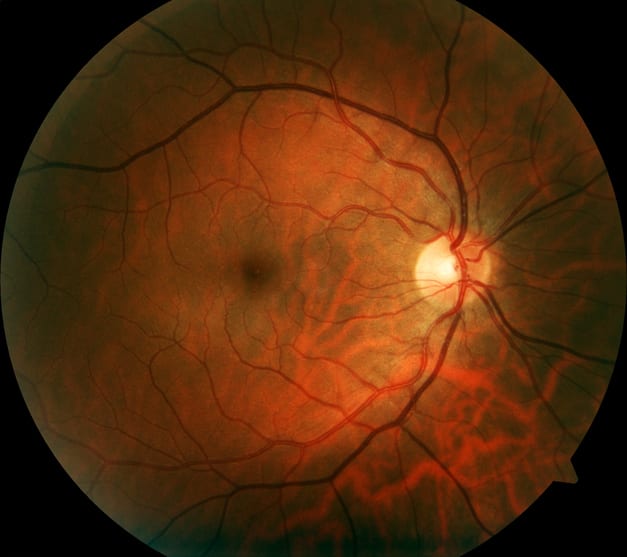
To highlight the challenges of diabetes complications and explore innovative solutions for better management and prevention, emphasizing the critical need for advancements in treatment strategies.
Key Findings:
The TyG index is a promising biomarker for cardiovascular risk in type 2 diabetes, as demonstrated by recent studies.
A multimodal framework for diabetic kidney disease could enhance personalized management, integrating digital phenotypes and clinical biomarkers.
Innovative therapies for diabetic retinopathy, such as dexamethasone implants, show potential for improved outcomes.
Machine learning can aid in early detection of diabetic neuropathy, enhancing clinical decision-making.
Standardized assessment methods for diabetic sarcopenia are needed to improve awareness and management.
Interpretation:
The editorial underscores the complexity of diabetes complications and the necessity for innovative, personalized approaches to improve patient outcomes.
Limitations:
The studies may have varying methodologies and sample sizes, affecting generalizability; for instance, some studies may not be representative of diverse populations.
Emerging technologies like machine learning require further validation in clinical settings to ensure reliability and effectiveness.
Conclusion:
Addressing diabetes complications through innovative research and integrated management strategies is crucial for reducing the disease's long-term impact.