Spectroscopy Roundup: Hidden Structure and Sharper Signals
From carbon defects and milliliter-scale gas sensing to proton-transfer dynamics and machine-learned spectra, spectroscopy delivers sharper structural readouts
To clarify the structural origins of defect peaks in high-temperature carbon materials and enhance Raman sensitivity for gas detection.
Approach:
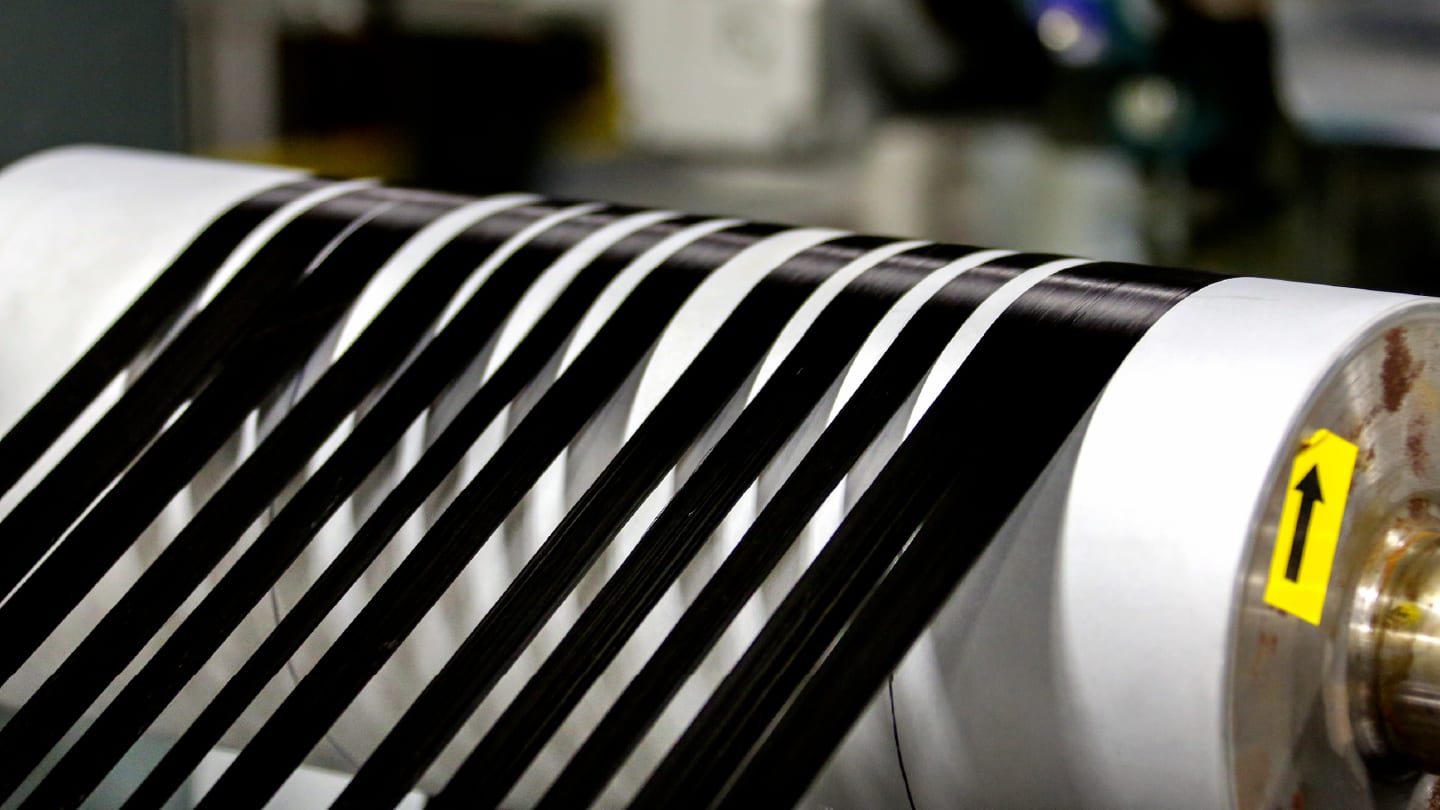
Carbon Defects Study: Combined experimental Raman, infrared, and XPS measurements with density functional theory calculations on isotropic pitch-based carbon fiber.
Raman Cavity Development: Developed an asymmetric hollow-core fiber cavity to enhance Raman sensitivity for detecting multiple gas species from milliliter-scale samples.
Hafnium Chloride Scintillator: Created a scintillator screen using hafnium chloride to improve brightness and sharpness in indirect X-ray imaging.
Key Findings:
The 285 eV XPS feature in carbon fibers is linked to carbon atoms surrounded by three rings, including non-hexagonal defects.
Raman spectra indicate that peaks between 1500 and 1550 cm−1 are influenced by nearby non-hexagonal rings and oxygen-containing groups.
The Raman cavity design increased signal sensitivity by 170-fold compared to hollow-core fiber alone.
The hafnium chloride scintillator achieved a light yield of 56,563 ± 1,250 photons/MeV with minimal blurring.
Interpretation:
The findings provide a clearer understanding of defect structures in carbon materials and enhance detection capabilities in spectroscopy.
Conclusion:
The studies advance the understanding of carbon defect structures and improve spectroscopic techniques.
Researchers linked several pregnancy urinary biomarkers—especially plasticizer and combustion-related chemical metabolites—to small shifts in gestational age and fetal growth measures in the ECHO Cohort.