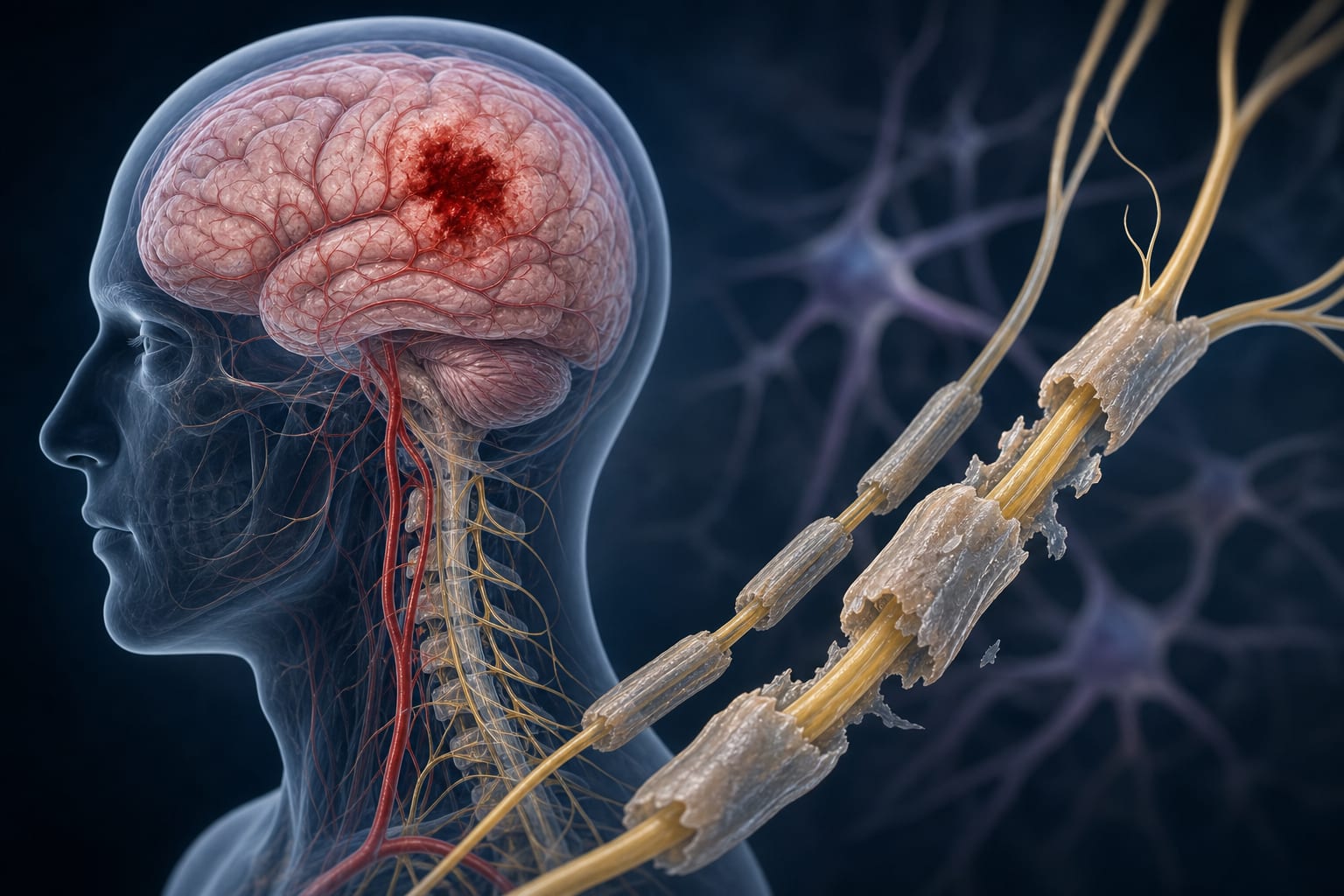
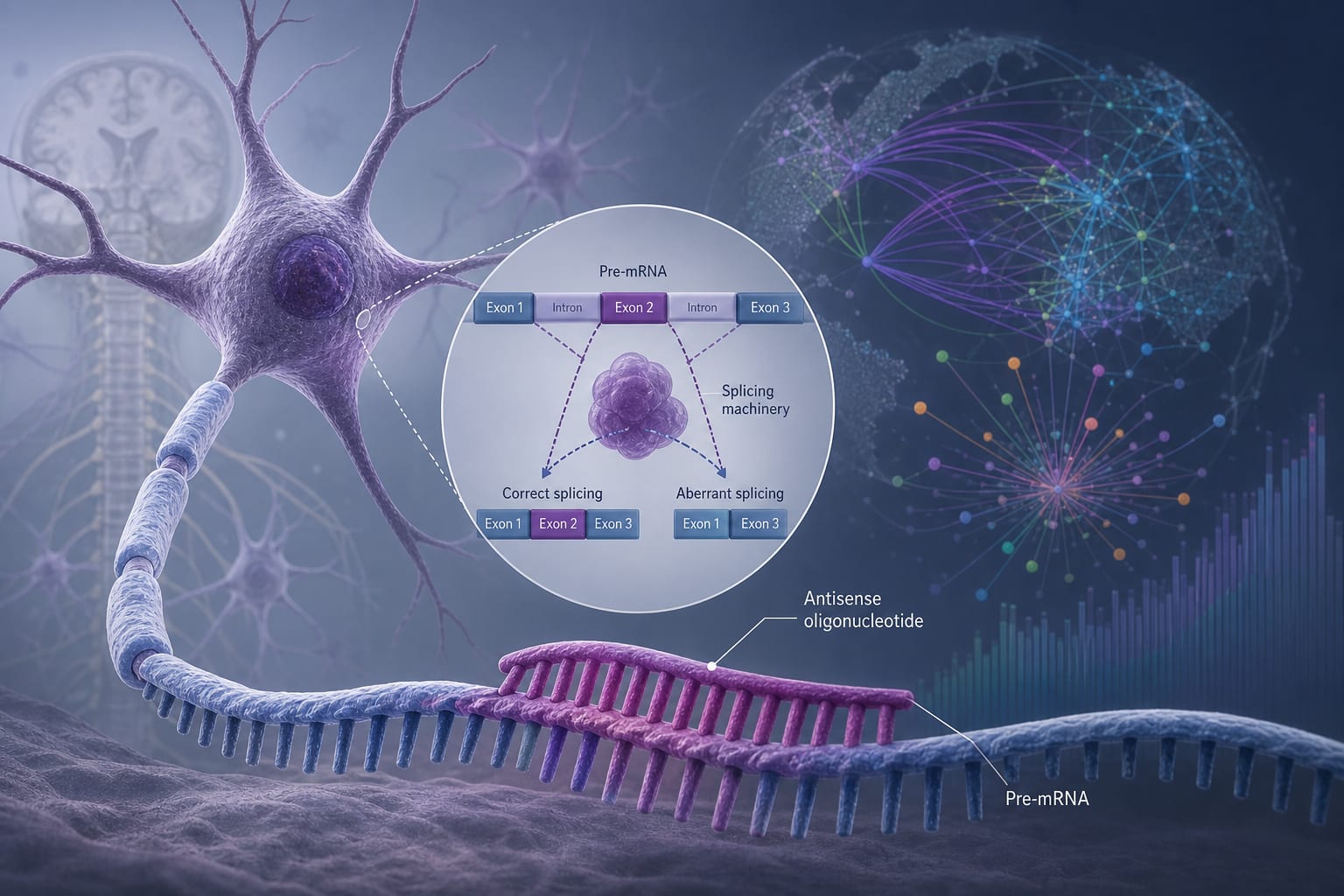
To analyze and synthesize existing data on Guillain-Barré syndrome (GBS) occurring after intracranial hemorrhage (ICH), focusing on clinical features, diagnosis, and management.
Approach:
Key Findings:
Twenty-three cases identified from 11 countries, with a mean age of 60.1 years and a male predominance (14 males).
GBS onset occurred after a median of 9 days post-ICH, with intracerebral hemorrhage being the most common antecedent (39.1%).
Electrophysiology showed predominantly axonal variants; CSF demonstrated albuminocytologic dissociation in all cases.
Severe clinical course with rapid progression to nadir (median 2.5 days) and high rates of respiratory failure (78.3%).
Among 21 patients treated with immunomodulatory therapy, 14.3% achieved complete recovery, while 9.5% died at last follow-up.
Interpretation:
GBS may complicate recovery after ICH and presents an aggressive course, particularly in axonal variants.
Limitations:
The evidence is based solely on heterogeneous case reports.
Quality assessment was not used as an exclusion criterion.
Conclusion:
Clinicians should consider GBS in patients with ICH who develop unexplained progressive weakness, as prompt immunotherapy may improve outcomes.