From algorithm to verification: based on network toxicology and machine learning, the immunomodulatory role of IGFBP1/MKI67/C9 in perfluorooctanoic acid-induced osteoarthritis was discovered, and a diagnostic model was constructed - Summary - MDSpire
Conexiant’s news site is now MDSpire News. Learn more
Advertisement
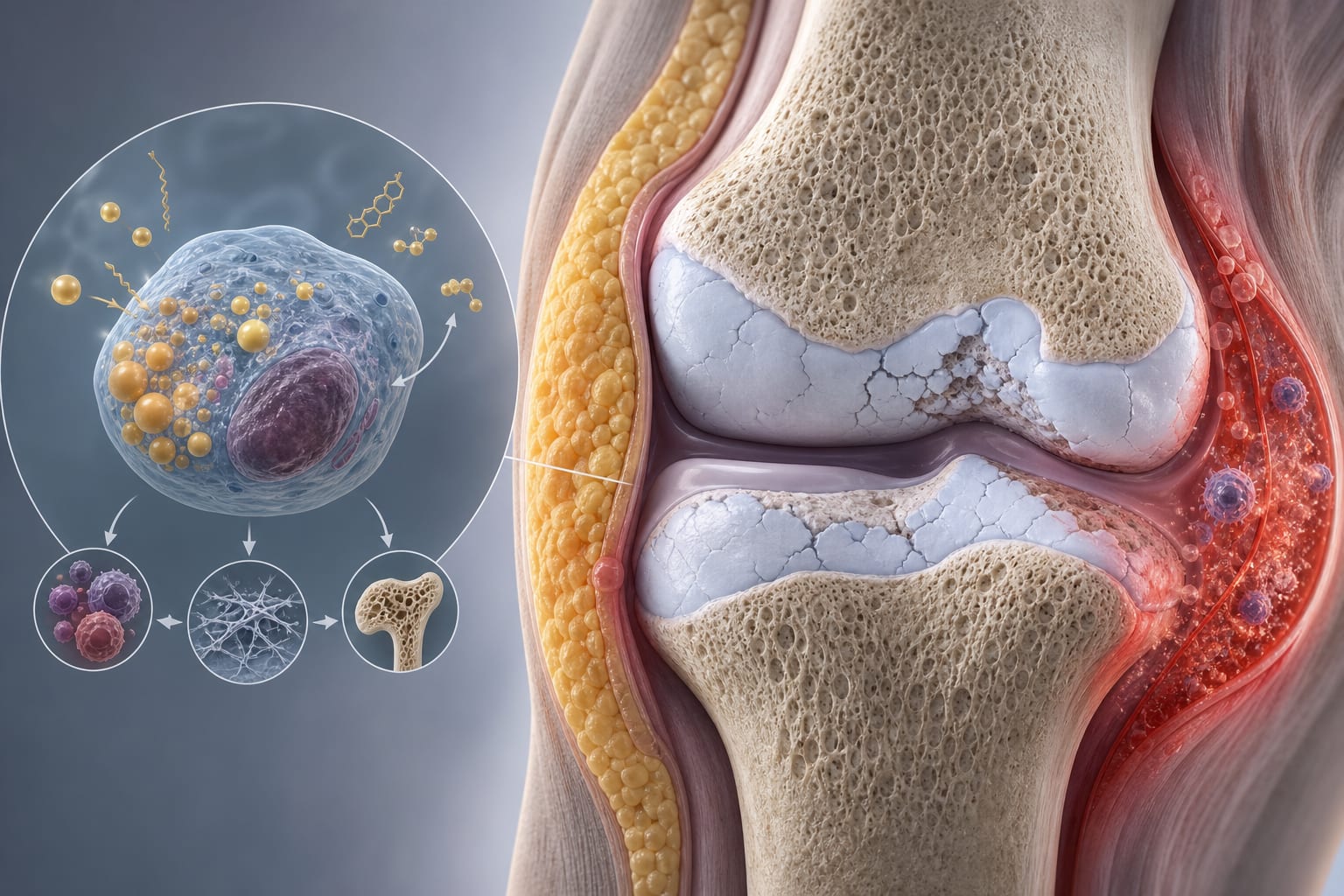
Unveiling the Immunomodulatory Effects of IGFBP1/MKI67/C9 in Perfluorooctanoic Acid-Induced Osteoarthritis: A Machine Learning and Network Toxicology Approach to Model Verification
To elucidate PFOA’s influence on osteoarthritis (OA) pathogenesis and evaluate its effects on disease progression.
Key Findings:
15 PFOA-related OA differentially expressed genes were identified.
IGFBP1, MKI67, and C9 were determined as core genes, significantly upregulated in OA patients.
Enrichment analysis indicated involvement in inflammatory, immune, and metabolic processes.
Immune infiltration analysis showed increased immune cells in OA samples; core genes inhibited excessive Th17 and B cell responses while enhancing Treg and NKT regulatory activity.
Molecular docking revealed strong binding of PFOA to the three core proteins with binding energies of -6.0, -8.5, and -7.5 kcal/mol.
The nomogram achieved an AUC of 0.903 in the training set and 0.939 in the external validation set (GSE51588).
Interpretation:
Limitations:
Conclusion:
The study identifies IGFBP1, MKI67, and C9 as potential diagnostic biomarkers for OA.