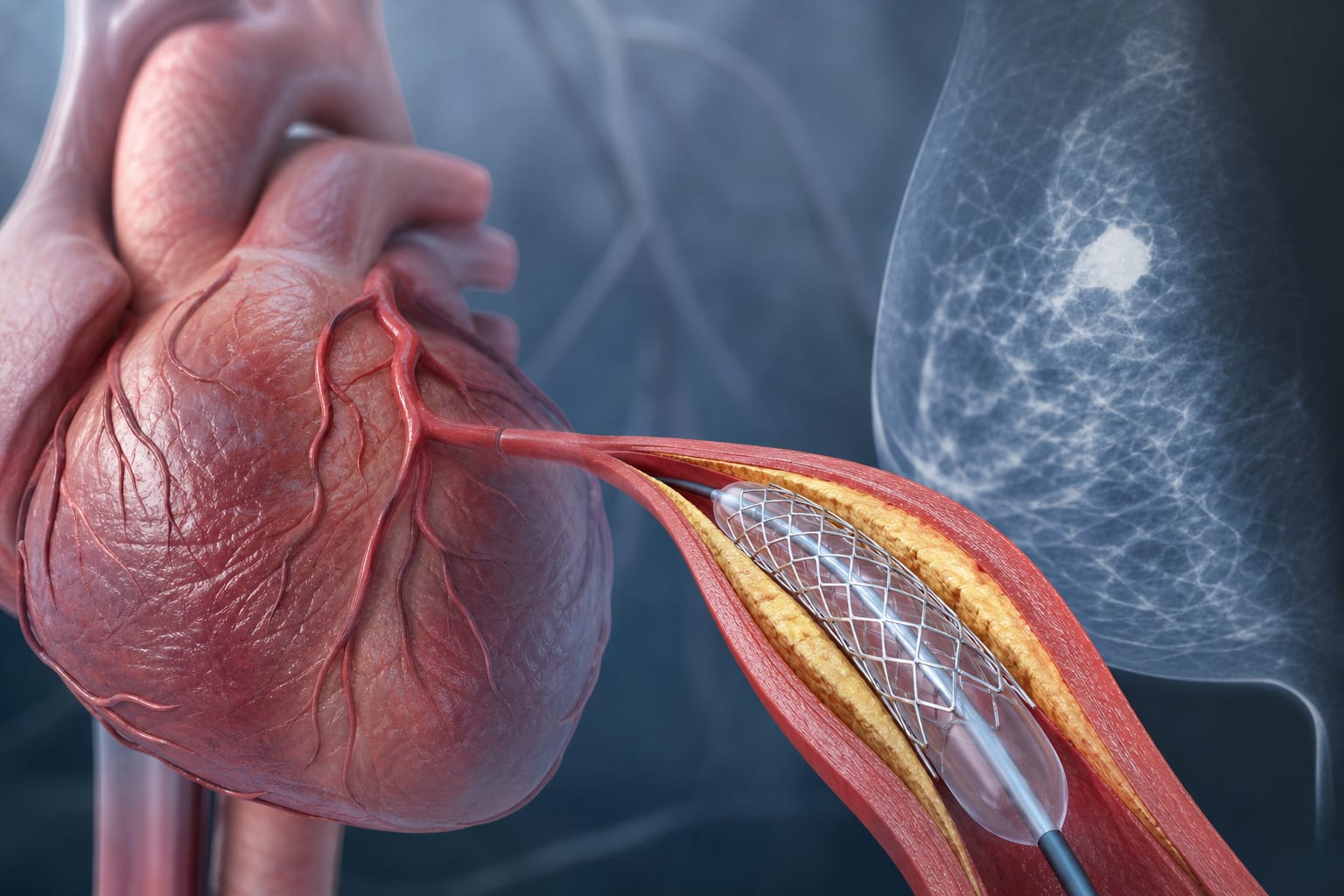
To present a rare case of sequential myeloid sarcoma (MS) affecting the nasal cavity and breast, highlighting diagnostic challenges and the importance of immunohistochemical analysis in avoiding misdiagnosis.
Key Findings:
The patient developed a painful right breast nodule 6 years after treatment for primary MS in the nasal cavity.
Initial imaging suggested a primary breast malignancy, but IHC analysis confirmed extramedullary relapse of MS.
Comprehensive IHC panels, including myeloid-specific markers, are crucial for accurate diagnosis and differentiation from other malignancies.
Interpretation:
Extramedullary myeloid sarcoma can mimic primary solid tumors, necessitating careful pathological evaluation to avoid misdiagnosis, which can lead to inappropriate treatment.
Limitations:
The rarity of the case limits generalizability and understanding of the disease's behavior.
Long-term outcomes and management strategies for sequential MS cases are not well-documented, which may affect treatment approaches.
Conclusion:
This case underscores the importance of vigilant diagnostic practices in identifying myeloid sarcoma, particularly in atypical presentations, to prevent misdiagnosis and ensure appropriate management.
This twice-monthly newsletter highlights recently published research where Dana-Farber faculty are listed as first or senior authors. The information is pulled from PubMed and this issue notes papers published from April 16 - 30.