“Do It by Myself” or Autonomy, Participation, and Assistive Devices and Technology Needs of Children and Youth With Disabilities: Text Mining Analysis of a National Survey in France - Summary - MDSpire
Conexiant’s news site is now MDSpire News. Learn more
Advertisement
Autonomy, Engagement, and the Requirements for Assistive Technologies Among Disabled Children and Adolescents: A Text Mining Study of a National Survey in France
To uncover actionable knowledge related to difficult life situations for which innovative solutions could be useful, complementing previous human-led qualitative research.
Approach:
Survey Development: Developed the 'Innovation for Participation' survey targeting children and youth with disabilities, their relatives, and professionals involved in their care to identify activity limitations and participation restrictions.
Data Analysis: Utilized French-language text mining techniques to analyze survey responses, aiming to reveal insights and compare perspectives among children, relatives, and professionals.
Key Findings:
Difficulties in participation were frequently highlighted, particularly in recreational activities, mobility, and social interactions, as revealed through text mining analysis.
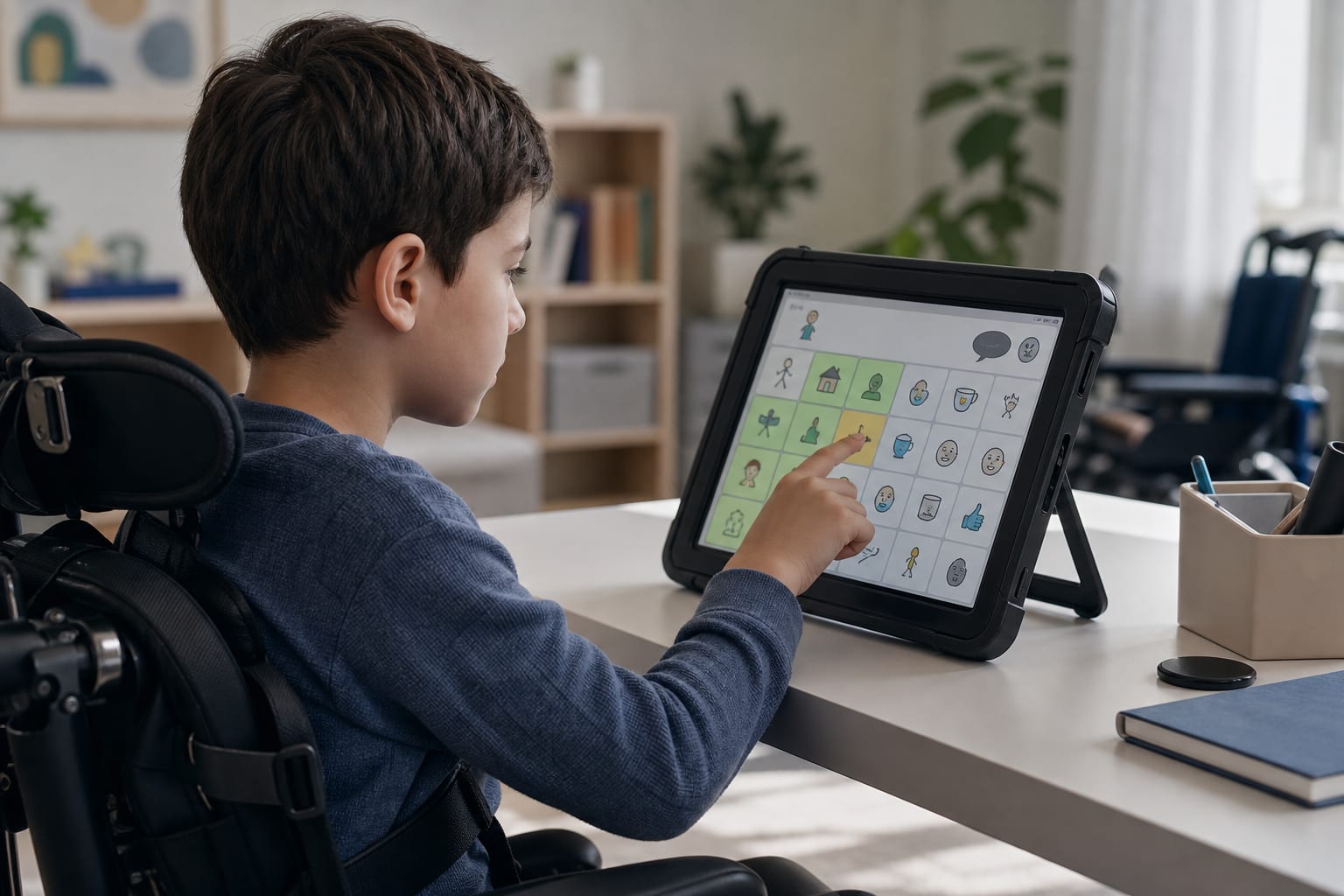
Proposed solutions included personal assistive devices, high-tech devices, and adaptations to the environment, reflecting the needs expressed by participants.
Human assistance in daily life was emphasized as a necessity, indicating a gap in available support.
Interpretation:
The study aimed to enrich understanding of the needs of children and youth with disabilities through a combined qualitative and text mining approach, highlighting the value of integrating user perspectives.
Limitations:
The study was based on a French-language survey, which may limit the applicability of findings to non-French speaking contexts.
Challenges included ensuring comprehensive engagement across diverse disability types and the potential biases in self-reported data.
Conclusion:
The findings highlight the importance of user engagement in the development of assistive technologies and demonstrate the potential of text mining to uncover actionable insights.
Investigators linked distinct odor patterns to life stage, sex, and skin microbes, while limited longitudinal evidence leaves their clinical utility uncertain.