The immune-cardiovascular metabolic circuitry in myocardial ischemia-reperfusion injury: from metabolic signal release to spatiotemporal reprogramming - Summary - MDSpire
Advertisement
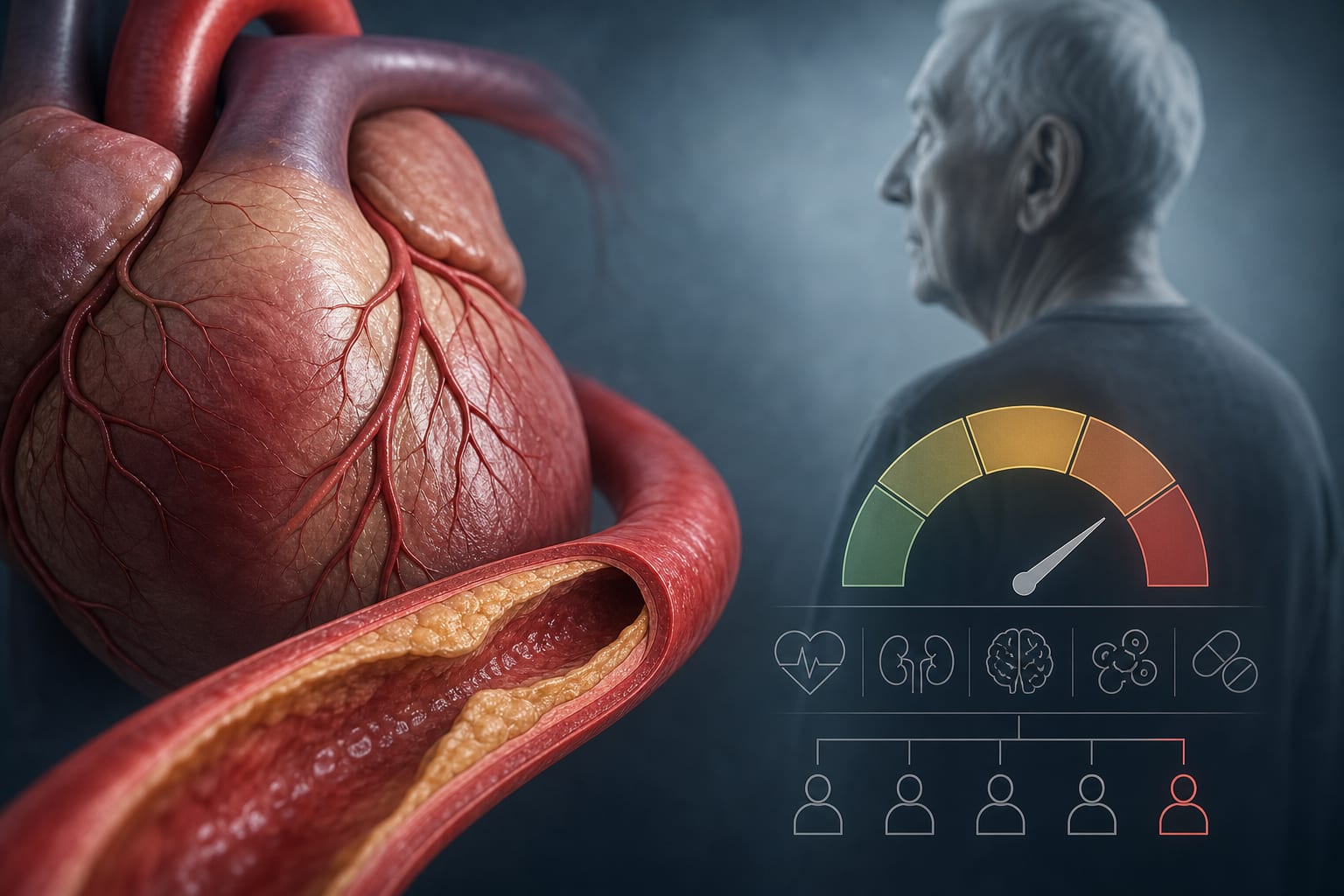
The Interplay of Immune and Cardiovascular Metabolism in Myocardial Ischemia-Reperfusion Injury: From Metabolic Signal Release to Temporal Reprogramming
To explore the mechanisms underlying myocardial ischemia-reperfusion injury (MIRI) and the role of immune-cardiac metabolic communication in this process, focusing on specific interactions and signaling pathways.
Key Findings:
MIRI reflects a disorganized immune-cardiac metabolic communication rather than solely oxidative stress and inflammation.
Injured cardiac cells release metabolites that serve as signals for immune cell recruitment and activation.
Immune cells dynamically reprogram their metabolism in response to signals from the heart, affecting inflammation and tissue repair.
The nature of metabolic signals, immune cell responses, and their spatial-temporal context are critical in determining the outcome of MIRI.
Interpretation:
MIRI may be viewed as a spatiotemporally organized disorder of immune-cardiac metabolic coupling, which could inform future research directions.
Limitations:
The review does not provide definitive mechanistic resolutions for all interactions within the immune-cardiac metabolic circuit.
Some areas discussed are inferential and require further investigation to establish clear mechanisms.
Conclusion:
Understanding the interplay between immune responses and cardiac metabolism in MIRI may provide insights for future research.
Combined rheumatoid factor and anticitrullinated protein antibody status appeared to modify the association between baseline rheumatoid arthritis disease activity and subsequent cardiovascular events in an international observational cohort.
National survey findings suggest many US adults report making health decisions based on social media despite widespread concerns about the accuracy of health information shared to the platforms.