The Right Atrium and Atrialised Right Ventricle are Associated with Cardiac Output During Exercise in Patients with Ebstein Anomaly of the Tricuspid Valve - Summary - MDSpire
Advertisement
The Right Atrium and Atrialised Right Ventricle are Associated with Cardiac Output During Exercise in Patients with Ebstein Anomaly of the Tricuspid Valve
To evaluate the impact of atrialised right ventricle (aRV) volume on cardiac output during exercise in un-operated patients with Ebstein anomaly (EA).
Approach:
Patient Selection: Thirteen un-operated EA patients aged 12–50 years were selected from cardiology databases, excluding those with MRI incompatibility or significant left ventricular dysfunction.
Cardio-Pulmonary Exercise Testing: CPET was performed to measure maximum oxygen consumption (VO2 max) using a ramp protocol on a cycle ergometer.
Echocardiography: Transthoracic echocardiography assessed tricuspid regurgitation (TR) severity and morphology.
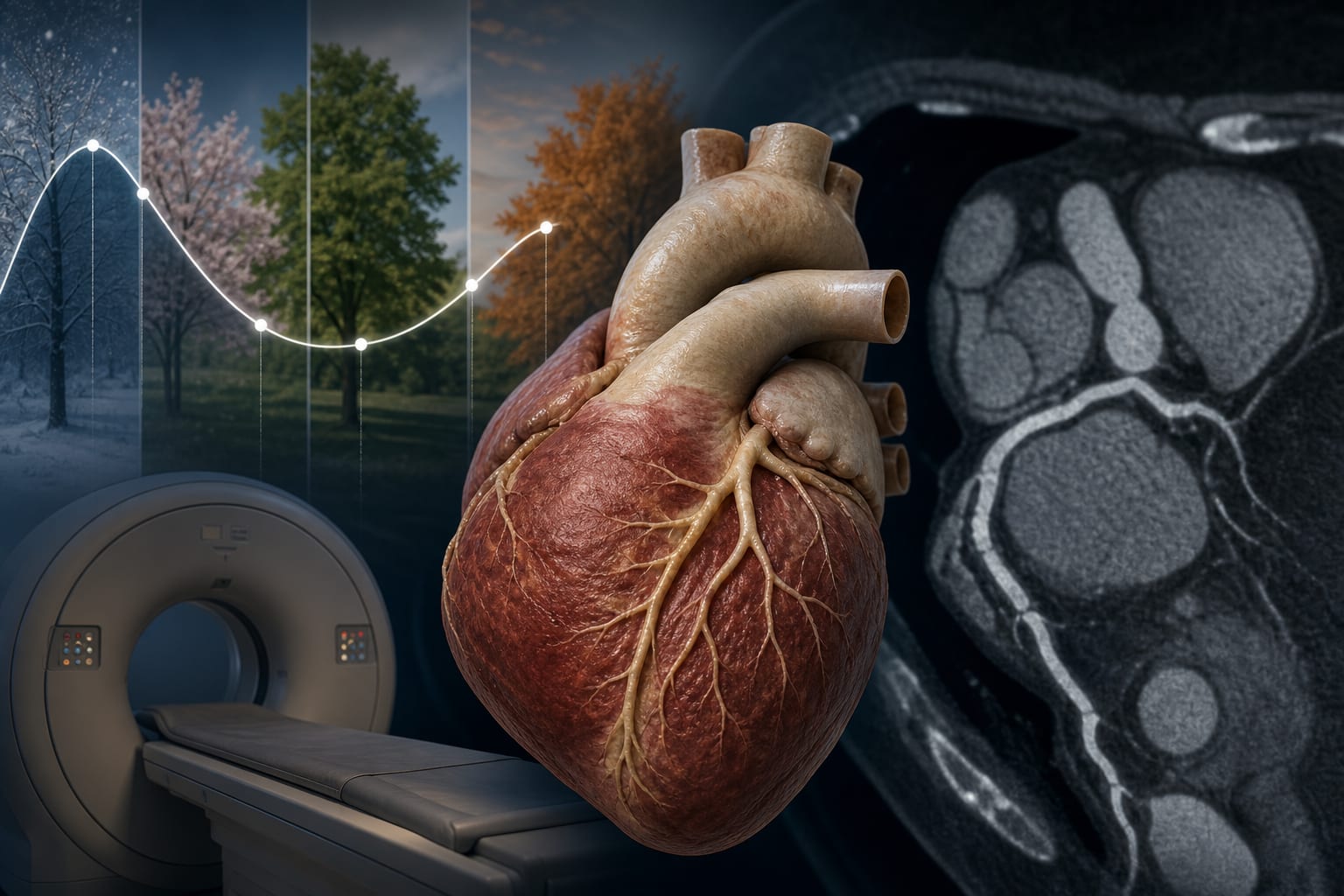
Cardiac Magnetic Resonance Imaging: CMRI was conducted at rest and during exercise to measure flow in the aorta and pulmonary artery, and to analyze volumetric data.
Data Analysis: Cardiac index (CI) was calculated from flow data, and volumetric analysis was performed to derive EA disease severity indices.
Key Findings:
The volume of the aRV significantly impacts cardiac output during exercise.
Echocardiographic and CMRI parameters correlate with exercise capacity in EA patients.
TR severity assessed by echocardiography was strongly correlated with TR fraction derived from CMRI.
Interpretation:
Limitations:
Small sample size of 13 patients limits generalizability.
Exclusion of patients with significant left ventricular dysfunction may affect results.