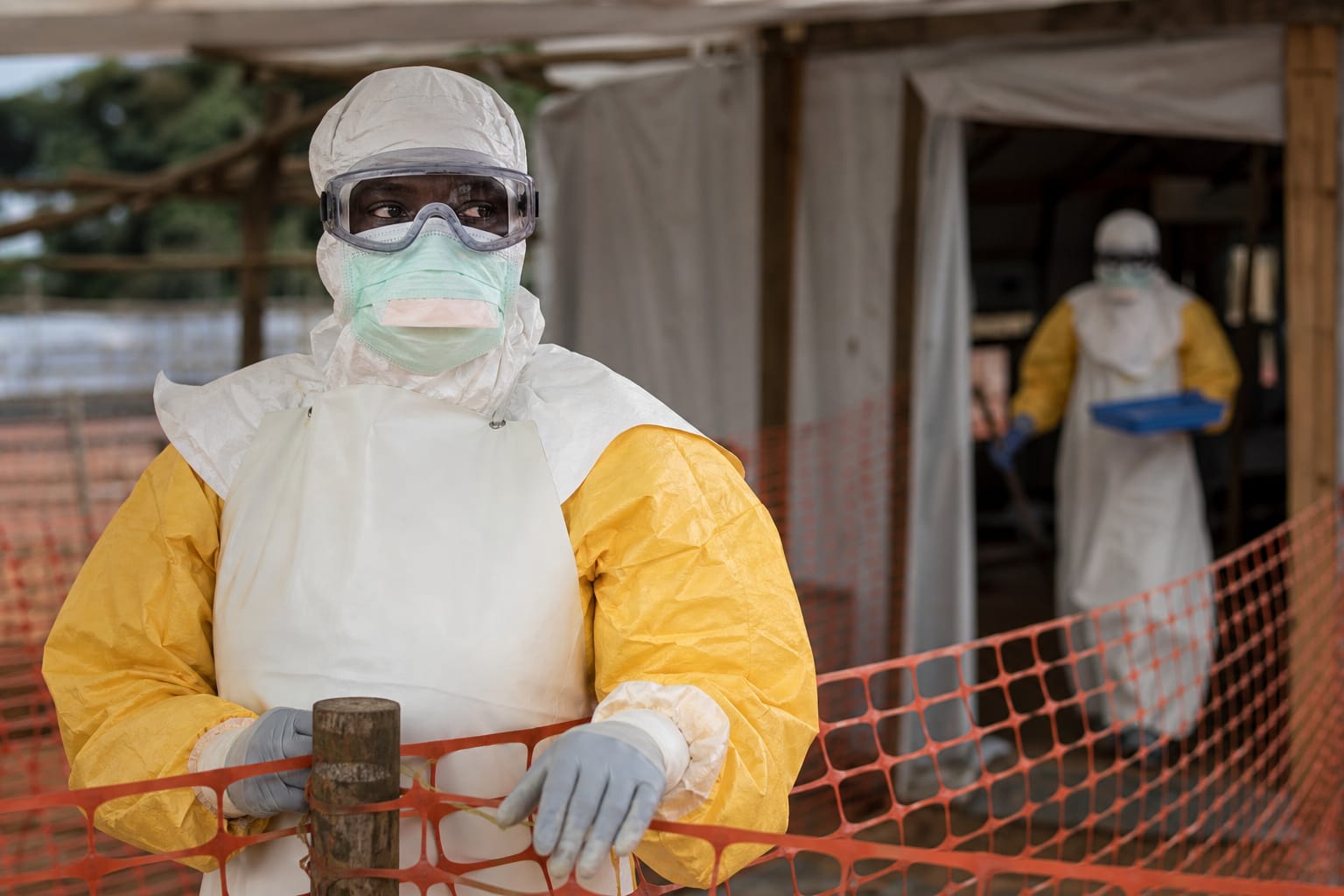
To assess the impact of U.S. foreign aid cuts on the Ebola outbreak response in the Democratic Republic of Congo (DRC).
Key Findings:
U.S. aid cuts hampered outbreak detection and response efforts, leading to increased mortality.
The DRC is experiencing the third-largest Ebola outbreak on record, with significant mortality and morbidity.
Funding for programs aimed at epidemic preparedness and health system support was significantly reduced, affecting local health infrastructure.
Non-U.S. entities like the WHO continued efforts, but local health systems were weakened by funding cuts, limiting their effectiveness.
Interpretation:
The reduction in U.S. foreign aid has critically undermined the public health infrastructure in the DRC, exacerbating the Ebola outbreak by limiting detection, response capabilities, and overall health system resilience, which has led to increased mortality rates.
Limitations:
The full impact of funding cuts is difficult to isolate due to other complicating factors such as regional violence, which also affects health system functionality.
Data on foreign aid spending may have reporting lags, affecting the accuracy of funding assessments and complicating the evaluation of aid impacts.
Conclusion:
U.S. foreign aid cuts have had detrimental effects on the DRC's ability to respond to the Ebola outbreak, highlighting the importance of sustained investment in public health systems.