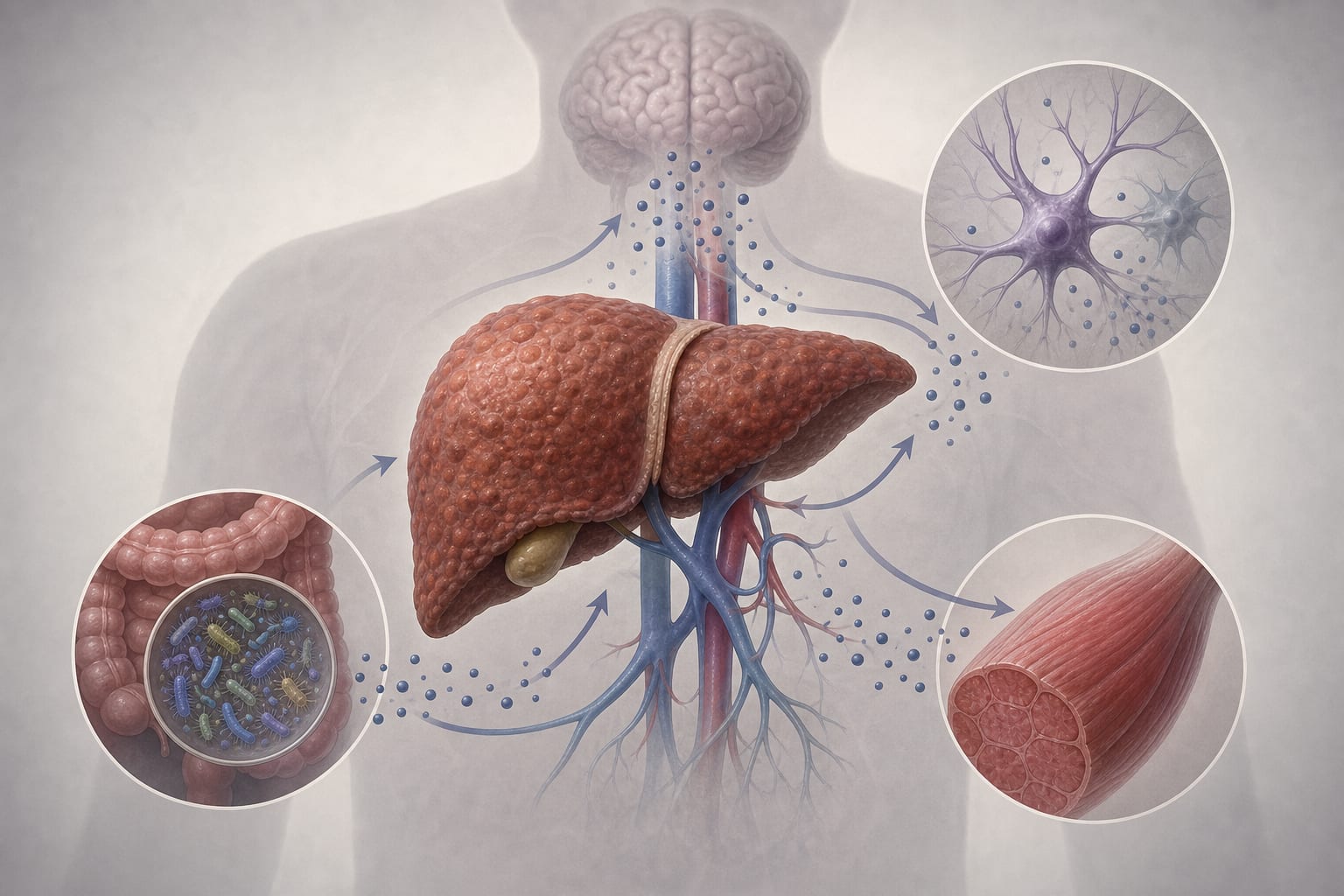
To provide an overview of the relationship between mitochondrial dynamics and metabolic dysfunction-associated steatotic liver disease (MASLD), emphasizing the urgency of addressing this rising health concern.
Key Findings:
MASLD is a prevalent chronic liver disease linked to systemic metabolic dysfunction, with a bidirectional relationship.
Mitochondrial dynamics are crucial for maintaining mitochondrial function and quality control.
Disruptions in mitochondrial dynamics are significant contributors to the pathogenesis of MASLD.
Interpretation:
Mitochondrial dynamics play a vital role in the onset and progression of MASLD, indicating that targeting these processes may offer new therapeutic avenues and improve patient outcomes.
Limitations:
Current understanding of the molecular mechanisms of MASLD is incomplete, impacting treatment development.
Effective pharmacological interventions for MASLD are still lacking.
Conclusion:
Further research into mitochondrial dynamics could lead to novel prevention and treatment strategies for MASLD, addressing the urgent need for effective interventions.