To evaluate the effectiveness of a simplified magnetic resonance enterography (MRE) scoring system in assessing Crohn disease activity and predicting remission compared to a full multi-segment scoring system.
Approach:
Key Findings:
The maximal segmental score showed a very strong correlation with the global sMARIA score.
Both scoring methods demonstrated similar moderate correlations with SES-CD.
For predicting endoscopic remission, the area under the curve values were 0.84 for maximal segmental score and 0.85 for global score.
Combining the two most inflamed segments performed similarly to the global score.
High interobserver agreement among radiologists for both scoring approaches.
Interpretation:
The study suggests that the maximal segmental score based on the most inflamed bowel segment can effectively represent overall disease activity and predict endoscopic remission in Crohn disease.
Limitations:
Retrospective design and potential selection bias.
Endoscopic reference data available for only 31% of patients.
Maximal segmental score derived retrospectively rather than applied prospectively.
Some bowel segments may not have been fully evaluated due to imaging protocol constraints.
Conclusion:
The Maximal Segmental Score can serve as a simple, practical MRE-based index for assessing Crohn disease activity and predicting remission.
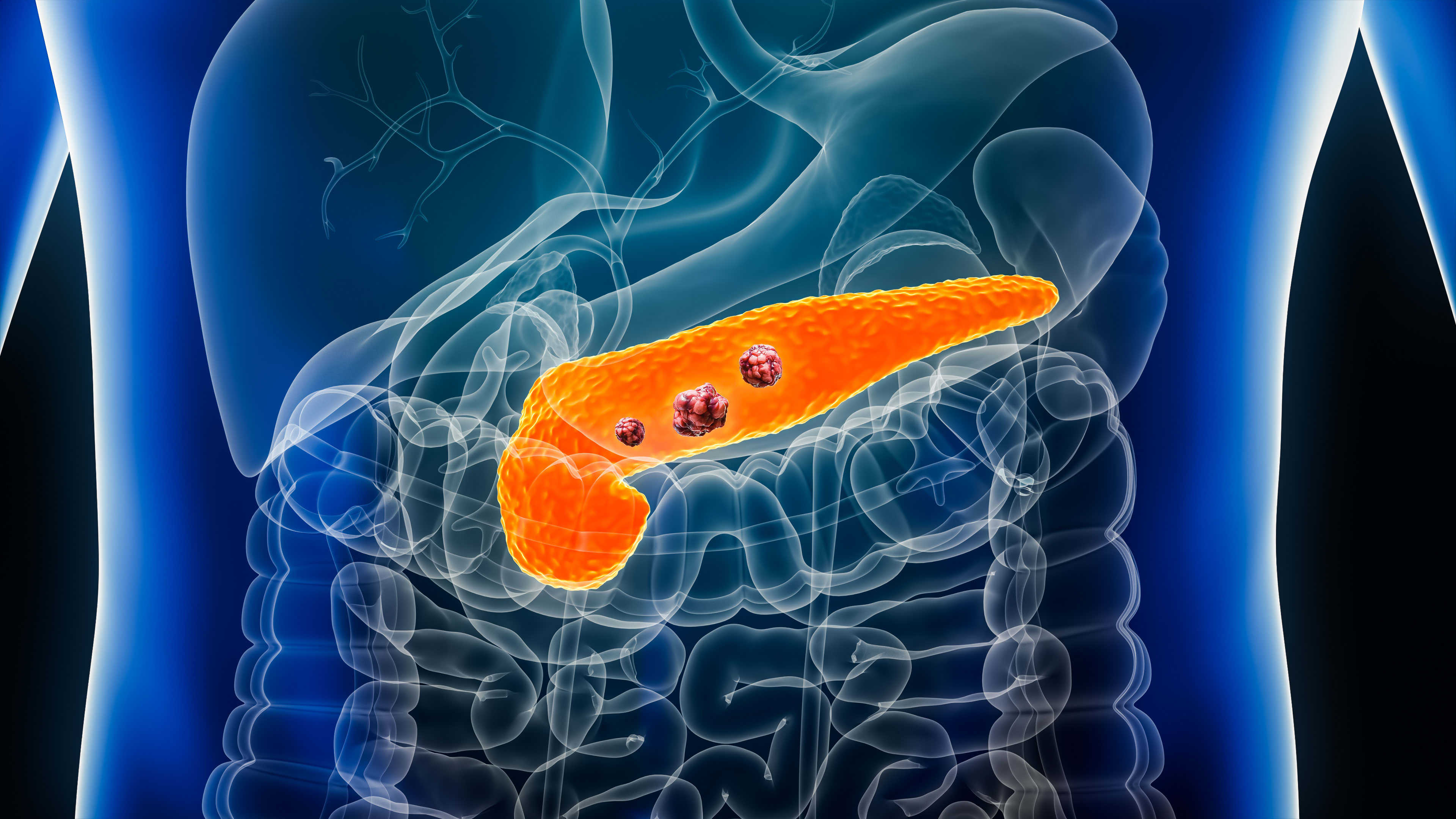
In the phase 3 PANOVA-3 trial, adding Tumor Treating Fields therapy to gemcitabine and nab-paclitaxel was associated with improved overall survival and delayed pain progression in adults with locally advanced pancreatic cancer.