To explore the roles of artificial intelligence in self-directed stress management and its potential to enhance accessibility and efficacy of stress interventions.
Approach:
Overview of Stress Management: The article discusses the prevalence of stress, particularly during the COVID-19 pandemic, and highlights the limitations of traditional stress management approaches.
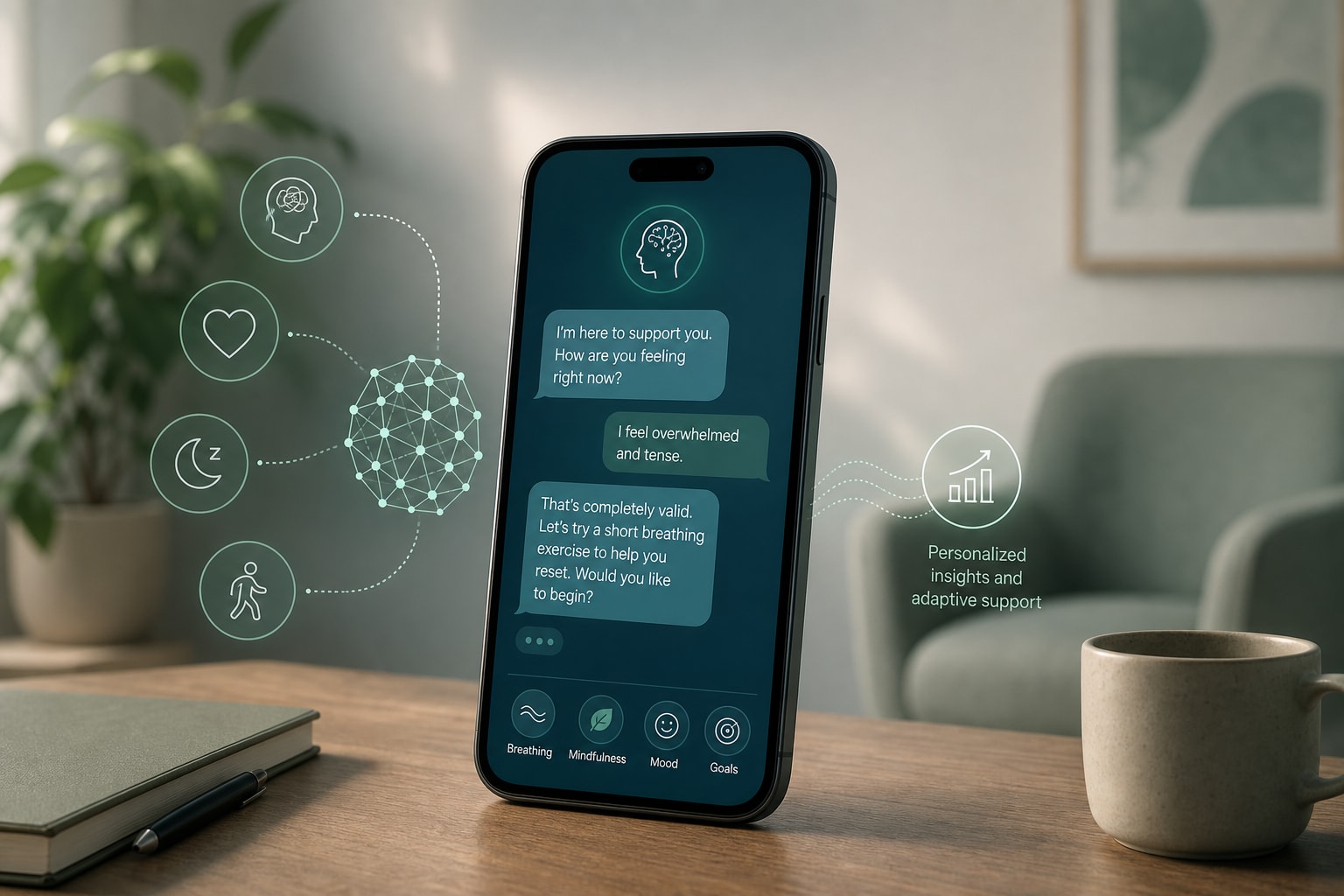
AI Capabilities: It examines how AI technologies, such as large language models and natural language processing, can provide tailored responses and enhance self-directed stress management.
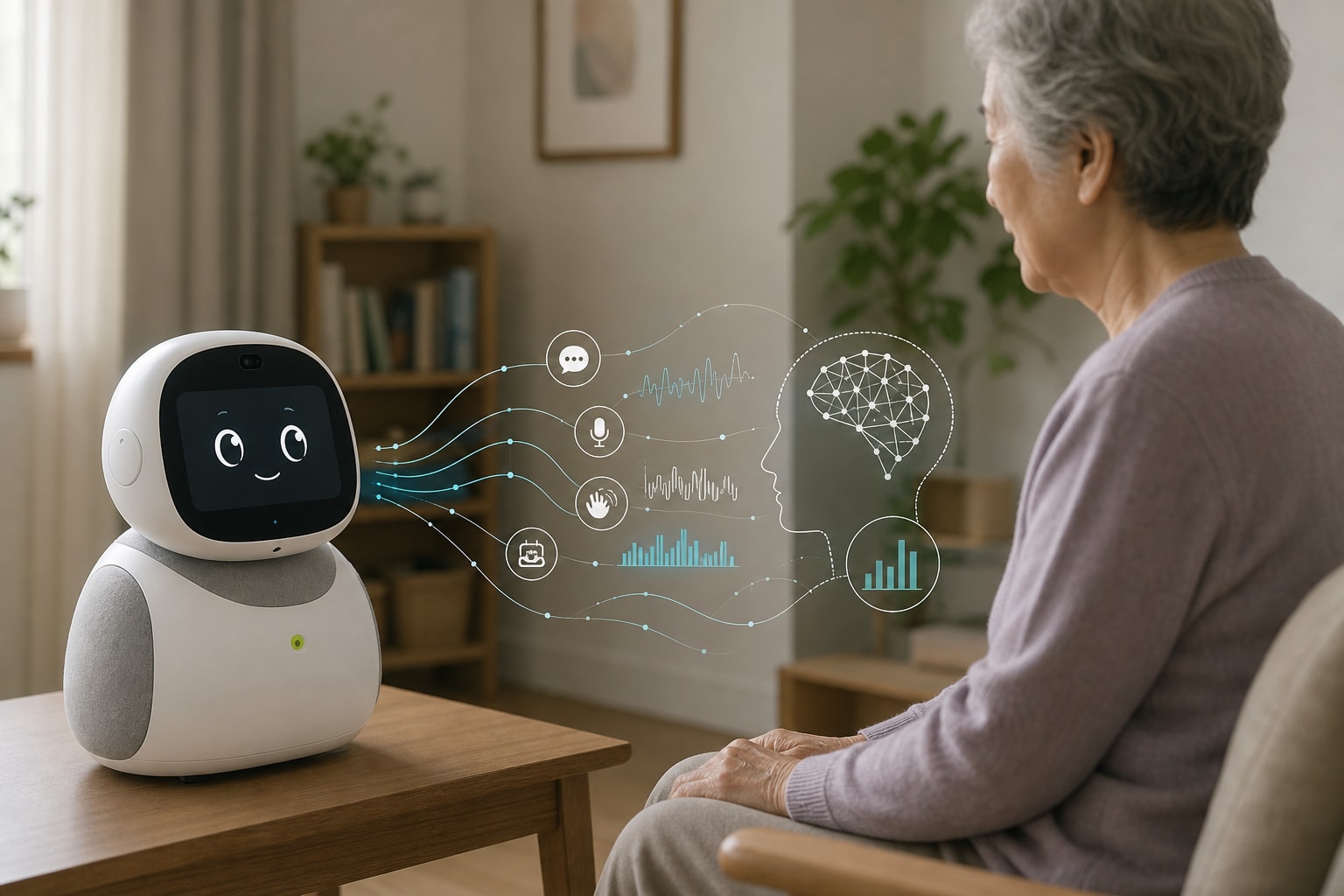
Applications of AI: The article details applications of AI in monitoring physiological and behavioral signals to assess stress and support long-term behavior change.
Key Findings:
AI can enhance self-directed stress management by providing personalized, scalable, and accessible interventions.
AI-driven tools can monitor physiological changes to infer stress levels, offering continuous support.
Conversational agents can facilitate therapeutic dialogue and reduce stigma associated with seeking help.
Interpretation:
AI technologies have the potential to address barriers in traditional stress management by offering adaptive and user-centered solutions.
Limitations:
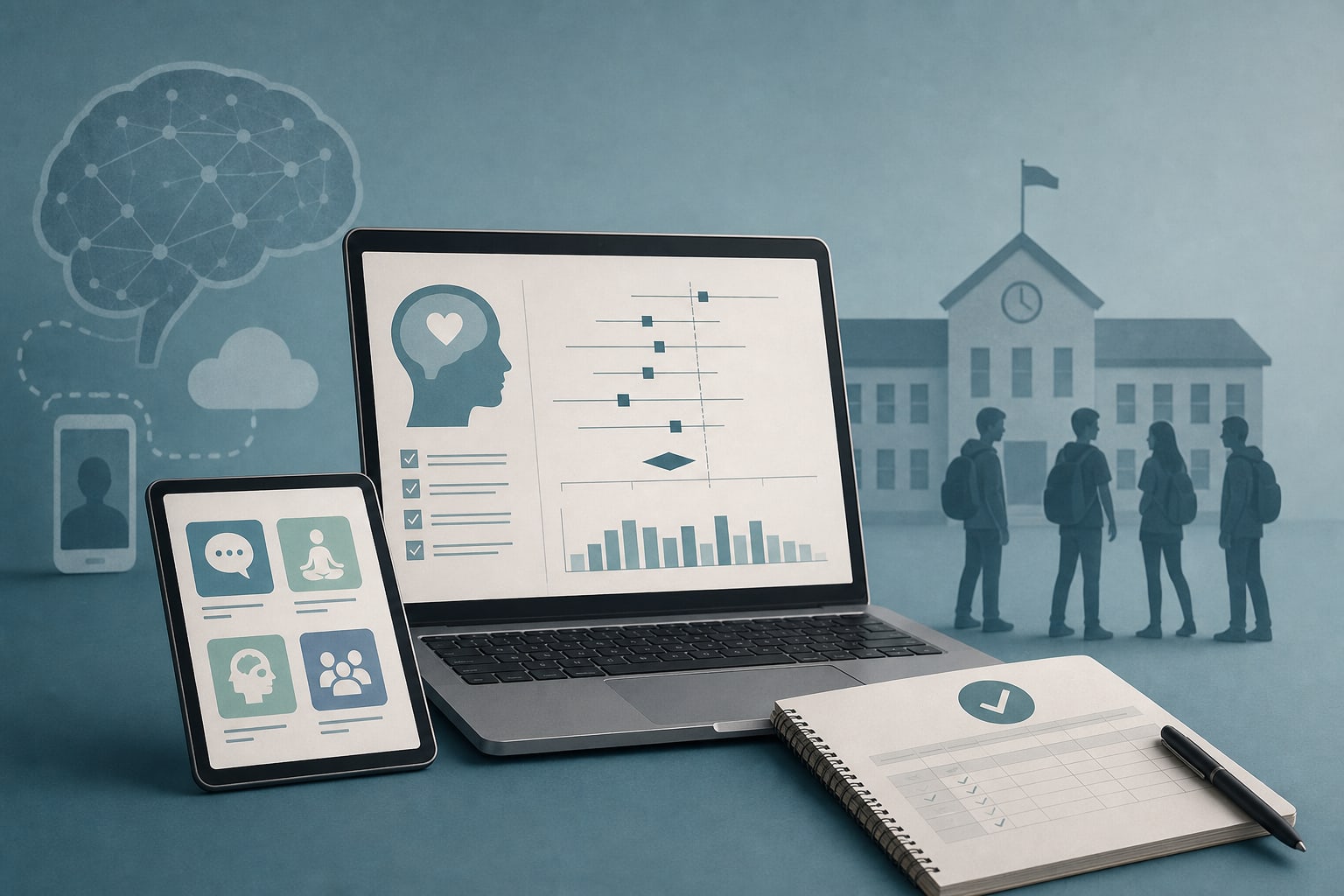
High dropout rates and limited long-term data on self-directed digital interventions.
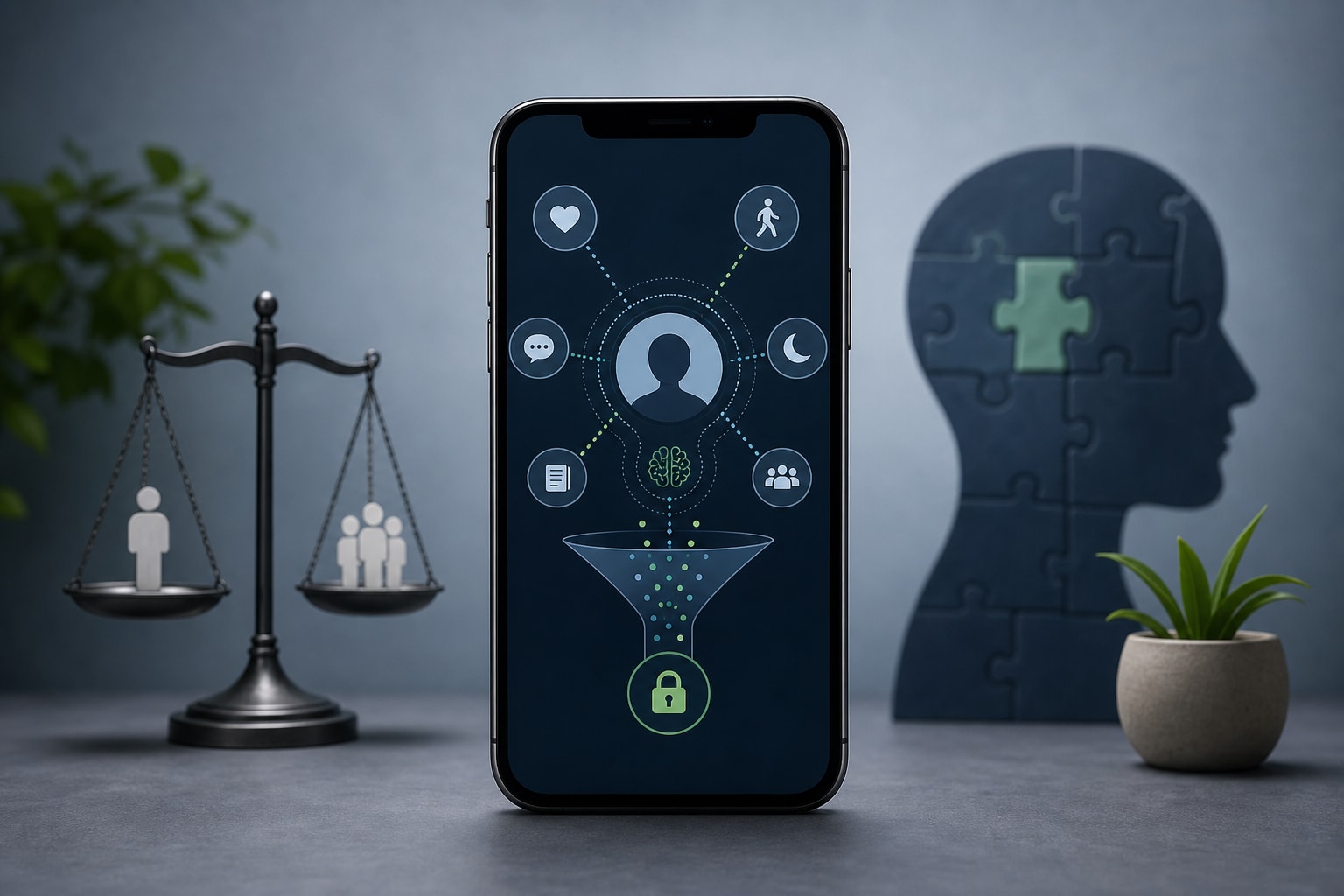
Potential challenges in user engagement and accountability in AI-driven systems.
Conclusion:
AI-enabled self-directed stress management tools can provide ongoing support and adapt to individual needs, addressing gaps in current mental health interventions.