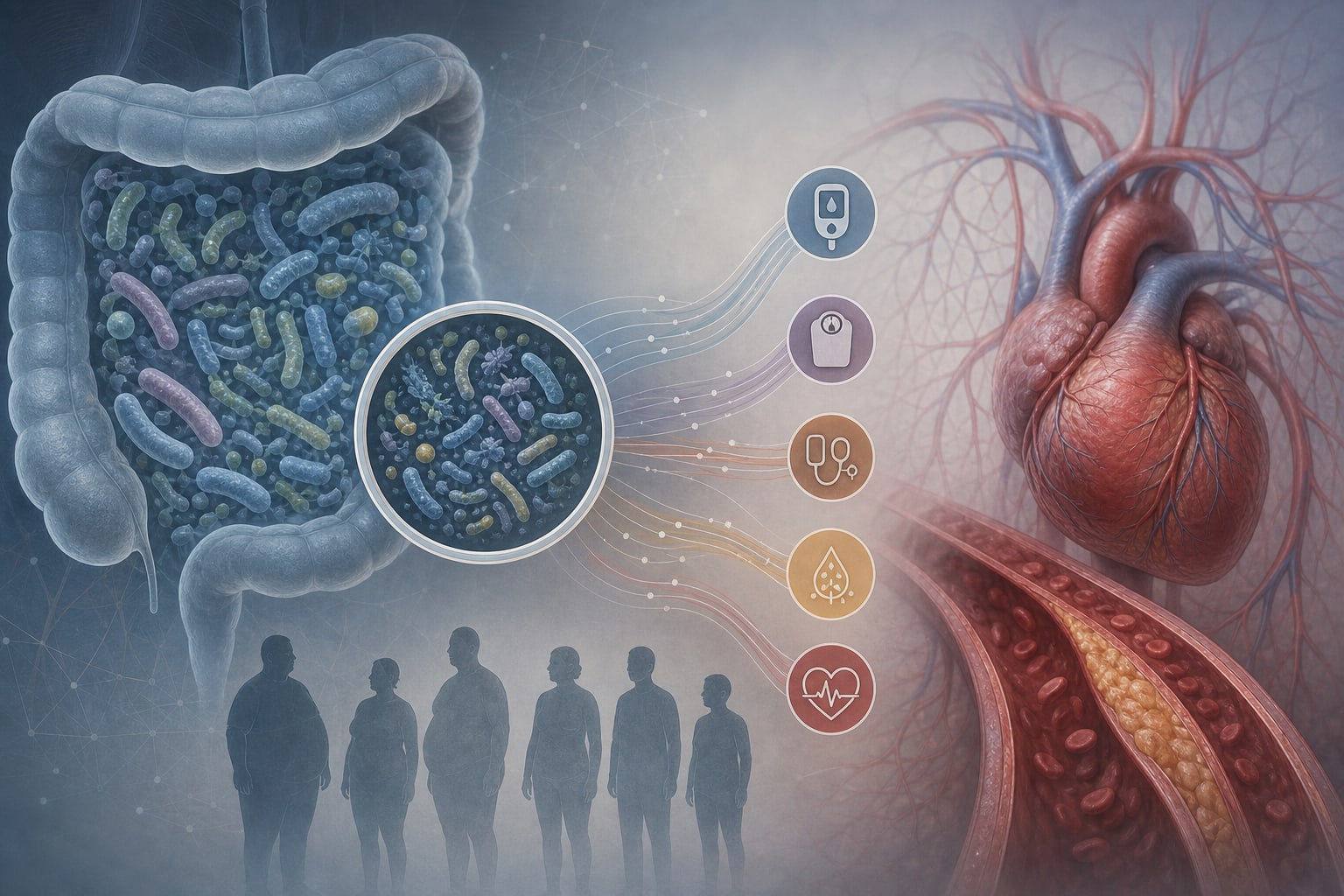
To explore the associations between the MIND diet and incident cardiovascular disease (CVD) and arrhythmias, and to compare these with other diet quality scores, specifically MEDAS, RFS, and HDI.
Key Findings:
The MIND diet may be associated with a lower risk of incident CVD and arrhythmias, with potential unique benefits related to specific cardiovascular outcomes.
Comparative analysis with other diet scores (MEDAS, RFS, HDI) suggests potential unique benefits of the MIND diet.
Dose-response relationships indicate that higher adherence to the MIND diet correlates with reduced cardiovascular risks.
Interpretation:
The findings suggest that the MIND diet could be a beneficial dietary pattern for preventing cardiovascular diseases and arrhythmias, warranting further research to explore its long-term effects.
Limitations:
The reliance on self-reported dietary data may introduce bias, potentially affecting the accuracy of dietary assessments.
The observational nature of the study limits causal inferences, making it difficult to establish direct cause-and-effect relationships.
Exclusion of participants with pre-existing conditions may affect generalizability, as the findings may not apply to those with existing health issues.
Conclusion:
The MIND diet shows promise in reducing the risk of cardiovascular health issues, highlighting the need for more comprehensive studies to confirm these associations.
Researchers found that patients with higher waist circumference and lower grip strength had the greatest risk for developing type 2 diabetes during long-term follow-up.