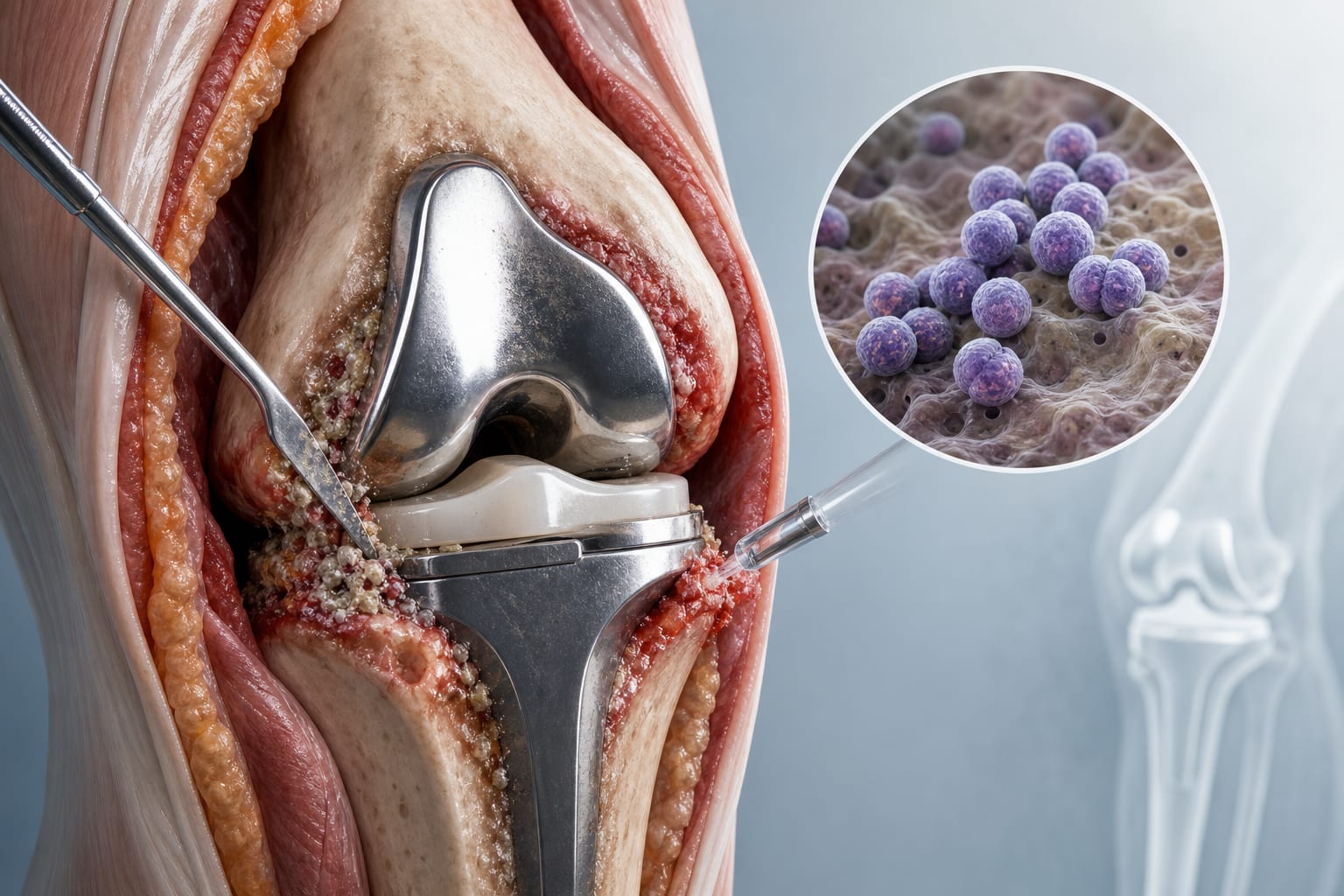
To evaluate the performance of machine learning models in diagnosing and predicting prosthetic joint infections (PJI) following total hip or knee arthroplasty, highlighting the clinical significance of accurate diagnosis.
Approach:
Key Findings:
Machine learning models showed high performance in diagnosing PJI, with AUC values ranging from 0.68 to 0.993, indicating a spectrum of diagnostic accuracy.
Only one study included external validation, raising concerns about the real-world applicability of the findings.
Most studies used retrospective, single-center data with sample sizes ranging from 20 to 17,165 surgeries, which may limit generalizability.
Interpretation:
Machine learning has the potential to improve diagnostic accuracy for PJI, but the lack of external validation and variability in model inputs limits current applicability, underscoring the need for further research.
Limitations:
Most models were developed using retrospective data and lacked external validation, which raises questions about their reliability.
Variability in input features and outcome definitions was common, complicating comparisons across studies.
There is a risk of circularity when models are trained and tested against the same diagnostic criteria, potentially overestimating their effectiveness.
Conclusion:
Further research is needed to enhance the robustness and clinical applicability of machine learning models for PJI diagnosis, emphasizing the importance of multicenter studies and standardized data sets to address the identified limitations.
A VHA study across 11 vendors finds AI-generated primary care notes score lower than clinician-written notes, with the largest deficits in thoroughness, organization, and usefulness