A nomogram integrating DCE-MRI imaging features and clinicopathological parameters for predicting pathological complete response in HER2-positive breast cancer - Summary - MDSpire
Advertisement
A nomogram integrating DCE-MRI imaging features and clinicopathological parameters for predicting pathological complete response in HER2-positive breast cancer
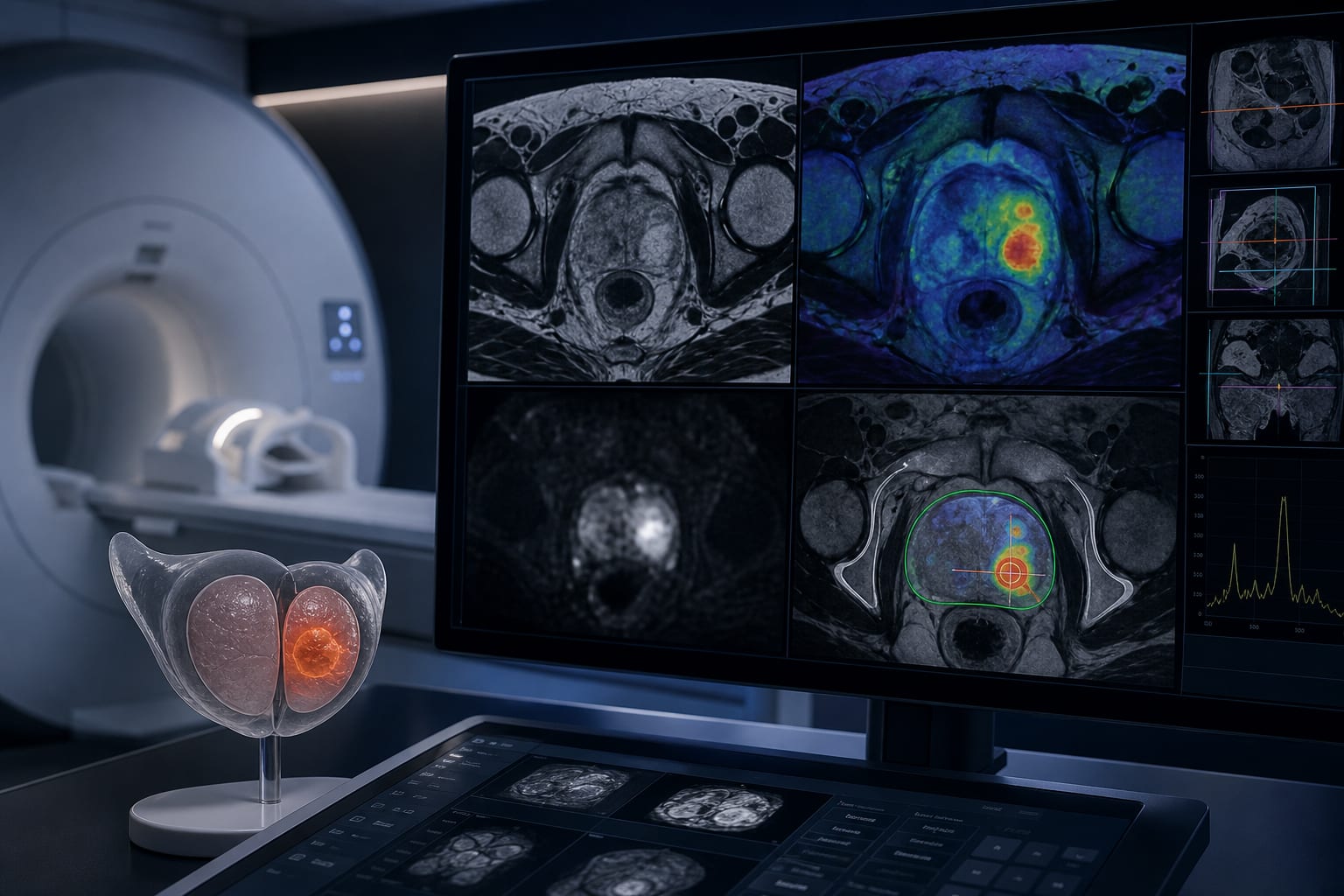
To develop and validate a nomogram integrating DCE-MRI features and clinicopathological parameters for predicting pathological complete response (pCR) in HER2-positive breast cancer patients receiving neoadjuvant chemotherapy (NAC).
Approach:
Study Design: Retrospective analysis of 183 HER2-positive breast cancer patients who received NAC followed by surgery, with 166 patients included after data exclusion.
Data Collection: DCE-MRI imaging features and clinicopathological variables were analyzed to identify independent predictors of pCR.
Nomogram Development: A nomogram was constructed and validated using ROC curves, calibration plots, and decision curve analysis.
Key Findings:
The overall pCR rate was 44.6% (74/166 evaluable patients).
Molecular subtype analysis revealed significantly higher pCR rates in HR-/HER2+ patients (52.2%) versus HR+/HER2+ patients (38.5%, P = 0.048).
Independent predictors of pCR included ADCmin value, Ki-67 index, tumor size, clinical N stage, and HR status.
The nomogram demonstrated excellent discrimination with AUC of 0.823 in the training cohort and 0.795 in the validation cohort.
Calibration plots showed good agreement (Hosmer-Lemeshow P = 0.412).
DCA confirmed clinical utility across threshold probabilities of 0.15-0.75.
Interpretation:
The developed nomogram integrates DCE-MRI features and clinicopathological parameters to predict pCR in HER2-positive breast cancer patients undergoing NAC.
Limitations:
The study is retrospective, which may introduce bias.
The sample size may limit the generalizability of the findings.
Conclusion:
The nomogram facilitates individualized treatment decision-making for HER2-positive breast cancer patients.