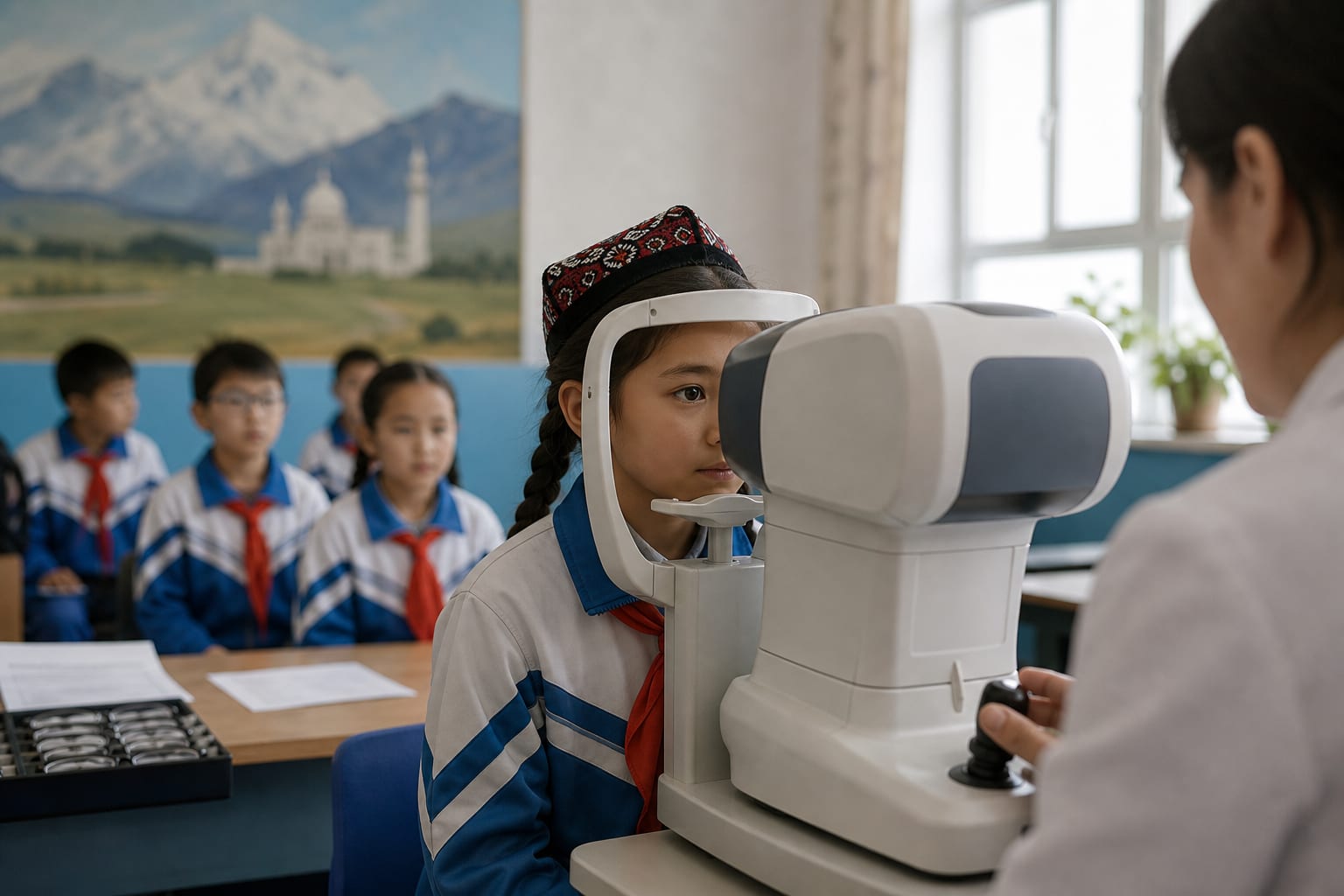
To address the myopia epidemic and evaluate the limitations of conventional vision correction methods compared to surgical options, emphasizing the need for greater transparency in eye care.
Approach:
Myopia Epidemic: Discusses the projected increase in myopia prevalence, particularly in urban areas, and the financial burden of conventional correction methods.
Financial Implications: Analyzes the cost of ongoing spectacles and contact lenses versus the one-time cost of surgical options like LASIK.
Clinical Safety: Compares the risks associated with contact lenses and surgical correction, highlighting the long-term risks of contact lens wear.
Pathology of Myopia: Explores the progressive nature of myopia and associated long-term complications, emphasizing the benefits of surgical correction.
Key Findings:
An estimated 5 billion people will have myopia by 2050, with urban learners affected at rates up to 60%.
Conventional vision correction methods incur significant recurring costs, averaging ZAR 16,760 annually in South Africa.
Surgical correction options like LASIK can lead to substantial long-term savings and eliminate the risks associated with contact lens wear.
Long-term use of contact lenses is associated with increased risks of serious complications such as microbial keratitis and progressive myopia-related pathologies.
Interpretation:
Limitations:
The article primarily focuses on the South African context and may not reflect global trends.
Financial comparisons are based on specific regional costs and may vary in different healthcare systems.