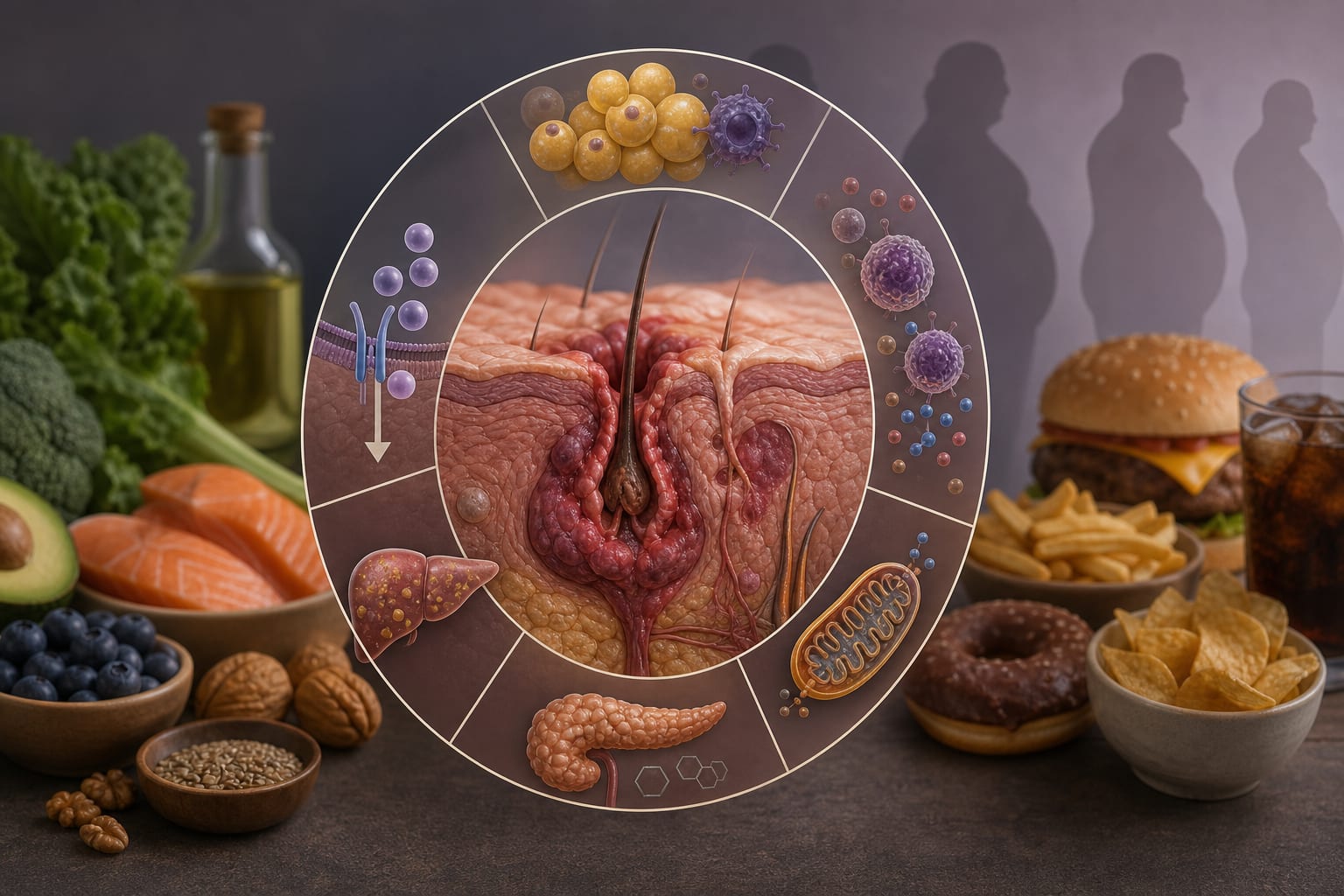
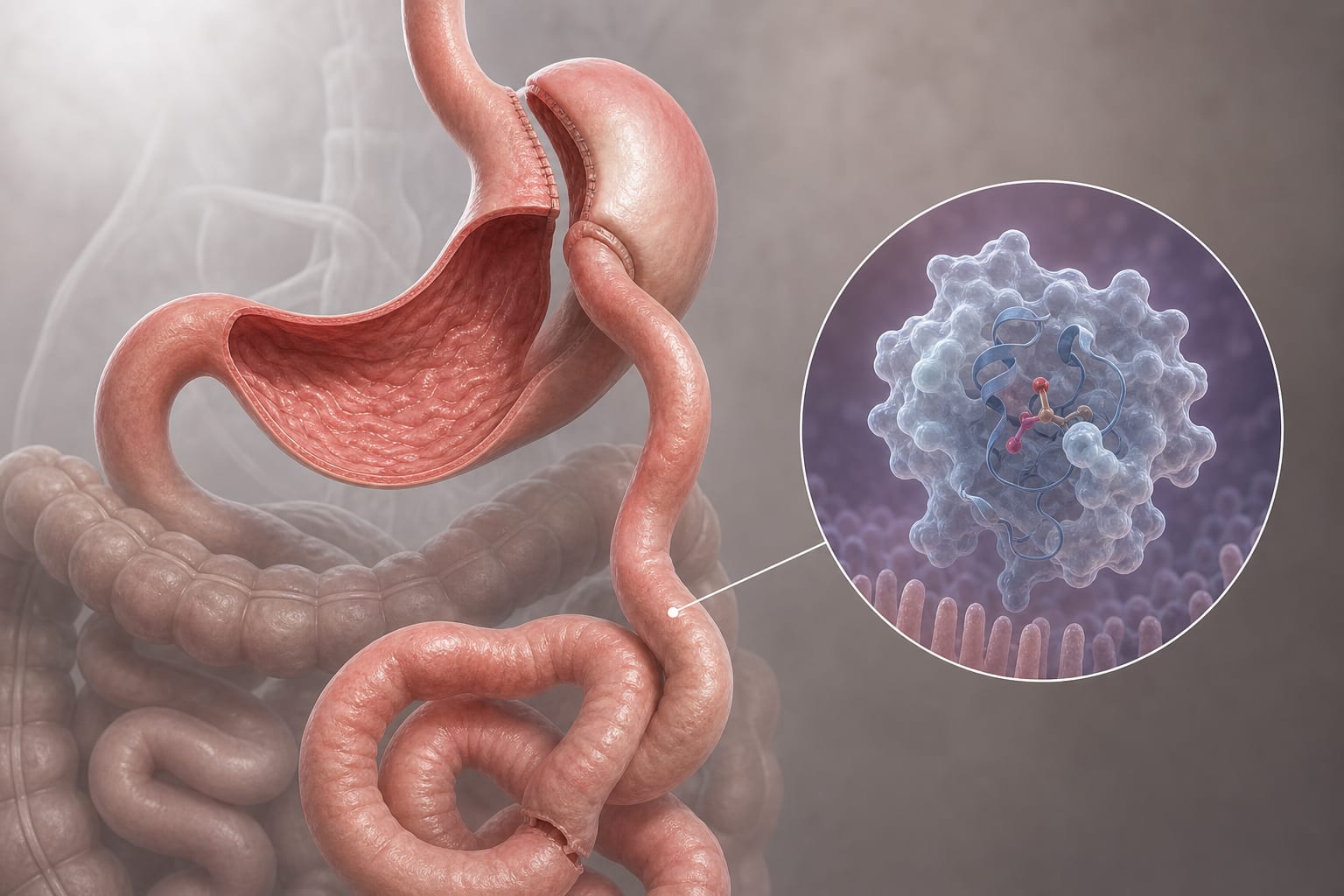
To provide an overview of the biology of fasting, its potential benefits for metabolic health, and associated health risks, particularly regarding metabolic outcomes and bone fragility.
Key Findings:
Fasting physiology remains relevant due to ongoing global food scarcity and the obesity epidemic, necessitating a deeper understanding of its mechanisms.
Caloric restriction and intermittent fasting may prolong lifespan in model organisms, suggesting potential benefits for human health.
Potential health risks of fasting include bone fragility, highlighting the need for careful consideration in fasting practices.
Interpretation:
While fasting shows promise for metabolic health, the current evidence is insufficient for widespread recommendations, indicating a need for further research to establish safety and efficacy.
Limitations:
Lack of standardization in fasting protocols, which complicates the interpretation of results.
Insufficient clinical evidence to recommend fasting broadly, necessitating more rigorous studies.
Conclusion:
Fasting and caloric restriction present potential benefits for metabolic wellness, but further studies are needed to clarify their safety, efficacy, and specific areas of focus.