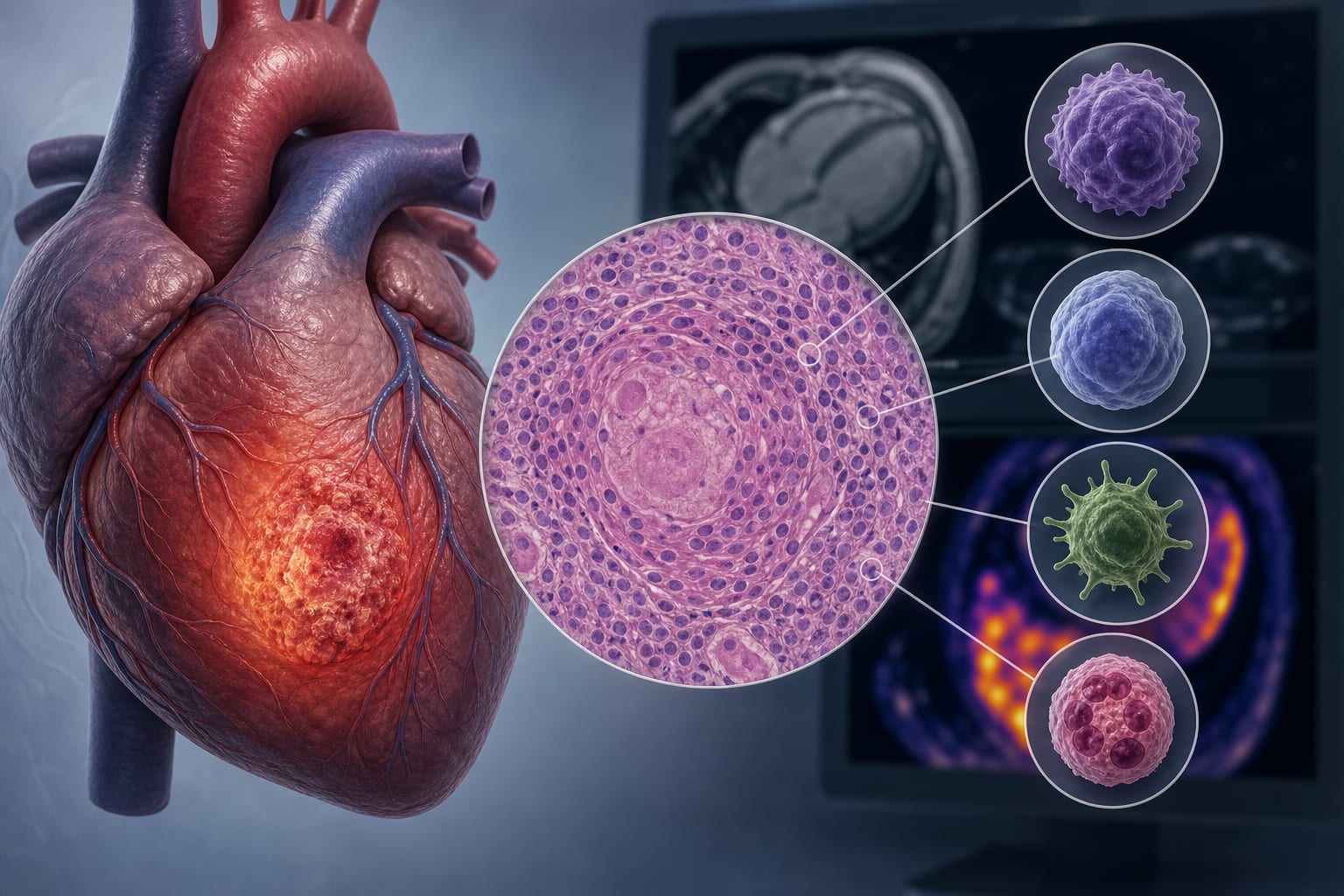
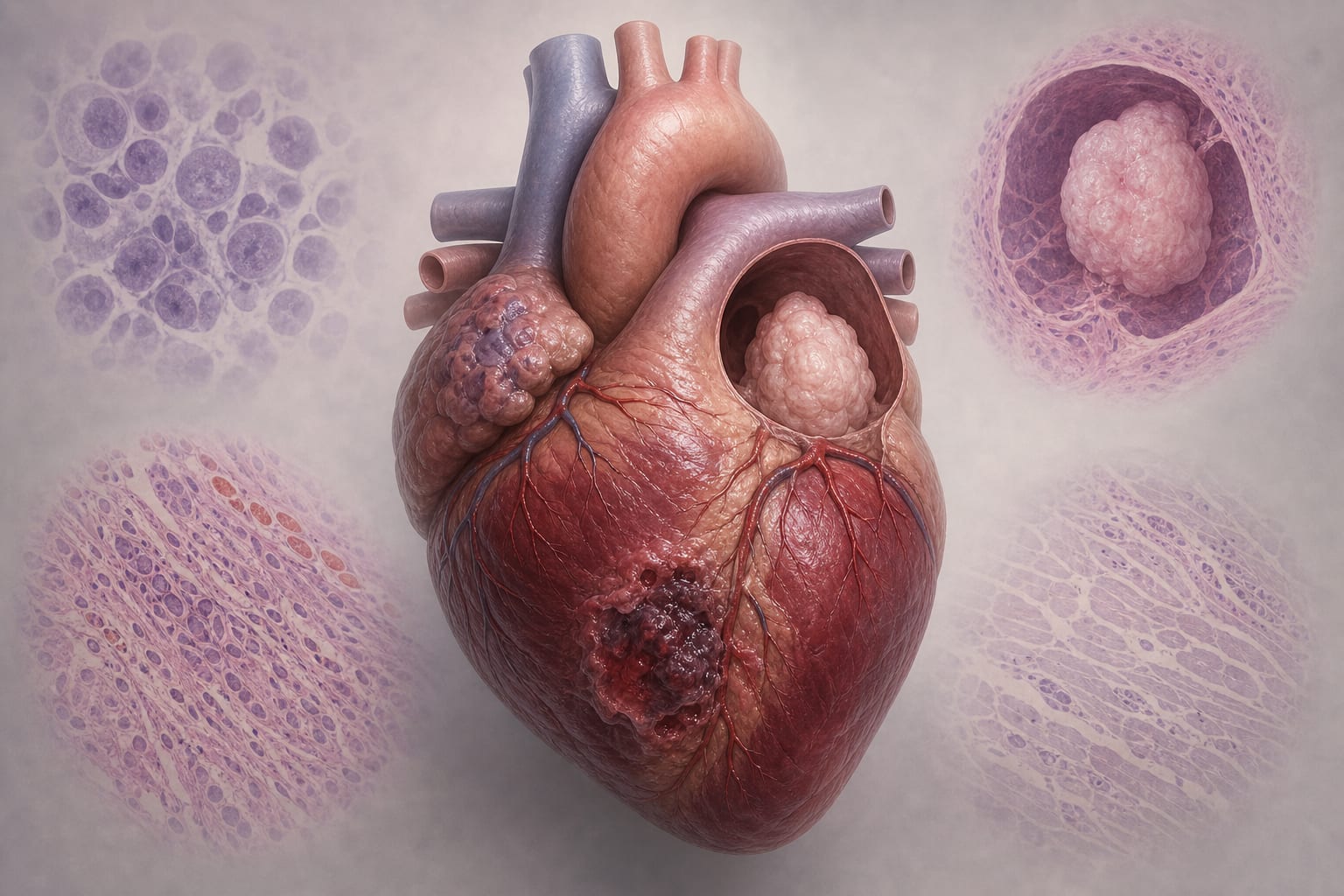
To determine the inflammatory fingerprint of patients with cardiac sarcoidosis (CS) and its association with disease activity, specifically focusing on immune cell populations.
Key Findings:
Distinct immune cell populations were identified in patients with aCS compared to cCS and healthy controls, suggesting potential biomarkers for disease activity.
Inflammatory signatures correlated with disease activity and could provide insights into disease progression, highlighting the need for further research.
CD4+ and CD8+ lymphocytes, as well as monocytes, were pivotal in the inflammatory response in cardiac sarcoidosis, indicating their role in disease management.
Interpretation:
The study highlights the potential of specific immune cell populations and inflammatory markers as diagnostic and prognostic tools in cardiac sarcoidosis.
Limitations:
Small sample size may limit the generalizability of findings, necessitating larger studies to confirm results.
The study focused on patients with biopsy-proven extracardiac sarcoidosis, which may not represent all cardiac sarcoidosis cases, potentially affecting the applicability of findings.
Conclusion:
Identifying immune cell populations linked to disease activity in cardiac sarcoidosis could enhance diagnostic accuracy and inform treatment strategies, ultimately improving patient outcomes.
by Tobias Harm, Stella E. Autenrieth, Katharina Mezger, Anne-Katrin Rohlfing, Helmut Dittman, Christian la Fougère, Konstantin Nikolaou, Patrick Krumm, Meinrad Gawaz, Karin Anne Lydia Müller, Simon Greulich