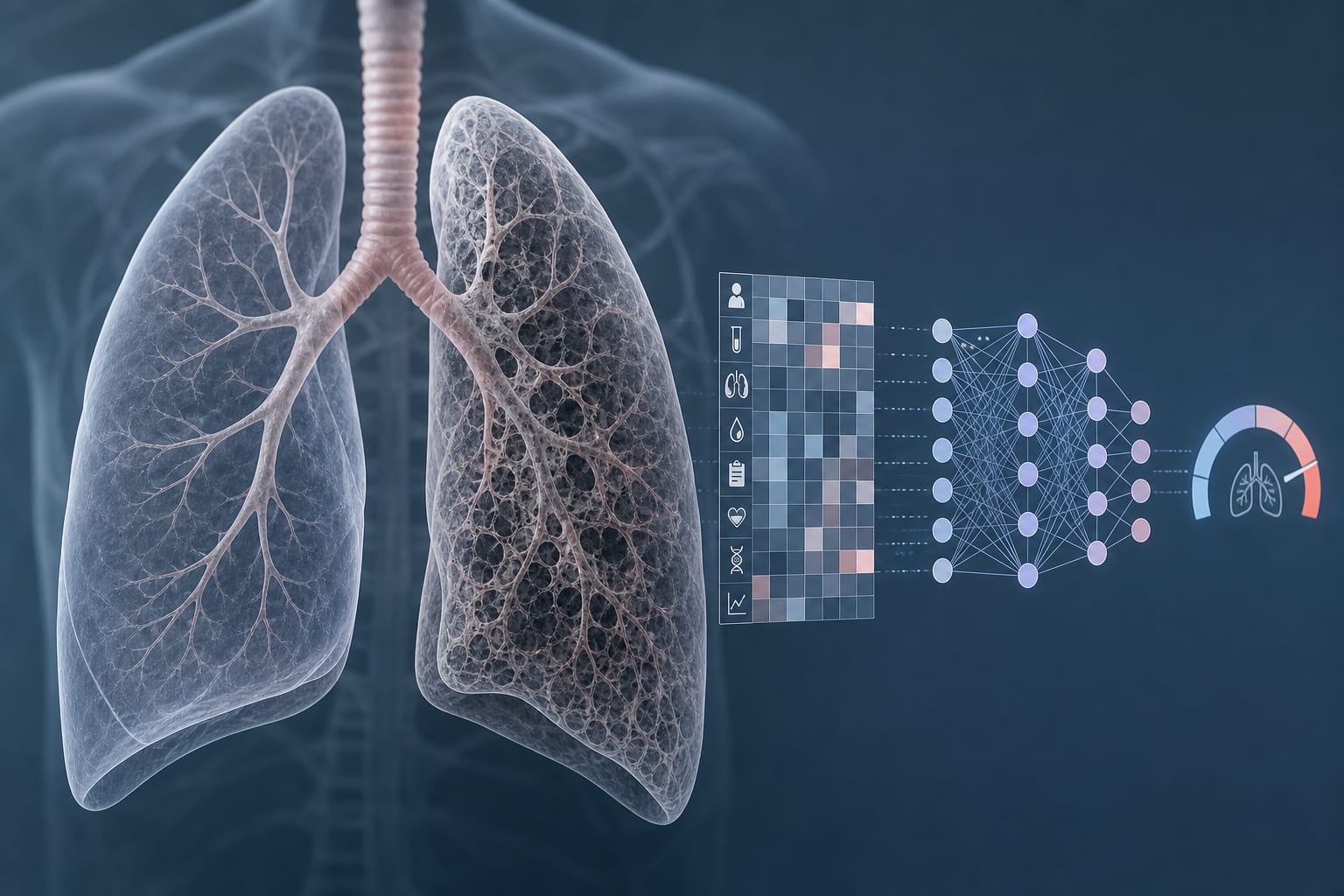
To address the specific challenges in monitoring lung health in individuals with inborn errors of immunity (IEIs) and to explore new strategies for effective management.
Key Findings:
Nearly 40% of individuals with IEIs develop pulmonary complications, primarily affecting the airways, with specific data from the U.S. Immunodeficiency Network.
Pulmonary complications account for significant morbidity and mortality, with up to 24% of deaths in CVID linked to pulmonary causes, as reported in mortality studies.
Conventional monitoring methods have limitations, including sensitivity and feasibility, particularly in children, necessitating the exploration of new techniques.
Interpretation:
The high burden of pulmonary complications in IEIs underscores the urgent need for improved monitoring strategies to enhance detection and management of lung health.
Limitations:
Conventional pulmonary function tests and imaging expose patients to radiation and may lack sensitivity, particularly in pediatric populations.
Emerging techniques such as multiple-breath washout and pulmonary MRI require further validation and standardization for widespread clinical use.
Conclusion:
Adopting new monitoring strategies could significantly improve the management of lung health in individuals with genetic immune disorders.