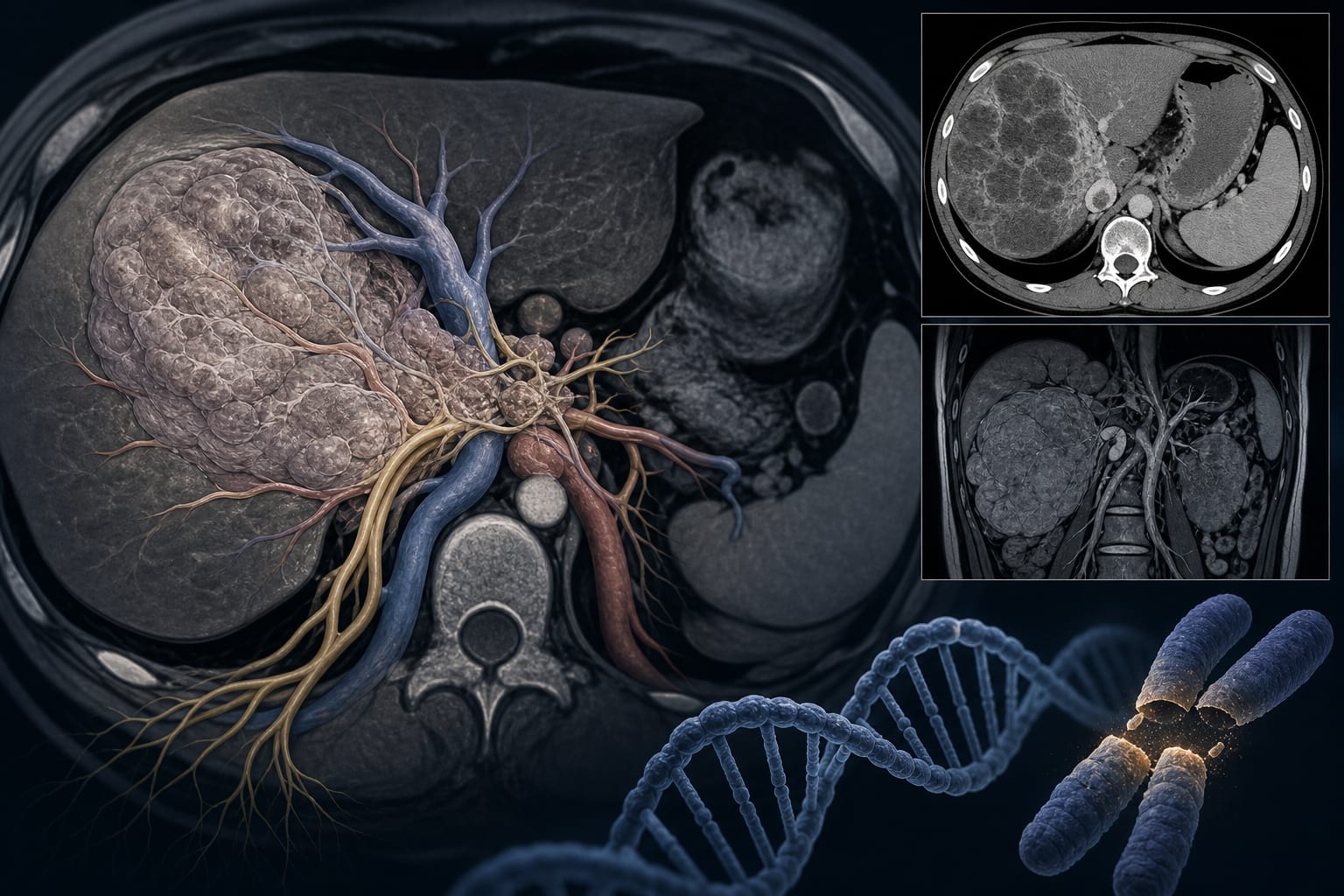
To synthesize how artificial intelligence (AI) is redefining cardio-oncology through innovative approaches for early risk stratification and personalized treatment, including specific methodologies and technologies.
Key Findings:
AI enhances understanding of molecular mechanisms linking cancer therapies to cardiovascular injury, with implications for clinical decision-making.
Integration of multi-omics data reveals shared pathways between cancer and cardiovascular diseases, informing targeted interventions.
AI models can predict patient-specific toxicity trajectories, improving early detection and risk management, ultimately enhancing patient outcomes.
Interpretation:
AI offers transformative potential in cardio-oncology by shifting from reactive monitoring to proactive cardioprotection, effectively addressing the limitations of traditional risk stratification methods.
Limitations:
Challenges in data heterogeneity and model interpretability, which can lead to inconsistent AI performance across diverse patient populations.
Equitable implementation of AI solutions remains a concern, particularly in under-resourced healthcare settings.
Conclusion:
AI is poised to advance precision medicine in cardio-oncology, ensuring effective cancer treatment while safeguarding cardiovascular health through personalized risk mitigation strategies, contingent on overcoming existing limitations.
Baptist Health Cancer Care is now serving patients in Doral with a comprehensive, community-based approach to oncology care designed to make treatment more convenient and accessible for both patients and referring physicians.